
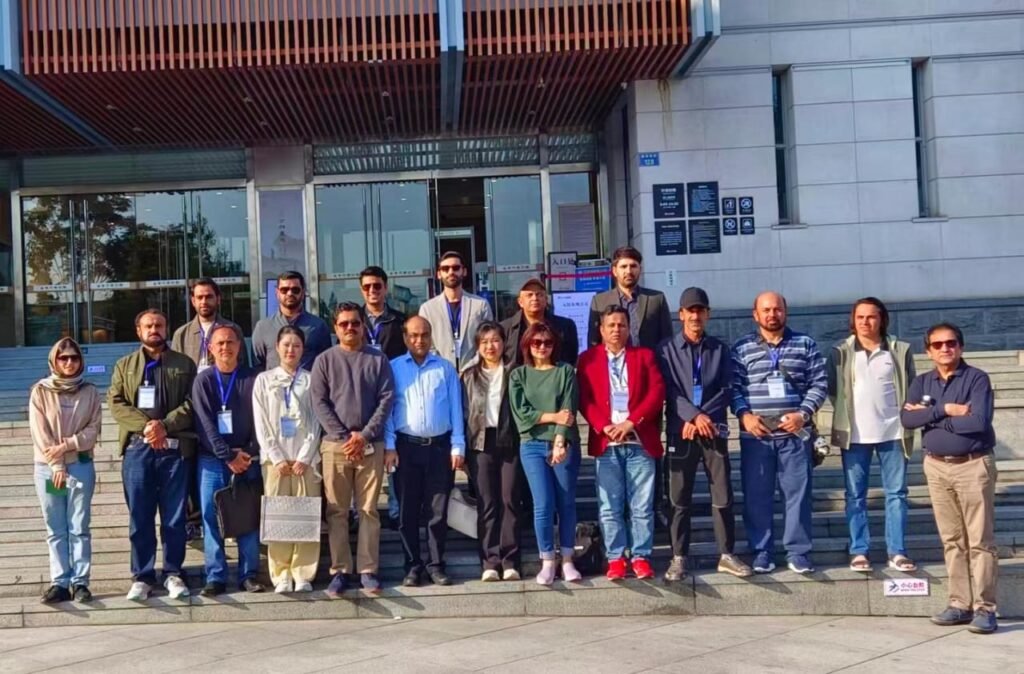
Pakistani journalists participating in a media training program at Zhejiang Normal University in Jinhua have been learning about a wide spectrum of China’s progress — from its economic transformation, cultural heritage and national development vision to the evolution of media practices, digital communication and local governance. The program also includes extensive field visits to key cities such as Hangzhou, Yiwu, Yantai, Jingdezhen and Jinhua itself, offering a firsthand understanding of how China’s growth models function in practice.
A major takeaway from these interactions is how cities in China successfully shape their global identities. In a world where tourism, investment and talent can move freely, cities are increasingly competing through their image. Just like consumer brands, they must communicate who they are and why people should choose them. A city brand is therefore a lived experience — not a slogan — and it is measured by how people feel when they walk through its streets, interact with its residents or discover its culture.
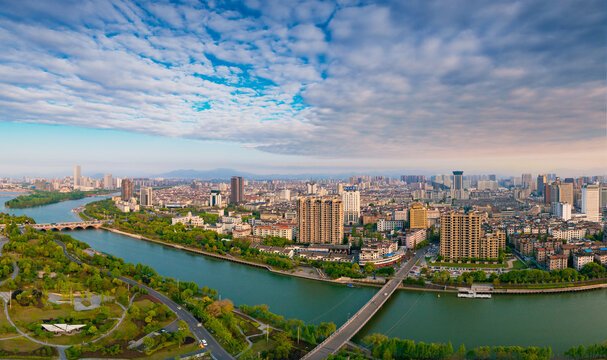
This idea is visible in Jinhua, the host city of the training. Known for its friendly atmosphere, green development and rich history, Jinhua blends the comfort of modern living with a deep cultural soul. Its clean neighborhoods, vibrant universities, efficient services and community-focused planning reflect a narrative of livability — something many cities worldwide aim to achieve. For the Pakistani journalists, Jinhua’s welcoming character is itself an impressive lesson in how a city can quietly build a strong and positive brand.
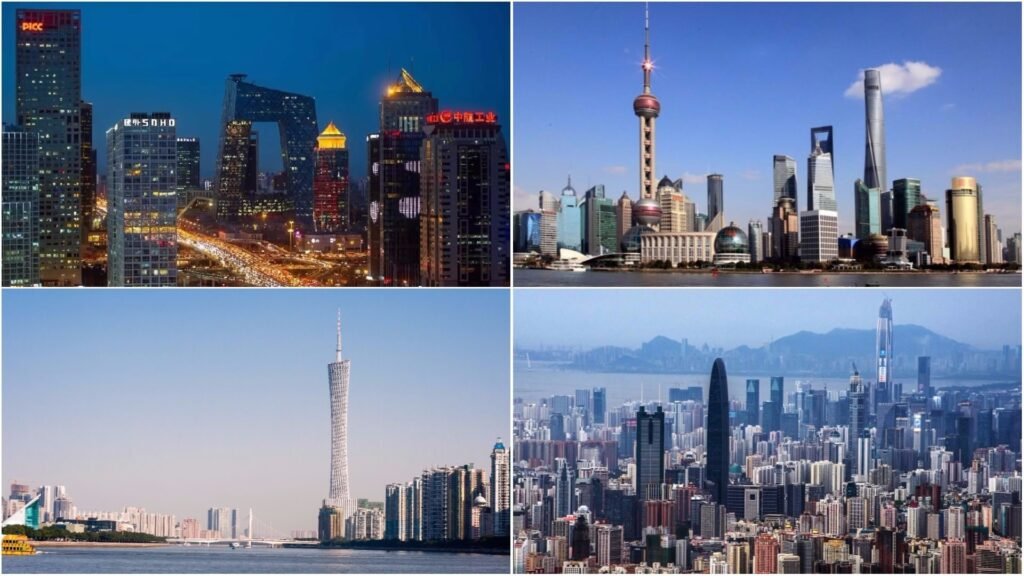
Throughout the program, participants have observed that storytelling is central to city branding. Urban spaces, culture, festivals, well-known personalities, historic memories and everyday lifestyle together shape the perception of a city. When these elements work together, visitors don’t just see the place — they connect with it.
Strong urban branding translates directly into competitiveness. Cities such as Hangzhou have positioned themselves as digital innovation hubs, Yiwu as a global trading center, and along with them, Jinhua is developing a reputation as an educational and cultural destination. Pakistani participants believe that cities in Pakistan — from Islamabad to Lahore and Gwadar — can adopt similar strategies to improve their international standing.
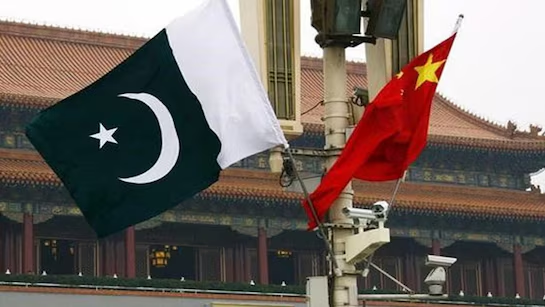
Strengthening Pakistan-China media cooperation is a central purpose of this training. Through workshops, newsroom exchanges and discussions on responsible journalism, both sides aim to build narratives based on accuracy, mutual respect and people-to-people understanding. Delegates recognize that journalists are now key opinion-shapers: the stories they publish can define how countries and cities are seen across borders.
As the training continues, one sentiment is commonly shared among the Pakistani journalists: China’s cities are proof that a place becomes successful not only by constructing roads and towers but by creating a feeling that stays with those who visit. And in a competitive world, it is the cities that make people feel welcomed, inspired and connected that truly lead the future.