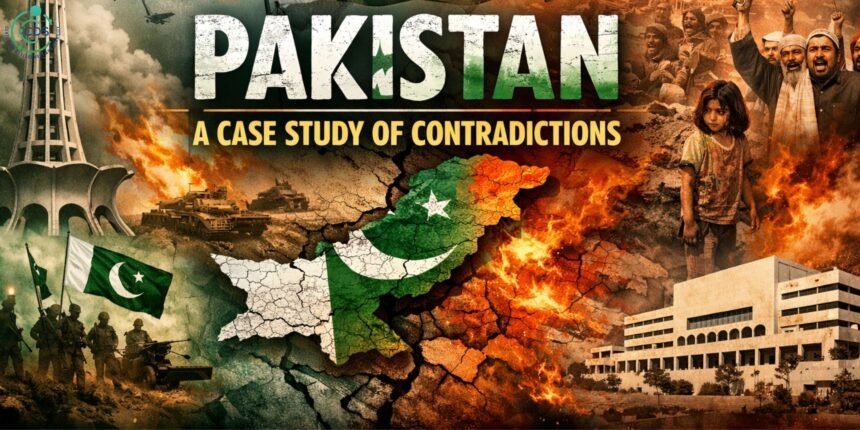

Pakistan presents a unique paradox in the Muslim world. Created in the name of Islam, it has struggled throughout its history to reconcile Islamic ideals with secular governance structures inherited from British colonial rule. This unresolved contradiction has shaped its political trajectory, social cohesion, and economic development.
- Zia Era and Its Aftereffects
- Pendulum Between Secularism and Conservatism
- Governance Failures and Economic Decline
- Reversal and Polarisation Under PTI
- Post-2021 Security and Economic Recovery
- Catalyst of Change
- Conclusion
- The author is a decorated war veteran who fought the historic Battle of Hilli in former East Pakistan and recovered the body of Maj Akram Shaheed (NH). A graduate of Command & Staff and War Courses with an MSc in War Studies, he served as Defence Attaché in Egypt and Sudan, later becoming Dean of the Corps of Military Attachés in Cairo. Formerly the Army’s spokesperson (1992) and Honorary Colonel of his battalion, he is now a renowned defence, security, and geopolitical analyst, author of five books, Patron-in-Chief of CDS Think Tank, Director of Meesakh Research Centre, and a regular participant in national TV talk shows.
- *The views and opinions expressed herein, and any references, are those of the author and do not necessarily reflect the editorial policy of the Centre for Development and Stability (CDS).
From the outset, Islam remained largely symbolic in state affairs. While the Constitution acknowledged Islamic principles, the administrative, legal, and economic systems continued to follow Western models. Consequently, a visible disconnect emerged between the religious and conservative masses and the liberal-secular elites who controlled the levers of power.
This dichotomy produced chronic instability. Policies lacked ideological coherence, governance suffered from inconsistency, and national priorities remained contested. Pakistan’s failure to realise its full potential—despite abundant human and natural resources—can be traced largely to this ideological dissonance.
Zia Era and Its Aftereffects
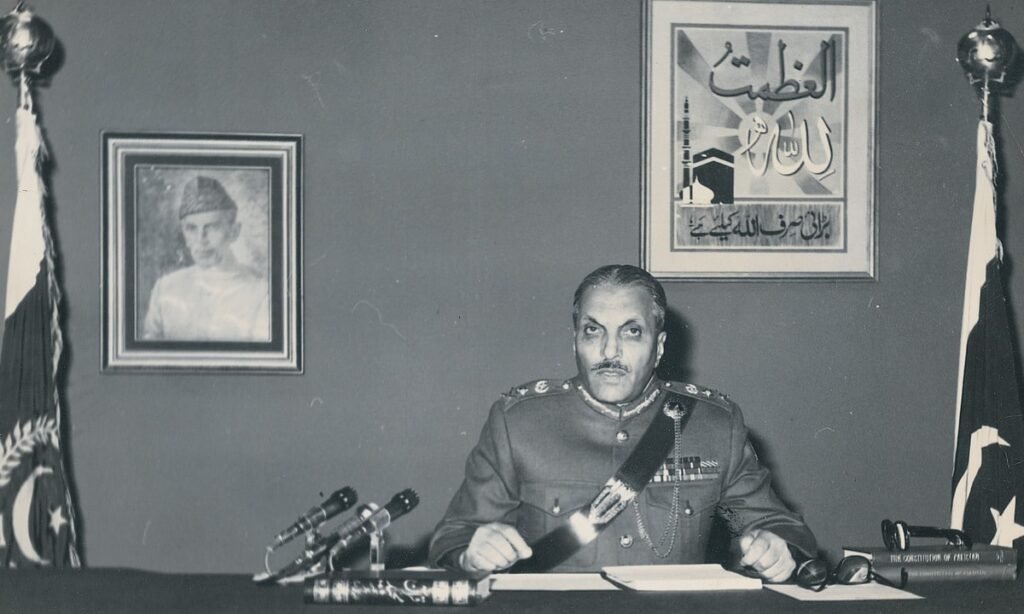
General Zia-ul-Haq (1977–1988) attempted to bridge this gap by Islamising Pakistan’s political, judicial, and economic systems. His vision centred on Shariah-based governance and an Islamic economic model. However, before these reforms could mature, he was killed in a mysterious plane crash in August 1988, abruptly ending the experiment.
The ten-year Afghan Jihad against the Soviet occupation (1979–1989), though geopolitically decisive in defeating the Soviet Union, produced severe unintended consequences for Pakistan. The proliferation of weapons, narcotics, and militant culture radicalised segments of society, particularly the economically marginalised. These aftershocks would haunt Pakistan for decades.
Pendulum Between Secularism and Conservatism
Benazir Bhutto, following her father ZA Bhutto’s ideological path, promoted secularism during her two tenures. Nawaz Sharif, though centre-right and culturally conservative, largely retained the existing governance framework without attempting systemic Islamisation.
A decisive shift occurred under General Pervez Musharraf (1999–2008). His doctrine of Enlightened Moderation sought to appease Western sensibilities and project a “soft image” of Pakistan. Following 9/11, he swiftly aligned Pakistan with the U.S.-led Global War on Terror.
While this alignment earned Musharraf international legitimacy, it alienated religious segments at home and plunged Pakistan into a prolonged internal conflict. Liberalisation of the media—rapidly expanding from a single state channel to dozens of private outlets—was heavily influenced by Western narratives. Cultural content promoting liberal lifestyles flourished, while religious conservatism was ridiculed and marginalised.
The result was counterproductive: instead of moderation, society became more polarised. Extremism intensified, intolerance deepened, and terrorism escalated into an existential threat.
Governance Failures and Economic Decline
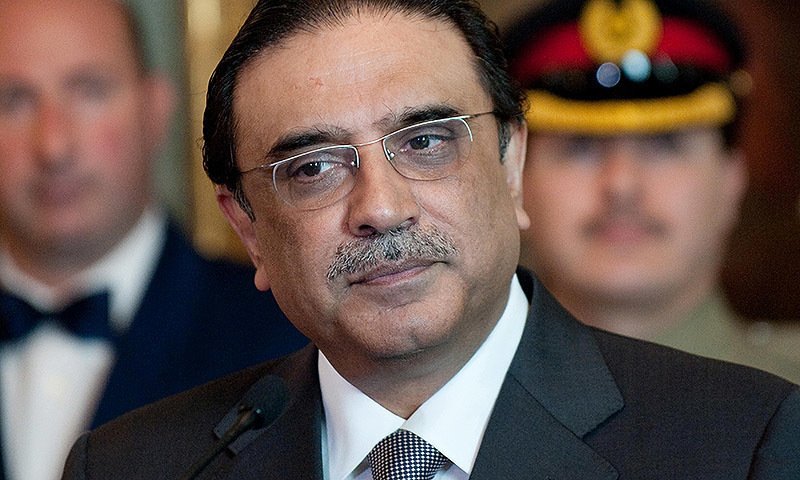
The five-year tenure of Asif Ali Zardari proved disastrous. Rampant corruption, poor governance, and lack of accountability pushed Pakistan into economic freefall. The country became heavily indebted, dependent on IMF bailouts, while energy shortages and urban–rural terrorism crippled daily life. The black rule tempted some among the military to make a third party experiment.
Nawaz Sharif’s subsequent government, despite political pressures from the emerging PTI, managed notable achievements. Energy shortages were addressed, terrorism in Karachi and FATA was significantly reduced, the National Action Plan was launched, and CPEC provided a strategic economic lifeline. Economic indicators improved, and currency stability was restored.
Reversal and Polarisation Under PTI
These gains were largely undone during PTI’s less-than-four-year rule. The economy slid toward default, institutions were politicised, and personality cults replaced institutional governance. Youth were mobilised through emotional rhetoric rather than disciplined civic engagement, and the illusion of a “State of Madinah” was exploited for political mobilisation.
The resettlement of thousands of TTP militants and their families reignited terrorism, further destabilising the security environment.
The military which brought PTI to power in 2018, got fed up within one year of its rule and withdrew it’s crutches on which the party stood. No sooner the military became apolitical, it hastened the fall of PTI Govt through a vote of no confidence by the opposition parties in April 2022.
Post-2021 Security and Economic Recovery
The withdrawal of Western forces from Afghanistan in August 2021 marked the failure of their objectives against Pakistan and Islam. While Islam continued to grow globally, Pakistan suffered from the residual effects of two decades of proxy warfare, intelligence operations, and hybrid conflict.
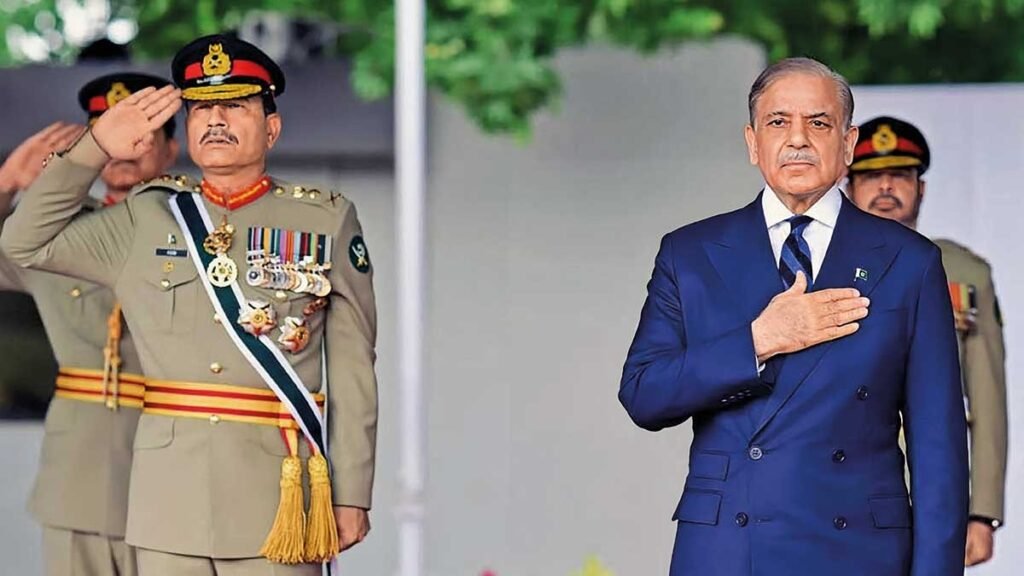
Nevertheless, Pakistan has begun a turnaround under Prime Minister Shehbaz Sharif, fully backed by Chief of Defence Staff and COAS Field Marshal Asim Munir. A robust counterterrorism campaign against Indian-sponsored and Afghan-abetted militancy has yielded tangible results. Economic stabilisation has followed through disciplined civil-military coordination.
Catalyst of Change
A major psychological and strategic turning point was the four-day war with India, in which Pakistan’s armed forces achieved a decisive victory. This success restored Pakistan’s international standing and exposed the fragility of India’s projected military superiority.
The victory also resonated across the Muslim world, particularly among GCC states, prompting renewed interest in alternative security frameworks involving Pakistan, Saudi Arabia, and China.
Conclusion
Pakistan’s history demonstrates that ideological confusion, poor governance, and externally imposed agendas have exacted a heavy price. Yet it also shows that clarity of purpose, institutional harmony, and national resolve can reverse decline.
Under its current leadership, Pakistan appears poised to move from a soft, reactive state toward a confident, resilient, and welfare-oriented Islamic state, aligned with the vision of Quaid-e-Azam Muhammad Ali Jinnah.