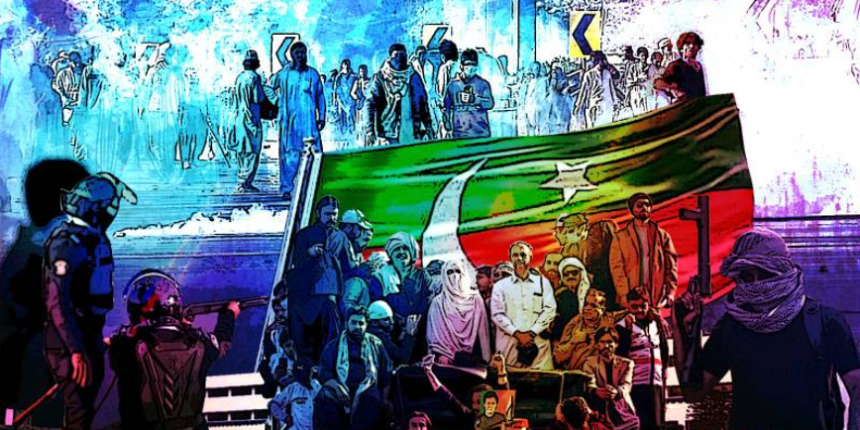

In line with its sustained posture of defiance, PTI appears intent on generating political instability and institutional confrontation.
- The author is a decorated war veteran who fought the historic Battle of Hilli in former East Pakistan and recovered the body of Maj Akram Shaheed (NH). A graduate of Command & Staff and War Courses with an MSc in War Studies, he served as Defence Attaché in Egypt and Sudan, later becoming Dean of the Corps of Military Attachés in Cairo. Formerly the Army’s spokesperson (1992) and Honorary Colonel of his battalion, he is now a renowned defence, security, and geopolitical analyst, author of five books, Patron-in-Chief of CDS Think Tank, Director of Meesakh Research Centre, and a regular participant in national TV talk shows.
- *The views and opinions expressed herein, and any references, are those of the author and do not necessarily reflect the editorial policy of the Centre for Development and Stability (CDS).
The party is once again mobilizing for a renewed phase of street agitation, despite the prevailing security and economic vulnerabilities facing the country.
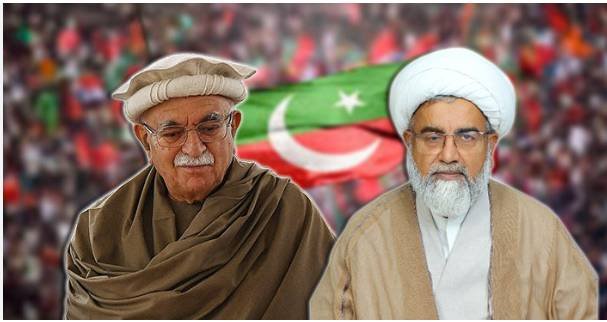
The Tahaffuz Movement, led by Mahmood Khan Achakzai and Raja Nasir Abbas, has announced a protest call for 8 February, ostensibly to secure the release of Imran Khan. Although neither leader formally belongs to PTI, both presently hold influential constitutional positions as opposition leaders in the National Assembly and the Senate respectively — lending political cover and visibility to the campaign.
To generate momentum, KP Chief Minister Sohail Afridi — projected by party loyalists as a mass mobilizer — undertook visits to Lahore, Karachi, Hyderabad , Mansehra and Abbottabad. The public response, however, remained limited, with attendance ranging from a few hundred to a few thousand at best, reflecting declining street appeal.
Parallel efforts by Imran Khan’s sisters to provoke public agitation through daily sit-ins outside Adiala Jail have similarly failed to generate meaningful traction.
More concerning is PTI’s aggressive digital ecosystem, particularly networks operating from Western jurisdictions, which continue to disseminate hostile, abusive and delegitimizing narratives against the state, constitutional institutions and especially the military leadership. Despite enhanced regulatory frameworks under PECA, enforcement remains inadequate in curbing coordinated disinformation and incitement.
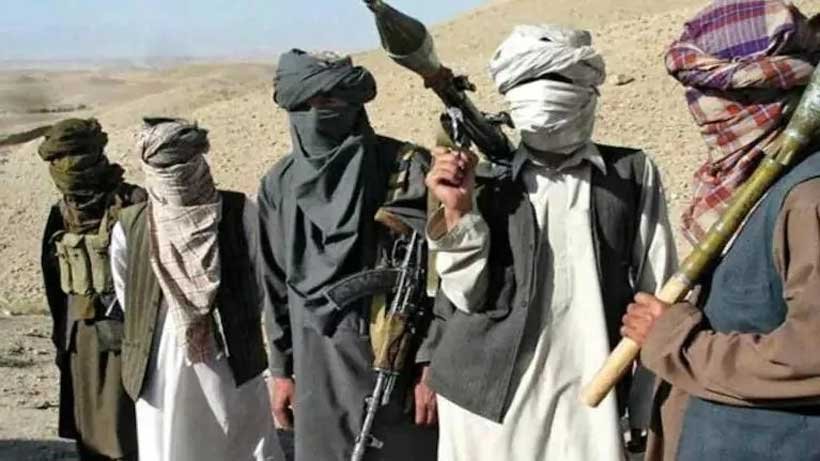
Equally troubling are PTI’s reported linkages with both the Tehrik-e-Taliban Pakistan (TTP) and the Afghan Taliban (TTA). Sohail Afridi has publicly demonstrated a conciliatory posture toward these militant entities.
Such permissiveness has effectively expanded operational space for the TTP, enabling sustained terrorist and suicide attacks across KP, resulting in recurring civilian and security force casualties.
His administration has also shown leniency toward illegal Afghan migrants reportedly involved in criminal and militant activity, while impeding their repatriation in contradiction to federal policy and national security imperatives.
Furthermore, resistance to targeted military operations against Fitna-al-Khwarij — coupled with demands for “proof” despite established intelligence assessments — reflects a troubling disconnect from ground realities.
Public expressions of concern by the KP cabinet over the ongoing operation in Tirah, Khyber Agency — now a hub for militant regrouping and narcotics production and trafficking — further risk undermining counterterrorism momentum and operational morale.
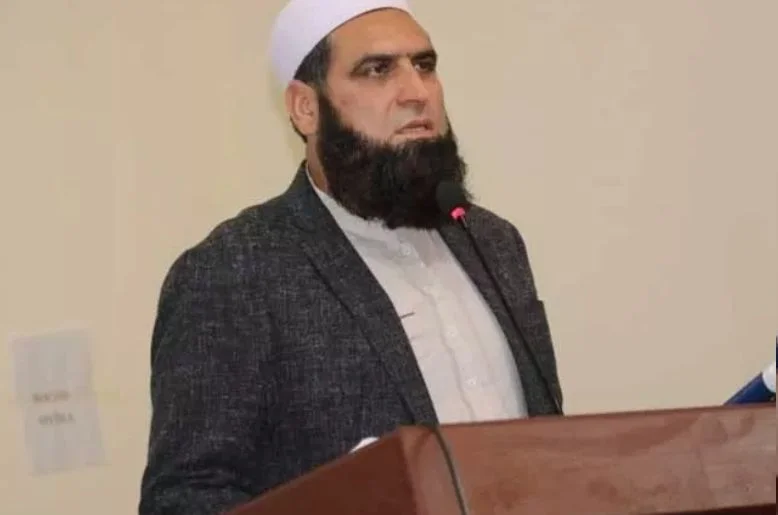
More recently, PTI has begun exploiting ethnic sensitivities by playing the Pashtun card. A controversial statement by Provincial Minister Dr. Amjad triggered strong political and social backlash, with critics accusing him of promoting linguistic division and weakening national cohesion.
Such rhetoric fuels polarization, social fragmentation and instability. Linguistic or ethnic bias is unacceptable, particularly when articulated by public office holders entrusted with national responsibility.
Pakistan’s multicultural and multilingual character demands restraint, responsibility and maturity from elected representatives. Reckless discourse damages social harmony, erodes institutional trust, and creates fault lines exploitable by hostile actors.
The state must therefore hold accountable all those who propagate linguistic prejudice or incite division. Firm and visible corrective measures are essential to deter recurrence. There can be no compromise on national integrity, unity and societal cohesion.