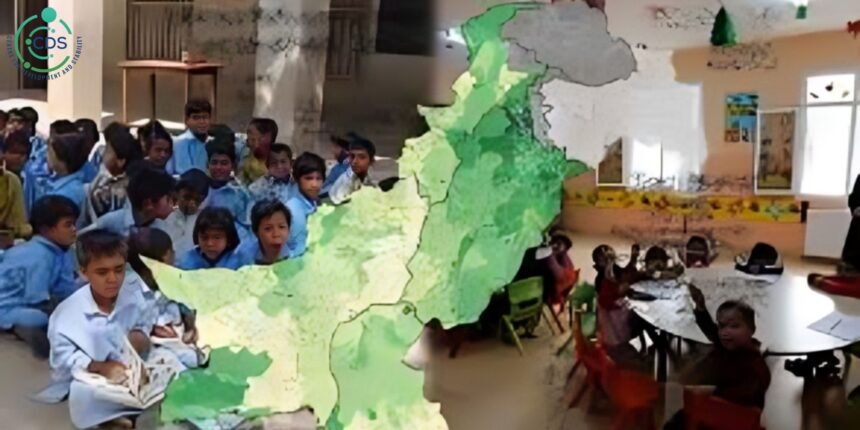

Education is the foundation of any nation’s progress. It builds minds, shapes societies, and determines the future of generations. Unfortunately, in Pakistan, the education system has long faced several challenges that have slowed down the country’s development. While the government and different stakeholders have made efforts to improve the situation, there is still a long way to go. As we look towards Vision 2026, it is important to discuss the current issues, problems, and the direction in which Pakistan’s education system must move to ensure a bright and knowledge-based future.
- Current State of Education in Pakistan
- Major Issues in Pakistan’s Education System
- 1. Lack of Uniform Education System
- 2. Poor Quality of Education
- 3. Insufficient Budget Allocation
- 4. Outdated Curriculum
- 5. Inequality in Access to Education
- 6. Corruption and Mismanagement
- 7. Lack of Technical and Vocational Education
- 8. Language Barrier
- Consequences of a Weak Education System
- Proposed Solutions for Improvement
- 1. Implement a Uniform Education System
- 2. Increase Education Budget
- 3. Focus on Teacher Training
- 4. Modernize the Curriculum
- 5. Promote Technical and Vocational Education
- 6. Strengthen Monitoring and Accountability
- 7. Encourage Female Education
- 8. Digital and Online Learning
- Vision 2026: A Roadmap for Educational Transformation
- Conclusion
- The author is affiliated with the State News Agency and voluntarily contributes her research to the think tank, CDS.
- *The views and opinions expressed herein, and any references, are those of the author and do not necessarily reflect the editorial policy of the Centre for Development and Stability (CDS).
Current State of Education in Pakistan
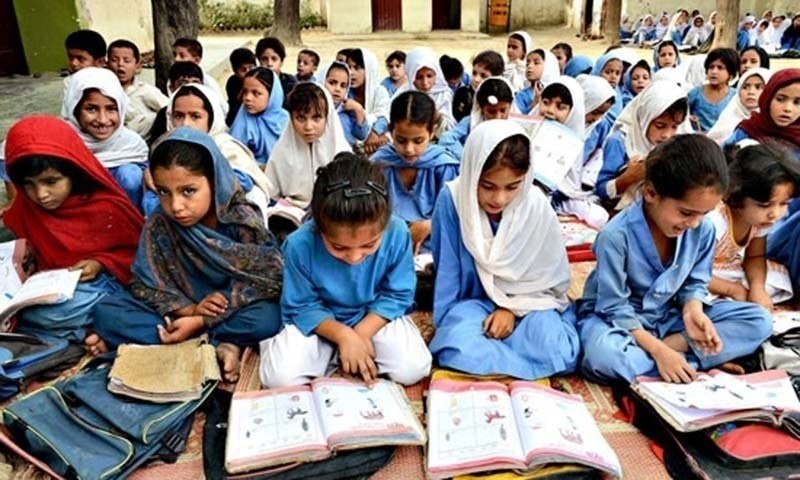
Pakistan’s education system is divided into public and private sectors, with further divisions in medium, quality, and curriculum. The system is generally divided into five levels:
- Primary (Grades 1-5)
- Middle (Grades 6-8)
- Secondary (Grades 9-10)
- Higher Secondary (Grades 11-12)
- University Education
While Pakistan has made progress in expanding access to education, the literacy rate still stands around 62%, which is lower compared to other developing countries. Moreover, there are large gaps between urban and rural areas, and between boys and girls. Millions of children remain out of school despite the constitutional right to free and compulsory education under Article 25-A.
Major Issues in Pakistan’s Education System
1. Lack of Uniform Education System
One of the biggest problems is the lack of a uniform education system. Pakistan has multiple systems running side by side, public schools, private schools, madrassas, and elite English-medium schools. Each has its own syllabus, teaching methods, and language of instruction. This creates class divisions and unequal opportunities among students. Those who study in elite institutions often get better jobs and exposure, while others struggle.
2. Poor Quality of Education
In many government schools, the quality of education is very low. Outdated teaching methods, lack of trained teachers, and weak assessment systems lead to poor learning outcomes. Students often memorize rather than understand concepts, which discourages creativity and critical thinking.
3. Insufficient Budget Allocation
Education has never been a top budgetary priority in Pakistan. The government usually spends around 1.5% to 2.5% of GDP on education, far below the UNESCO recommendation of 4-6%. This limited funding affects infrastructure, teacher training, and the availability of modern learning materials.
4. Outdated Curriculum
The syllabus in many schools is old and does not match the needs of the modern world. Subjects like science, technology, and entrepreneurship are not given the importance they deserve. There is also a lack of focus on moral education, social skills, and practical learning.
5. Inequality in Access to Education
Children in rural areas, especially girls, face difficulties in accessing education. Long distances, lack of schools, and social barriers prevent many from continuing their studies. Poverty also forces many children into child labour instead of schooling.
6. Corruption and Mismanagement
Mismanagement and corruption in the education sector are major hurdles. Many ghost schools exist only on paper, teachers are absent, and resources are not properly utilized. The result is a weak system that fails to serve its real purpose.
7. Lack of Technical and Vocational Education
Pakistan’s education system is too focused on theoretical knowledge and less on practical skills. As a result, many educated youth remain unemployed because they lack job-related skills. Technical and vocational education can play a key role in reducing unemployment, but it is still neglected.
8. Language Barrier
English is used as the medium of instruction in elite schools and higher education, while Urdu or regional languages are used in public schools. This language divide adds another layer of inequality and confusion among students.
Consequences of a Weak Education System
A poor education system leads to many long-term issues for the country. It limits economic growth, increases unemployment, and widens the gap between rich and poor.
Illiteracy also contributes to social problems such as extremism, intolerance, and gender discrimination. Without education, no nation can achieve sustainable development or compete in the global economy.
Proposed Solutions for Improvement
1. Implement a Uniform Education System
The government must establish a single national curriculum that ensures equal learning standards for all students, regardless of their background. The introduction of the Single National Curriculum (SNC) is a positive step, but it must be implemented effectively with modern content and teacher training.
2. Increase Education Budget
Pakistan must raise its education budget to at least 4% of GDP. This funding should be transparently used to build infrastructure, train teachers, provide scholarships, and promote digital education.
3. Focus on Teacher Training
Teachers are the backbone of any education system. Regular teacher training programs, fair salaries, and performance-based incentives should be introduced to ensure quality teaching.
4. Modernize the Curriculum
The syllabus should include STEM subjects (Science, Technology, Engineering, and Mathematics), along with critical thinking, communication skills, climate education, and entrepreneurship. Religious and moral education should also promote peace, tolerance, and respect for diversity.
5. Promote Technical and Vocational Education
Technical and vocational institutes should be expanded in every district. Students should be encouraged to learn skills such as IT, renewable energy, agriculture, health care, and trade to meet job market demands.
6. Strengthen Monitoring and Accountability
Corruption and absenteeism must be strictly controlled. Digital attendance systems, surprise inspections, and community involvement can help ensure transparency and accountability in schools.
7. Encourage Female Education
Special programs must be launched to promote girls’ education, especially in rural areas. Providing safe transport, free uniforms, and stipends can help increase female enrollment and reduce dropouts.
8. Digital and Online Learning
The COVID-19 pandemic showed the importance of digital learning. The government should invest in e-learning platforms, free online courses, and low-cost internet access for students in remote areas.
Vision 2026: A Roadmap for Educational Transformation
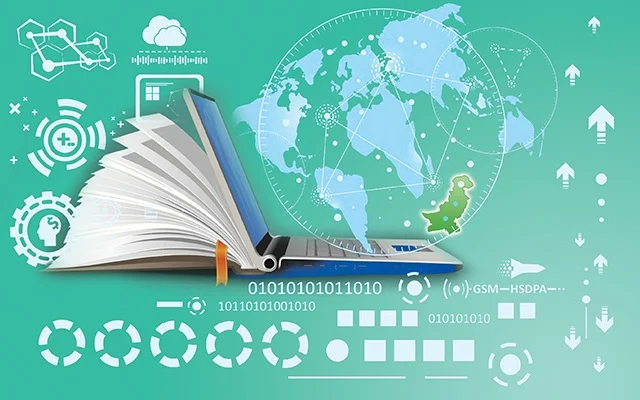
As Pakistan moves towards 2026, it must redefine its educational vision to meet the challenges of a modern, knowledge-based society. The Vision 2026 for Pakistan’s education system should aim for the following:
- 100% Enrollment and Literacy: Every child, regardless of gender or location, should have access to quality education.
- Digital Pakistan Classrooms: Every public school is equipped with smart boards, internet access, and e-learning tools.
- Empowered Teachers: Every teacher should be well-trained, respected, and technologically skilled.
- Skill-Based Learning: Education must prepare students not only for exams but for life and employment.
- Research and Innovation Culture: Universities should focus on research, creativity, and problem-solving.
- Equal Opportunities for All: Education must bridge, not widen, the social and economic gap.
- Peace, Ethics, and Citizenship: Students should be taught tolerance, civic responsibility, and patriotism.
Conclusion
Education is not just a right, it is the backbone of national progress. Pakistan’s challenges in education are serious but not impossible to overcome. With political will, proper planning, and sincere execution, Pakistan can turn its weaknesses into strengths. The Vision 2026 must focus on building a knowledge-based, skill-oriented, and inclusive education system that produces not only degree holders but also responsible and capable citizens.
Only through education can Pakistan truly achieve its dreams of progress, equality, and prosperity.