
Afghanistan’s Deputy Prime Minister for Economic Affairs, Mullah Abdul Ghani Baradar, has ordered Afghan traders to end all trade with Pakistan within three months and shift their commercial routes to other countries. Accusing Pakistan of using border closures as economic pressure especially during Afghanistan’s fruit harvest seasons. Baradar alleged that Pakistan opened borders only when it benefitted Pakistani exports. He warned that traders continuing to use Pakistani routes would receive no state cooperation, including in pharmaceuticals and essential goods.
- Pakistan’s Response: A Strategic Opportunity, Not a Loss
- Border Closures and a Collapse in Commercial Confidence
- Pakistan’s Potential Losses.. But Manageable
- Why Afghan Traders Still Prefer Pakistan
- What Afghanistan Stands to Lose: Severe Economic Blowback
- Pakistan’s Strategic Shift: Bypassing Afghanistan Completely
- Conclusion
The declaration projected political defiance, but its economic implications are overwhelmingly detrimental for Afghanistan itself.
Pakistan’s Response: A Strategic Opportunity, Not a Loss
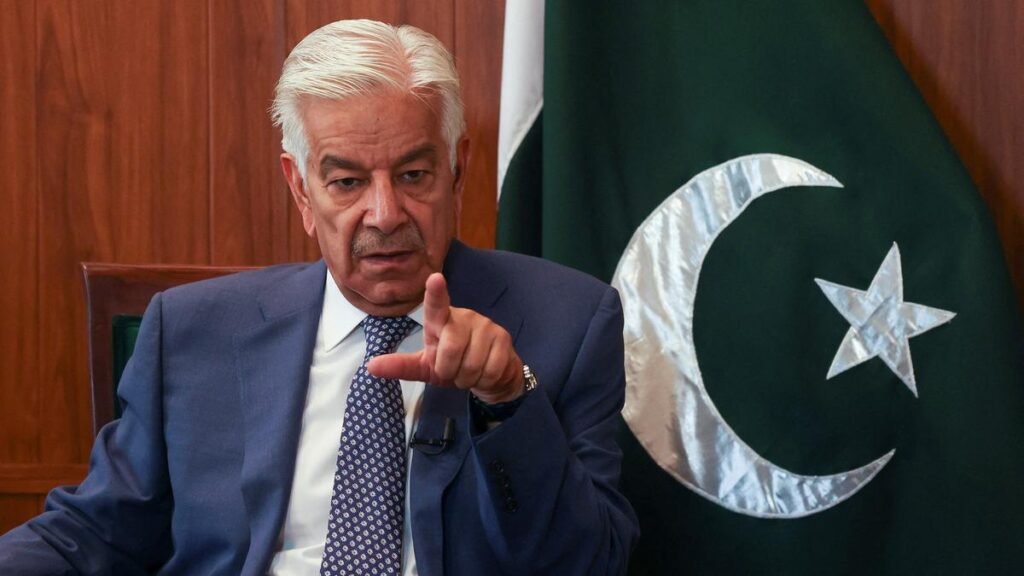
Islamabad responded calmly. Defence Minister Khawaja Asif argued that Afghanistan’s decision may actually help Pakistan by reducing the historically abused Afghan Transit Trade (ATT). For decades, goods imported under ATT through Karachi ended up smuggled into Pakistani markets, harming domestic industries and draining revenue.
Lower Afghan transit volumes, Pakistani officials note, will:
- Strengthen border security
- Reduce smuggling channels
- Decrease the risk of militants entering disguised as traders
Contrary to Kabul’s assumptions, Pakistan does not view the loss of Afghan transit trade as a significant economic setback.
Border Closures and a Collapse in Commercial Confidence
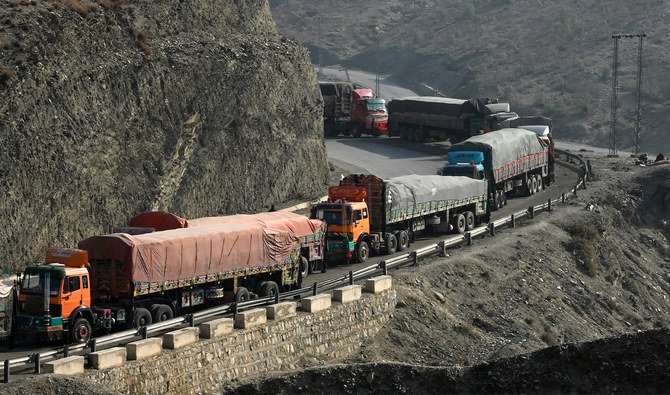
Relations deteriorated sharply after deadly clashes and retaliatory airstrikes along the 2,600-km frontier prompted Pakistan to close major crossings in October. The closure left more than 8,000 trucks stranded.
Pakistani exporters report losses of around $45 million.
Afghan-bound imports stuck at the border are valued at roughly $59–60 million.
Afghan traders themselves report losses exceeding $70 million, mostly due to spoilage of perishable produce.
Industries in Punjab and Sindh supplying items for Afghan markets have halted production, while KP’s already fragile economy has taken another hit. Afghan procurement has increasingly shifted to Iran, Turkey, Central Asia and India, but these alternatives remain slower and costlier.
Pakistan’s Potential Losses.. But Manageable
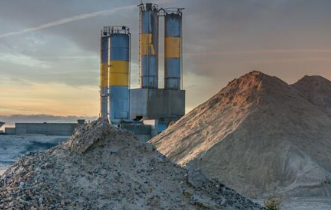
Pakistan’s pharmaceutical manufacturers, construction material suppliers and FMCG exporters will feel the impact of reduced Afghan demand. Fresh-produce exporters, who rely on Afghan routes to reach Central Asia, anticipate disruptions: nearly 500–1,000 containers of kinnow, potatoes and fruits move daily during peak season.
Yet Pakistan’s diverse export destinations and emerging new trade corridors provide cushion. Overall, the impact remains manageable and temporary.
Why Afghan Traders Still Prefer Pakistan
Despite political rhetoric, Afghan businessmen consistently point out that Pakistan remains their most efficient commercial route. Reasons are structural:
- Karachi is far closer than any Iranian or Central Asian port
- Pakistan’s road network supports cold-chain logistics
- Transit time is shorter
- Tariffs and handling charges are significantly lower
- Afghan exporters rely heavily on Pakistani markets for fruits, coal, pine nuts and vegetables
PAJCCI leaders, including Khan Jan Alokozai, openly acknowledge that alternative routes raise operational costs substantially. Sanctions-related delays in Iranian ports and limited logistical infrastructure in Central Asia further complicate diversions.
For landlocked Afghanistan, Pakistan’s corridor is not simply cheaper but it is indispensable.
What Afghanistan Stands to Lose: Severe Economic Blowback
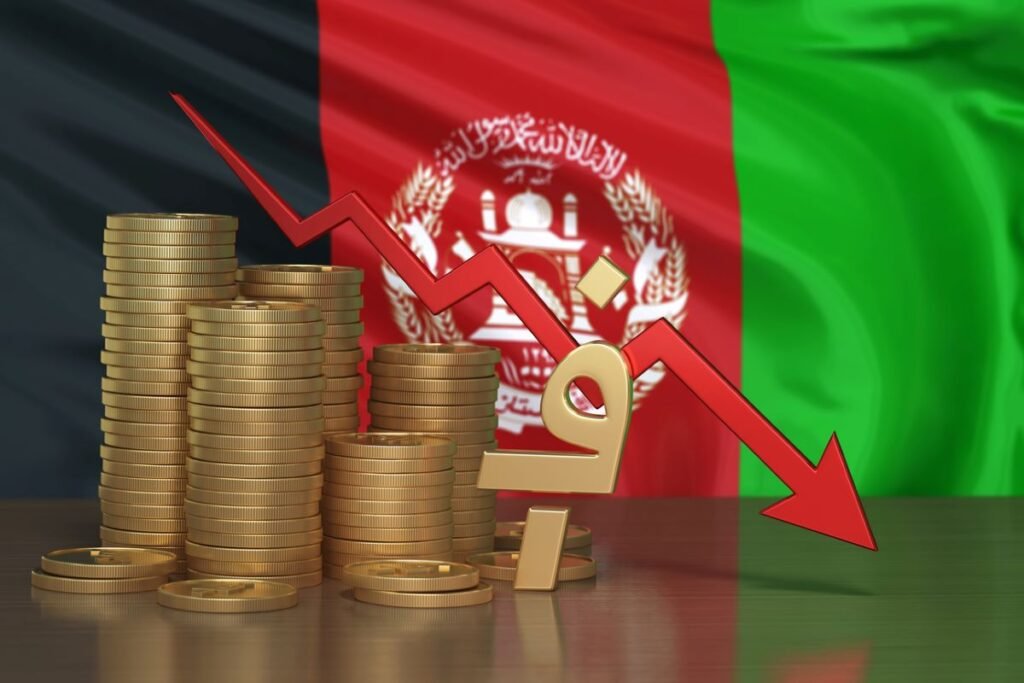
The economic consequences for Afghanistan are far more severe than for Pakistan:
- Imports of food, medicines, fuel and construction materials will become significantly costlier
- Logistical costs may increase by 30–60%
- Shortages of essential pharmaceuticals are expected
- Transportation delays will worsen
- Prices of everyday goods will spike across Afghan provinces
Border communities, especially the ten million Pashtuns dependent on cross-border movement, will suffer deeply
With Afghanistan’s economy already collapsing and over 24 million people projected to require humanitarian aid by 2026, this move risks sparking inflation, unemployment and social unrest.
Pakistan’s Strategic Shift: Bypassing Afghanistan Completely
A vital factor undermining Kabul’s leverage is Pakistan’s reduced dependence on Afghan territory. In 2023, Pakistan’s National Logistics Corporation successfully transported goods to Kyrgyzstan and Kazakhstan via China under the UN-mandated TIR system.
The Pakistan → Khunjerab → Xinjiang → Kyrgyzstan route now provides direct access to Central Asia without entering Afghanistan.
This corridor is expanding fast, reducing Pakistan’s reliance on Afghan soil for regional connectivity and weakening Afghanistan’s traditional geographic advantage.
Conclusion
Afghanistan Risks Economic Isolation While Pakistan Diversifies.
Afghanistan’s decision to sever trade ties appears to be an attempt to showcase sovereignty, but economically it is ill-timed, unprepared and strategically flawed.
Pakistan will take sectoral hits, but it remains insulated due to diversified markets, alternative corridors, and stronger border controls. Afghanistan, on the other hand, faces rising import costs, supply shortages and economic instability that will directly hurt its population.
Ultimately, Afghanistan cannot afford to abandon the Pakistani corridor without inflicting deep damage on its own fragile economy. Pakistan, meanwhile, is already adapting and building new pathways that lessen any dependency on Afghanistan.
Unless Kabul recalibrates its policy, this decision will isolate Afghanistan further while Pakistan continues moving toward diversified, secure and sustainable regional trade options.