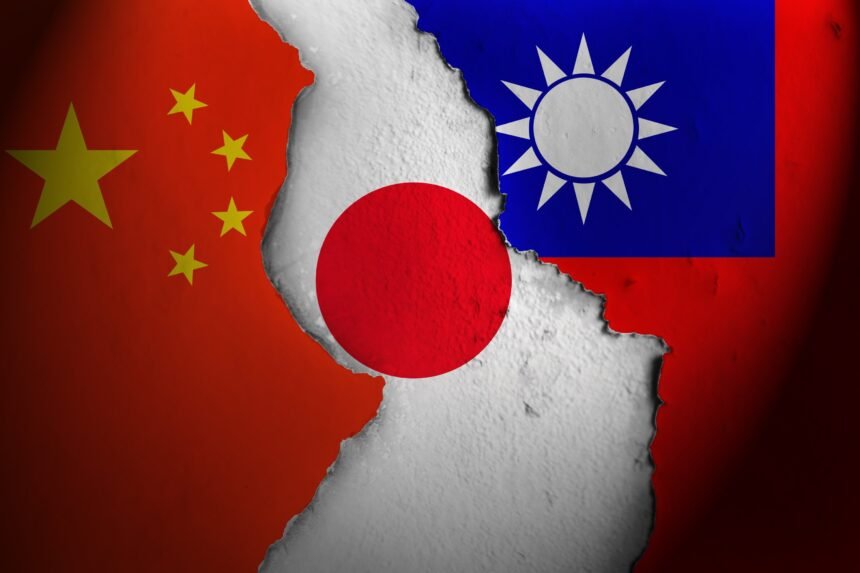

In recent weeks, a serious diplomatic conflict has erupted between the People’s Republic of China and Japan. The tension began when Japan’s new Prime Minister, Sanae Takaichi, made irresponsible remarks about Taiwan, remarks that Beijing views as not only offensive but dangerously destabilizing.
- Historical and Legal Foundations of China’s Claim
- Japan’s Irresponsible Words and Dangerous Intentions
- Japan as a Potential Detonator of Regional Conflict
- Historical Lessons Japan Must Not Forget
- China’s Diplomatic and Strategic Response
- Japan’s Alliance Politics: A New Cold War Mentality
- Peace Requires Reflection, Not Provocation
- A Warning to the Region
- Conclusion: China’s Unshakable Resolve
- The author, Anum Malik, is affiliated with the State News Agency and voluntarily contributes her research to the think tank, CDS.
- *The views and opinions expressed herein, and any references, are those of the author and do not necessarily reflect the editorial policy of the Centre for Development and Stability (CDS).
From the Chinese perspective, these words cross a red line. They challenge China’s sovereignty, violate international law, and shake the very foundation of peace in East Asia. China’s response has been swift, firm, and principled, reminding the world that Taiwan is an inseparable part of China, and that any attempt to interfere in China’s internal affairs will not be tolerated.
Historical and Legal Foundations of China’s Claim
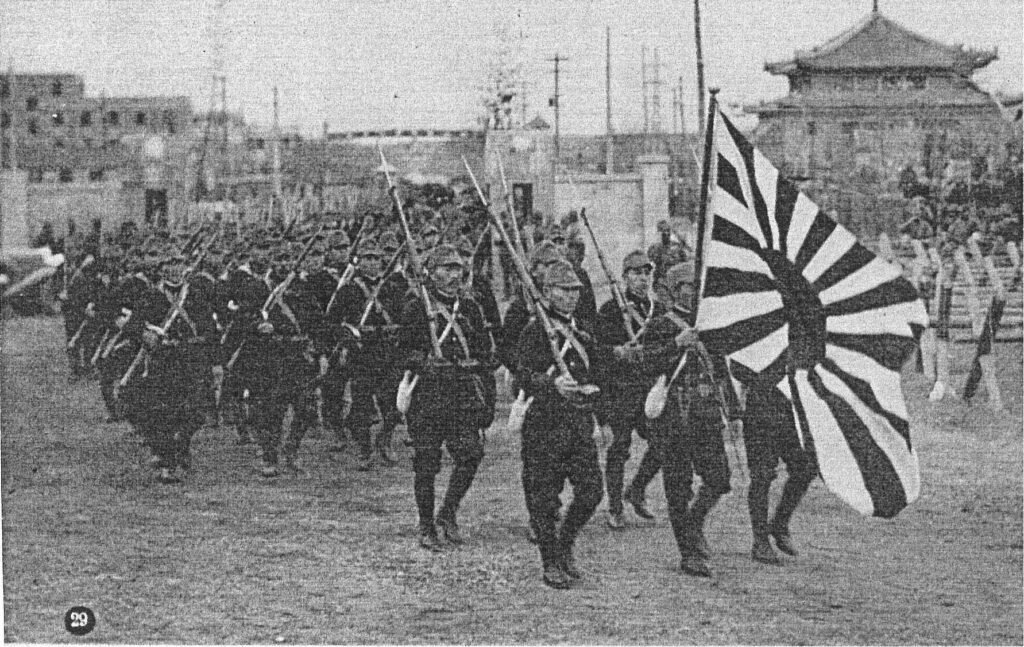
After World War II, the world recognized the need to correct Japan’s imperial aggression. The Cairo Declaration (1943) and Potsdam Proclamation (1945) clearly stated that territories taken by Japan through war, including Taiwan, must be returned to China. When Japan surrendered in 1945, it formally accepted these terms, making the return of Taiwan to China a settled fact under international law.
Later, the 1972 Sino-Japanese Joint Communiqué and the 1978 Treaty of Peace and Friendship reaffirmed that Japan recognized the Government of the People’s Republic of China as the sole legal government of China, and that Taiwan is an integral part of Chinese territory. These agreements are not symbolic; they are binding commitments that define Japan’s post-war diplomacy.
Therefore, when Japanese leaders now make reckless statements about defending Taiwan, China sees this not as a political misunderstanding but a direct violation of historical truth and legal obligations.
Japan’s Irresponsible Words and Dangerous Intentions
Prime Minister Takaichi recently claimed that if a conflict occurs around Taiwan, Japan could interpret it as a survival-threatening situation, allowing the Japanese military to join operations with the United States.
To China, these remarks are deeply alarming for three reasons:
1. They directly interfere in China’s internal affairs.
Taiwan is a part of China, and no foreign power has the right to intervene, militarily or politically.
2. They break Japan’s own promises.
By considering military involvement, Japan is discarding decades of diplomatic agreements that committed it to a peaceful and cooperative relationship with China.
3. They echo dangerous militaristic dreams.
Japan was a defeated aggressor in World War II. Its actions brought immense suffering to Asia, particularly to the Chinese people. Any attempt to revive militaristic policies, even in rhetoric, is viewed by Beijing as a betrayal of post-war peace.
Foreign Minister Wang Yi strongly condemned Takaichi’s remarks, warning that they “severely violate China’s sovereignty and territorial integrity, and blatantly contravene Japan’s commitments.” He noted that this year marks the 80th anniversary of China’s victory over Japanese aggression, yet Japan’s current leader seems to have forgotten the lessons of history.
Japan as a Potential Detonator of Regional Conflict
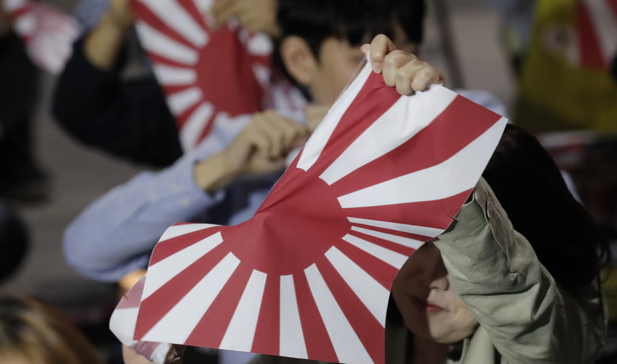
China’s diplomats and analysts now describe Japan as a detonator, a country whose actions could ignite a larger regional conflict at any moment.
Japan’s new military posture, combined with its close alignment with the United States, positions it as the first responder to any Taiwan-related event. In practical terms, this means Japan could drag the U.S. into confrontation more easily than if the U.S. acted alone. Such a situation could destabilize the entire Asia-Pacific region within hours.
With Japan dreaming again of militarism, Taiwan’s authorities itching to declare independence, and the Philippines ready to cooperate with anti-China moves, the stage for provocation is being set. The worst-case scenario would be the U.S. Seventh Fleet entering the Taiwan Strait, transforming a political dispute into a devastating regional war.
China views this as a strategic trap, one designed to contain China’s rise by provoking it into confrontation. Yet, Beijing has been clear that while China will not initiate aggression, it will never tolerate violations of its sovereignty.
Thus, Japan’s current actions are not seen as merely unwise diplomacy, they are regarded as a reckless attempt to light the fuse of conflict that threatens not only China but the peace of all Asia.
Historical Lessons Japan Must Not Forget
China’s strong reaction stems from both principle and memory. The wounds inflicted by Japan during its occupation of Chinese territory including the Nanjing Massacre and years of exploitation and brutality remain fresh in national memory.
For China, the 80th anniversary of the victory over Japanese aggression is not just a historical milestone. It is a warning and a reminder that militarism and expansionism lead only to destruction.
Japan, as a defeated power, was supposed to engage in profound reflection, rebuild peacefully, and contribute to Asia’s stability. Instead, Beijing sees today’s Japanese leadership trying to rewrite that history, using Taiwan as a political tool to justify rearmament and the return of militarist ambitions.
Wang Yi emphasized that such behavior directly challenges the outcomes of the victory in World War II and the post-war international order. It is a serious warning; China believes that Japan is violating the very peace that its defeat was meant to preserve.
China’s Diplomatic and Strategic Response
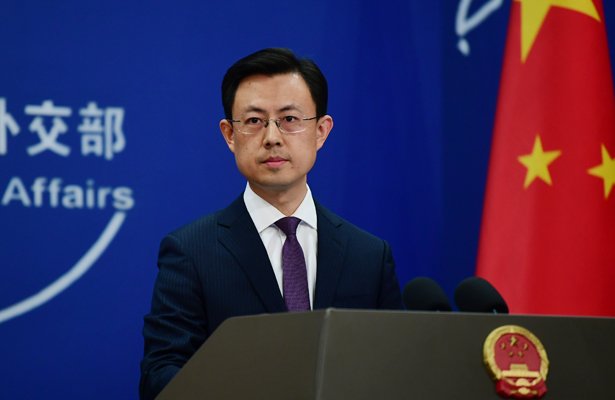
Beijing has responded firmly but responsibly. China’s foreign ministry called for Japan’s ambassador, issued formal protests, and reminded Tokyo that any interference in Taiwan affairs would be met with serious consequences.
At the same time, China’s military conducted routine patrols and exercises near the Taiwan Strait, demonstrating readiness while emphasizing restraint. These moves are not meant to provoke but to deter, to show that China will defend its territorial integrity against any outside interference.
China also addressed the issue at the United Nations, calling for respect for the UN Charter’s principles of sovereignty and non-interference. Beijing underlined that peace can only be maintained if all nations respect their commitments and refrain from unilateral actions that could lead to war.
Japan’s Alliance Politics: A New Cold War Mentality
From Beijing’s perspective, Japan’s behavior is not independent. It is closely tied to Washington’s broader strategy of containing China. The U.S. has long pushed its allies, Japan, the Philippines, and Australia, to take a harder stance against Beijing, particularly on Taiwan and the South China Sea.
China argues that this policy revives a Cold War mentality, turning Asia into an arena of confrontation rather than cooperation. Japan’s willingness to act as the first mover or detonator in such a strategy makes it, in China’s eyes, a tool of foreign interests rather than a genuine regional partner.
By adopting Washington’s narrative and abandoning its own post-war pacifism, Japan is jeopardizing decades of stability in the region. It is risking not only economic consequences, given its deep trade ties with China, but also the trust of neighboring countries who remember its wartime history.
Peace Requires Reflection, Not Provocation
China consistently emphasizes that it seeks peace, development, and cooperation. It does not wish for confrontation. But peace, as Chinese officials often remind, is not possible without respect.
If Japan truly wants to play a constructive role in the region, it must return to the spirit of the 1978 Treaty of Peace and Friendship, reaffirm the One-China principle, and stop aligning with militaristic and separatist forces.
Provocations over Taiwan will not bring security to Japan. Instead, they will create instability that could harm all nations of the Asia-Pacific. Beijing argues that dialogue, mutual respect, and recognition of historical facts are the only path toward lasting peace.
A Warning to the Region
China’s concern goes beyond Japan. The Philippines’ growing military cooperation with the United States, and the rising pro-independence rhetoric in Taiwan, are all viewed in Beijing as dangerous developments encouraged by external manipulation.
From the Chinese perspective, Japan’s re-militarization and the U.S. strategy of encirclement are setting up Asia for another era of confrontation, something no nation in the region wants or can afford.
China believes it is the responsibility of all peace-loving nations to prevent the resurgence of Japanese militarism and to oppose any attempt to use Taiwan as a pawn in geopolitical games. History has shown that whenever Japan follows the path of military expansion, disaster follows, for itself and its neighbors.
Conclusion: China’s Unshakable Resolve
The recent diplomatic storm between China and Japan is not an isolated event. It reflects a deeper struggle over history, sovereignty, and the direction of Asia’s future.
China’s message is clear and firm:
- Taiwan is part of China, forever.
- Japan must respect the commitments it made after its defeat in World War II.
- No country has the right to challenge China’s territorial integrity.
- Peace requires restraint, not provocation.
If Japan continues to act as the detonator encouraging confrontation, aligning militarily with outside powers, and fueling separatist ambitions in Taiwan, it risks repeating the mistakes of its past and plunging Asia into turmoil once again.
China, by contrast, calls for dialogue over division, peace over provocation, and cooperation over confrontation. But Beijing also makes one thing unmistakably clear: if pushed, China will defend its sovereignty, dignity, and unity with absolute determination.
Peace is a choice and China stands ready to uphold it. But it will never accept threats or interference over what belongs to it by history, law, and the will of its people.