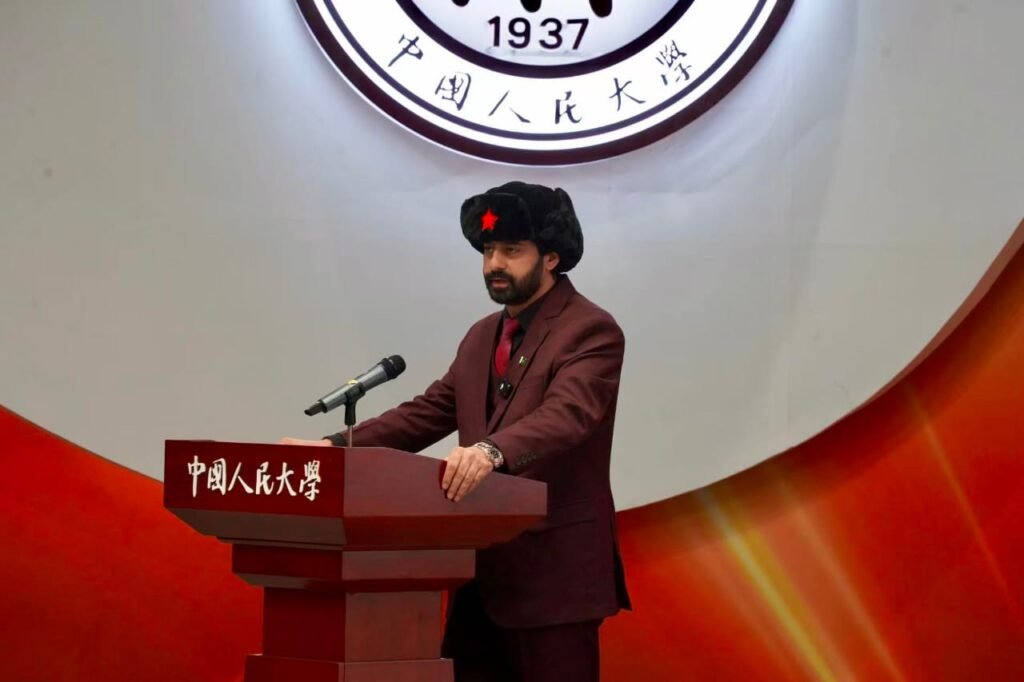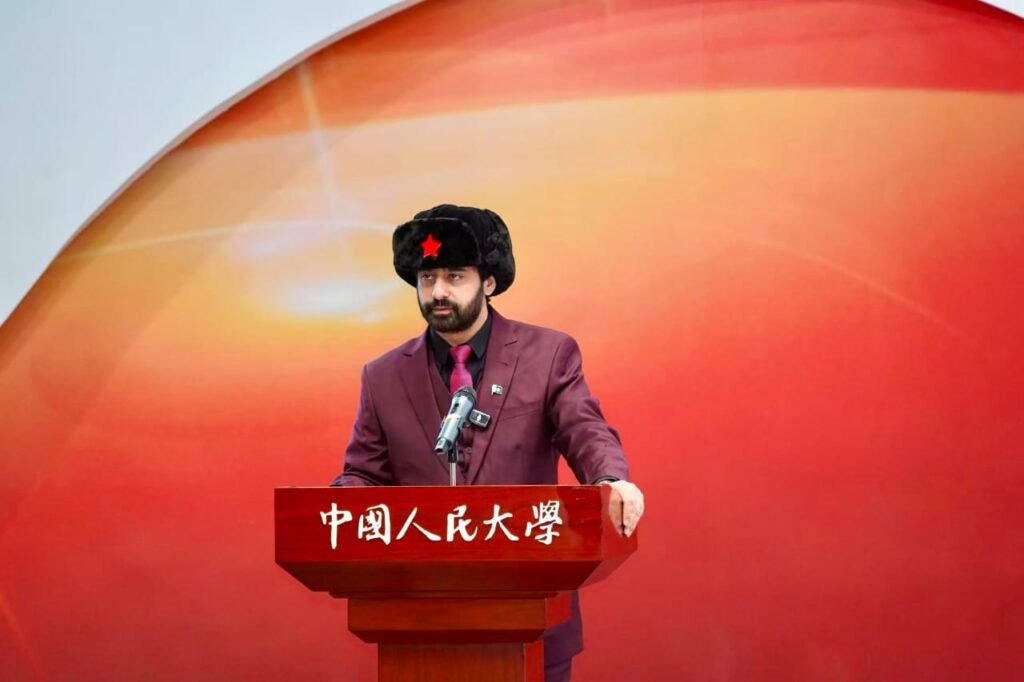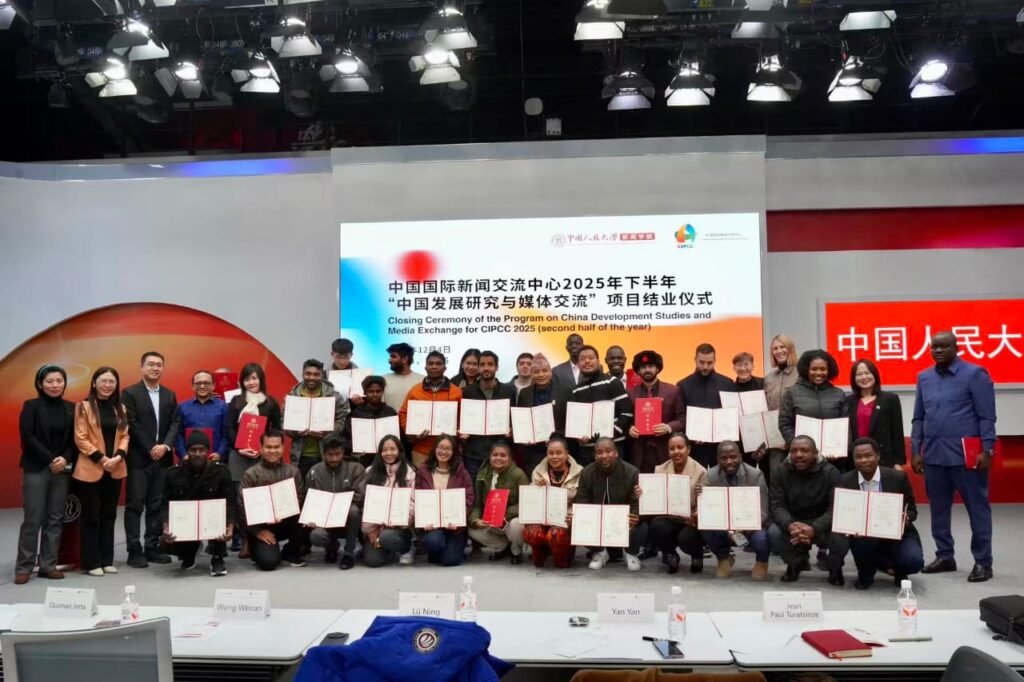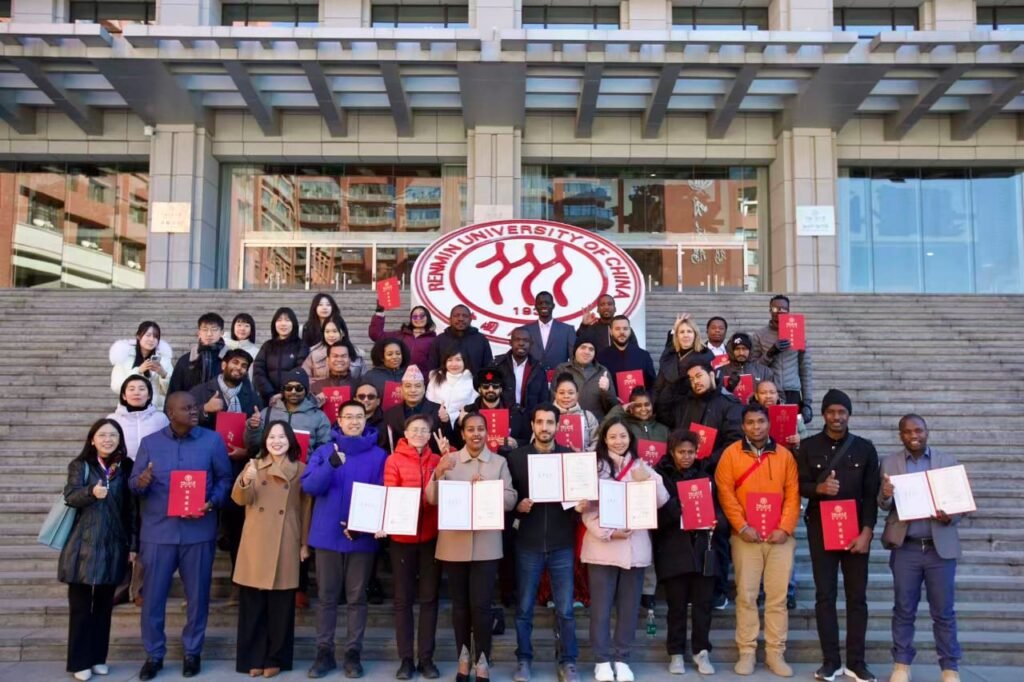

Respected organizers of the CIPCC Programme, media colleagues from different countries around the world, and esteemed faculty members of Renmin University of China.
It is a great honor for me to address the closing ceremony of the lecture in English on China Development Studies & Media Exchange.
Dear colleagues, I am sure that we all joined this programme to find answers to a few important questions about China.
A country that once faced brutal foreign aggression and fought heroically against fascism to protect its land and resources (1931 to 1945), enduring massive economic and human losses, how did it manage, within a few decades, to become one of the top two economies in the world, with a GDP exceeding 100 trillion yuan?
How, in just a few years, has China become the world’s largest trading power, with total imports and exports worth more than 4.58 trillion USD?
And how has China become number one in the world in foreign exchange reserves, holding more than 3.11 trillion USD?
Dear fellows, during our visits and interactions in China under the CIPCC programme, we all found the answers. Behind all these landmark achievements and miracles stands the Communist Party of China (CPC), the force that not only ended the trauma of war after World War II but also uplifted the nation in many key sectors such as power generation, coal and crude oil production, steel, automobile manufacturing, and poverty alleviation.
Beyond its rapid economic growth and development, we also observed that China’s governance model ensures an equal lifestyle and equal opportunities for all 56 ethnic groups across the country. This is a unique example of ethnic and cultural harmony. I was deeply impressed to see China’s mechanisms for preserving cultural heritage, promoting cultural legacy, and providing equal access to education, healthcare, and social facilities for all ethnic groups.
We found that the Chinese governance model and President Xi Jinping’s vision of putting people at the center of development have given true meaning to China’s success. The poverty alleviation model, the modern approach to agriculture and industry, and the innovative use of science and technology all reflect the vision of the CPC.
China’s role in supporting the development of friendly countries is also a remarkable step toward global peace and prosperity. China is assisting many nations in port construction, infrastructure development, power generation, agriculture, and numerous other projects. During the SCO Summit, President Xi Jinping proposed the Global Governance Initiative (GGI), setting a new development order for underdeveloped nations around the world. This initiative will help countries overcome economic and security challenges.
The presence of 26 global leaders at the SCO Summit in Tianjin and during the Victory Day parade sent a clear message to the world, that it is time to stand with the Chinese model of development, peace, and coexistence.
Journalists from Pakistan to Africa, and from Europe to Nepal, now see the potential in proposing this model of governance and development in their own countries. In my hometown, Rawalakot, AJK, Pakistan, the landscape closely resembles that of parts of Yunnan Province, China. After returning home, I will personally propose the development models of Malipo County and Jinping County to my government for the betterment of local communities.
Dear fellows, China’s modern subway systems, taxi apps, public bicycles, e-bikes, and advancements in high-speed railways and air transport are remarkable achievements that the world can learn from to improve public service.
Dear colleagues, I believe this journey will remain alive in the hearts and minds of journalists from all 93 countries. Even after we return home, I am confident that our experiences will continue to be shared and discussed in newspapers, on television, and at public forums across the world.
Dear friends, during this journey we had the privilege of meeting journalists from many countries. The friendships we built, among ourselves, with our Chinese friends, and with media institutions, have made this experience truly beautiful and unforgettable.
Farewell moments are usually not easy, but in today’s era of the virtual world, I believe these friendships will remain alive.
Once again, I express my sincere gratitude to CIPCC for providing this wonderful opportunity to study the world’s best governance model.
Warm wishes for friendship, cooperation, and peace.
Thank you.
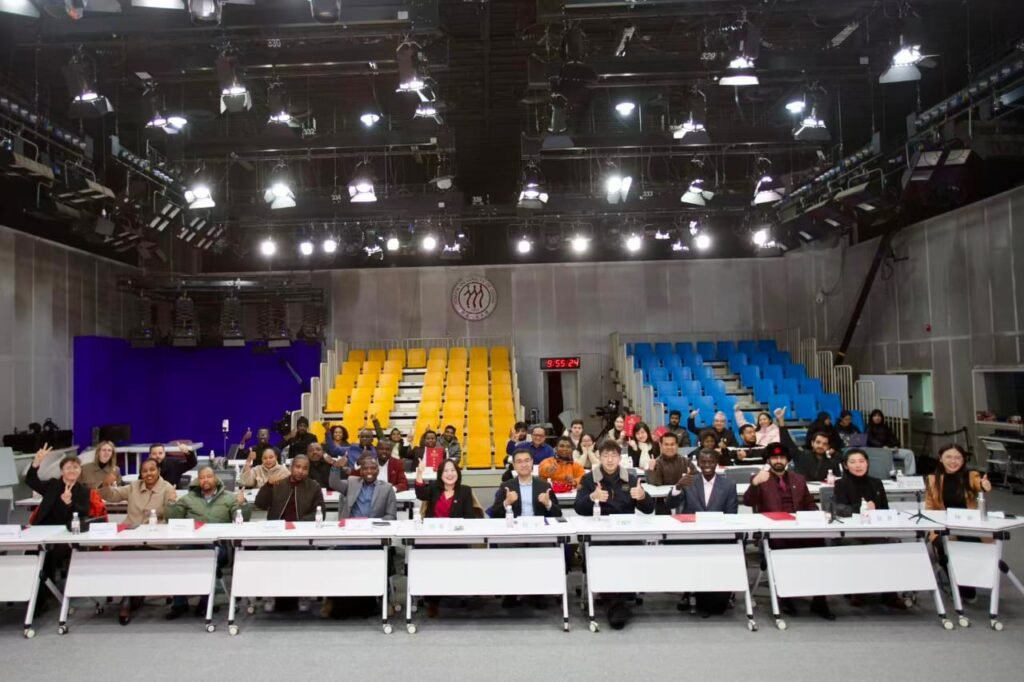
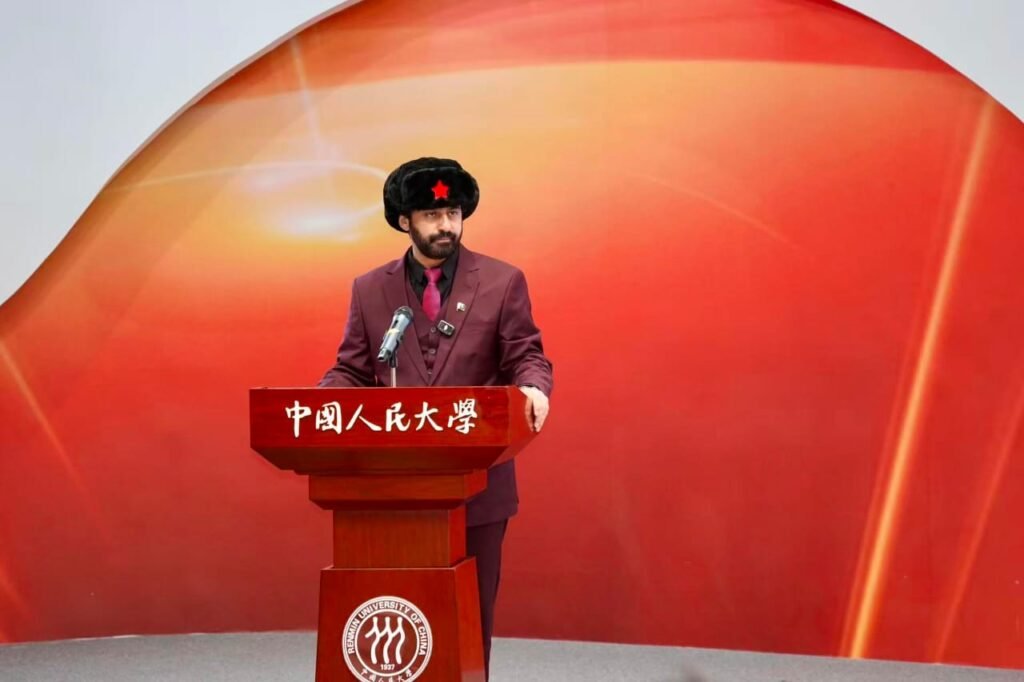
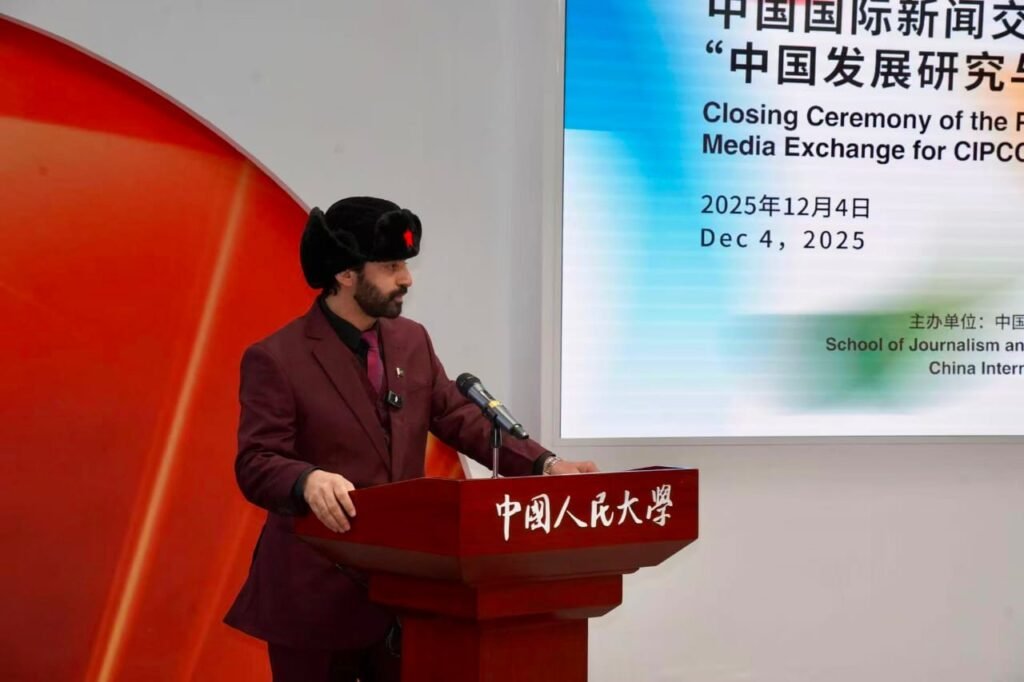
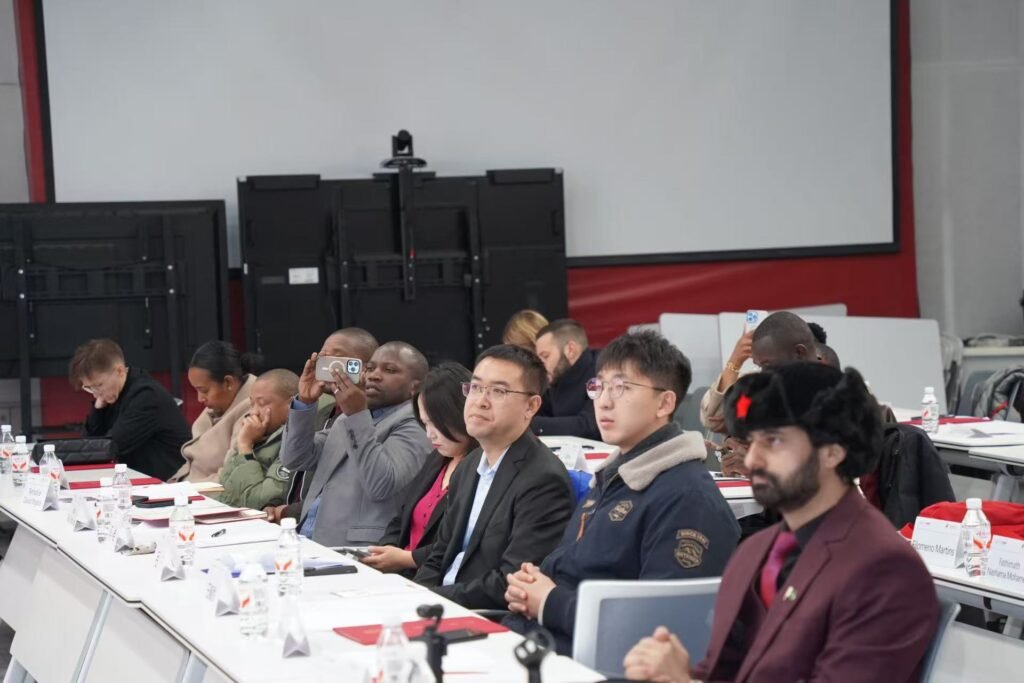
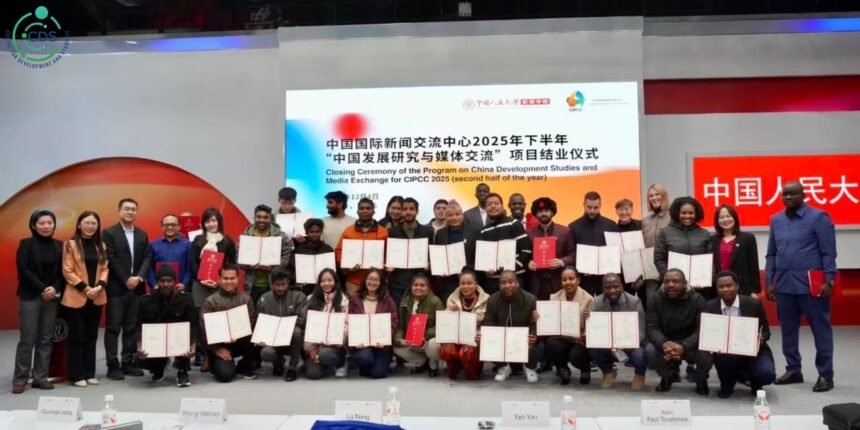
*The Pictures from the closing ceremony are attached below.