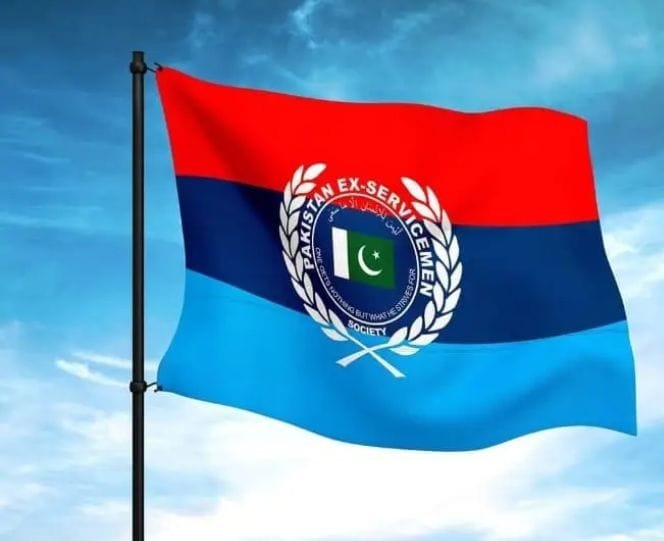

The Pakistan Ex-Servicemen Society (PESS) was founded under the presidency of Lt Gen retired Faiz Ali Chishti. After his retirement, Lt Gen retired Hamid Gul was elected President in 2011, during which I served as Director responsible for research and media affairs. He reposed full trust in me and valued my contributions. Gen Gul was knowledgeable, dynamic, strong-willed, and ideologically driven—deeply patriotic and firmly pro-army. May his soul rest in peace.
- Conclusion
- Recommendations
- The writer is a retired Brig, war veteran, defence, security & political analyst, columnist, author of five books, ex-chairman TFP , Patron-in-chief CDS Think Tank, Director Meesakh Research Centre, Chief Election Commissioner Tehreek Jawanan Pakistan, takes part in TV talk shows regularly.
- *The views and opinions expressed herein, and any references, are those of the author and do not necessarily reflect the editorial policy of the Centre for Development and Stability (CDS).
After his demise in 2016, Lt Gen Ali Kuli was elected as the joint President of both PESS and PESA. However, the arrangement could not continue, as the two organisations could not be merged. A major hurdle remained the inflexibility of 97 Year-old Brig (Retd) Mehmood.
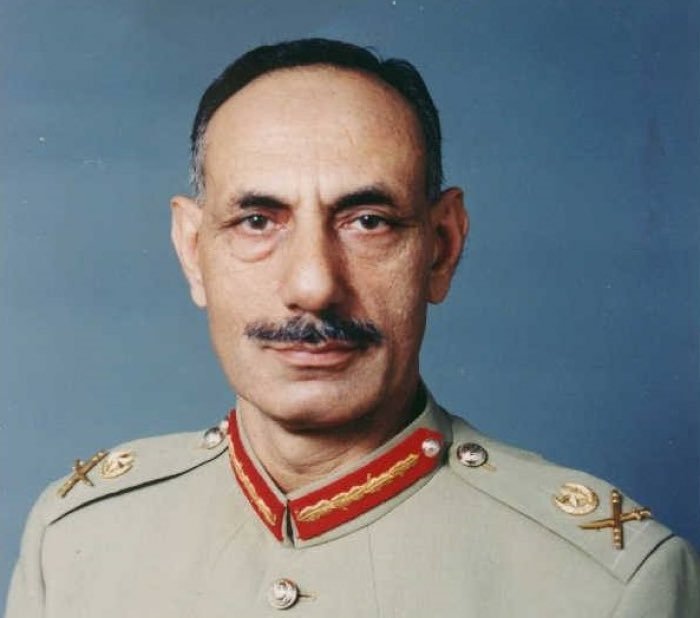
In 2018, Lt Gen retired Amjad Shoaib was elected President of PESS for the next three years (Feb 2021). Within a year of his takeover, politics began creeping into the organisation. Maj retired Adil Raja was appointed in charge of the media, and along with the vice president Maj Gen retired Aslam Tahir, all three visibly aligned themselves with PTI, frequently praising Imran Khan , while criticising the leadership of the two mainstream political parties.
Lt Gen Amjad’s daily talk shows on various TV channels increasingly targeted the Army leadership and the sitting government. Despite repeated reminders and warnings from ISPR and GHQ, he refused to alter his tone. It was at this juncture that I quietly withdrew from PESS. Maj Adil Raja, wanted by FIA on account of his spiteful questions to Gen Qamar Bajwa at Lahore, absconded to London in 2022 and started a willful anti-army campaign.
When restrictions were placed on the media appearances of Lt Gen Amjad Shoaib, he opened his own vlog. Soon after, he was detained for two nights, and eventually he resigned and receded into the background. PESS remained inactive and without an office for almost a year.
At that stage, in response to the concerns of the veterans, the lifelong Patron-in-chief Lt Gen Faiz Chishti persistently asked vice president Aslam Tahir to hold elections, but he didn’t, and in reaction registered a case against Gen Chishti, stating he was unduly pressured. The court case died its own death.
Responding to the concerns of numerous senior veterans, Lt Gen Faiz Chishti requested Lt Gen (Retd) and Senator Abdul Qayyum, affiliated with PML-N, to contest elections for the position of President PESS. Initially hesitant, he ultimately agreed.
A public circular was issued giving one month’s notice to all veterans for elections. However, the then-vice president of the dormant PESS, Maj Gen Tahir Aslam, opted out of the elections. Instead, he orchestrated his own “election” without fulfilling legal formalities or obtaining approval from the Patron-in-Chief or GHQ. He and his group subsequently declared themselves the only legitimate PESS, dismissing all others as fake.
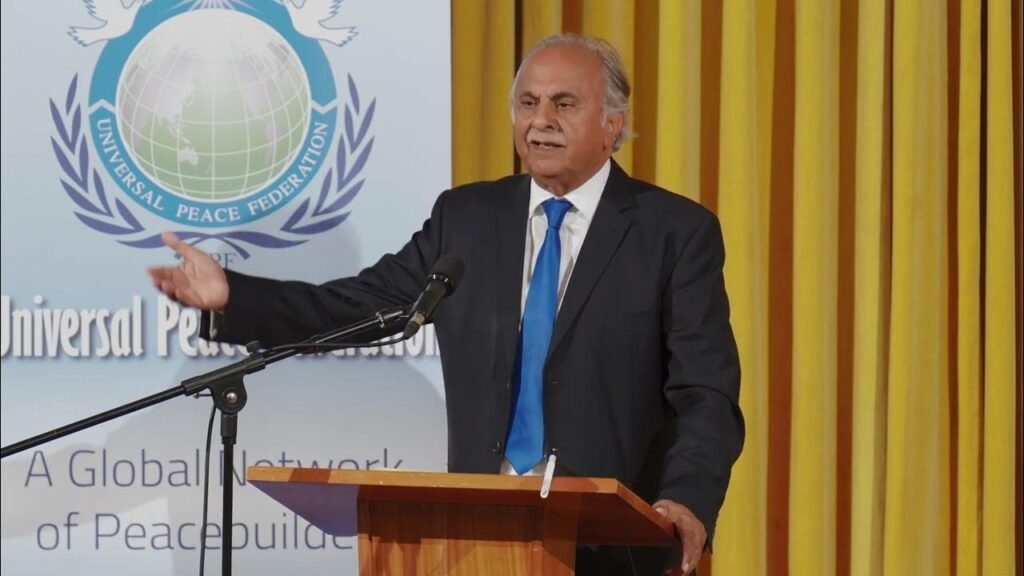
Lt Gen Abdul Qayyum was elected unopposed, and a new, broad-based management emerged, comprising members from the three armed services as well as civil armed forces. Regular meetings resumed, culminating in a well-attended Annual General Meeting in November.
On Lt Gen Qayyum’s invitation, I also attended. Members from across Pakistan participated, and a detailed review of welfare initiatives for retired personnel was presented. An extensive question-and-answer session addressed concerns and gathered suggestions.
The entire gathering reaffirmed its commitment to serving the Army and upholding its dignity. No dissenting voices were heard, nor was there any political discussion. The chairman reiterated that PESS is an apolitical welfare organisation, designed to support all ranks of the armed forces and serve as a second line of defence in peace and war. He made it clear that PESS would not indulge in politics—an area where the organisation had suffered in the past.
He highlighted that political polarisation had deeply affected a large segment of veterans and their families, creating divisions within serving and retired personnel of all three services—a trend being exploited by India and Afghanistan for their ulterior motives.
With organisational roots extending down to tehsil and union council levels, and with over three million members, PESS can serve as the Army’s eyes and ears, countering subversion, negative indoctrination, and espionage.
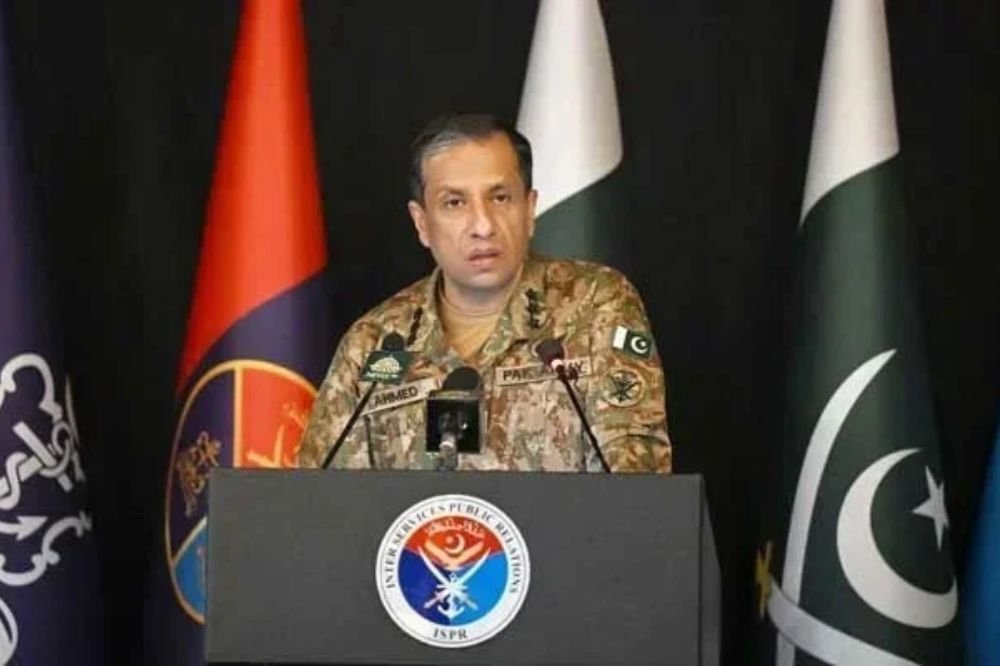
In a recent press briefing on Dec 6, the DG ISPR expressed grave concerns over the volatile political environment, the destructive role of the jailed PTI leader, and toxic social media. He argued that Imran Khan had become a national security threat because of his erratic behaviour and his reported linkages with banned militant groups and hostile states. He also pointed out that nowhere in the world do political parties and the media malign their own armed forces.
These remarks triggered sharp reactions from PTI leaders—particularly in KP—and from certain media circles.
To throw light on the prevailing political and security situation and to express the support of PESS for the Armed Forces, Lt Gen Abdul Qayyum addressed a press conference at the Rawalpindi Press Club the very next day.
His talk was balanced, apolitical, and free from provocation or accusations. He condemned the escalating propaganda campaign against the Pak Armed Forces and the CDF Field Marshal Asim Munir, describing it as a threat to national security and unity.
He amplified the need for unity, faith and discipline as expounded by Quaid e Azam and to keep national interests above personal interests. He said, internal cohesion and stability are prerequisites for confronting domestic and external challenges.
He lauded the valor, professionalism and unparalleled sacrifices of the Pak Army in fighting terrorism. He stressed that the armed forces—of which the Army is the centre of gravity—remain the nation’s first and last line of defence, and must be supported by all segments of society regardless of political or sectarian divides.
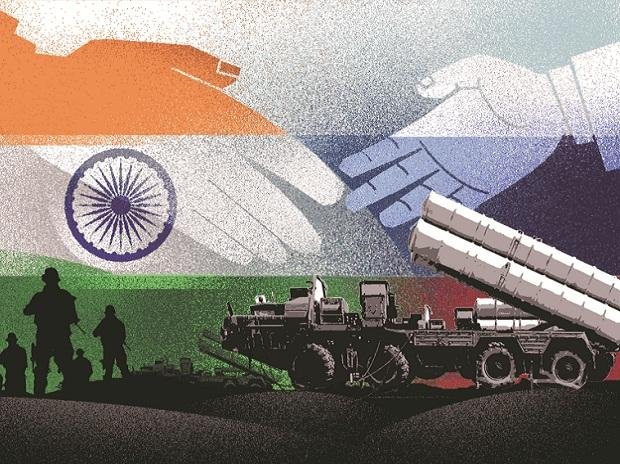
He expressed concern over growing Russia -India defence ties, and latter’s wish to acquire Russian SU-57 jets and additional S-400 batteries at a time when India is contemplating another attack on Pakistan.
He summed up by emphasising the need to formulate a collective national narrative for development, security and national unity.
He answered all questions with clarity and composure.
Nevertheless, his press conference inflamed the sentiments of some of the PTI’s misled cult followers. His remarks are now being distorted and misrepresented.
Meanwhile, not a word is uttered about the reckless conduct of their incarcerated leader. Social media platforms operated by veterans and absconding journalists abroad continue to stoke hatred against the Army leadership, poisoning the national atmosphere. The narratives and fake news peddled by Indian media and PTI trolls appear strikingly aligned in their objective of discrediting Pakistan’s military.
Recently, Indian External Affairs Minister Subrahmanyam Jaishankar stated explicitly that India’s primary security concern is Pakistan’s military establishment—not the Pakistani people. Pakistan’s military is similarly viewed with suspicion by both Israel and the United States.
Conclusion
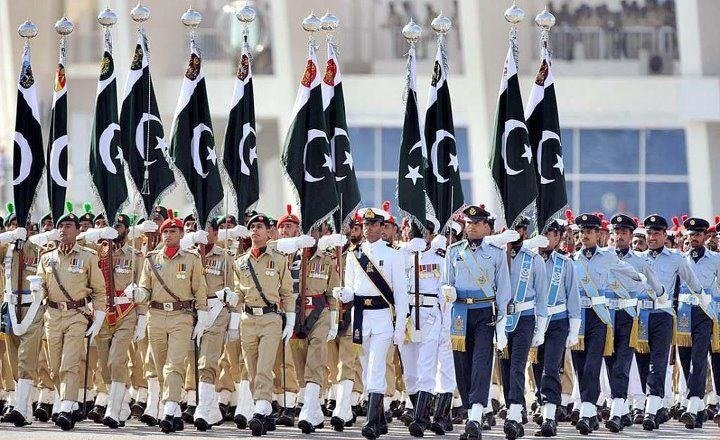
The history of PESS reflects not only the organisational evolution of a major veterans’ platform but also the broader political turbulence that has gripped the nation in recent years. Internal divisions, politicisation, and personality-driven conflicts weakened the society and undermined its core mission of serving the welfare of ex-servicemen and supporting the armed forces. The reorganisation under Lt Gen (Retd) Abdul Qayyum marks a decisive attempt to restore discipline, unity, and purpose.
In a period marked by political polarisation, external manipulation, and relentless propaganda against national institutions, the role of an apolitical, cohesive, and professionally run PESS becomes even more crucial. Its vast network across the country positions it as a valuable support structure for the armed forces—psychologically, morally, and operationally.
At a time when hostile powers openly identify Pakistan’s military as their primary strategic target, national unity and institutional solidarity are not just desirable—they are indispensable.
Recommendations
- Reinforce Apolitical Character of PESS
PESS must firmly distance itself from all political affiliations. Clear rules of conduct should be enforced to prevent members from using the platform for political advocacy or partisan agendas.
- Strengthen Organisational Discipline
Regular meetings, transparent elections, and strict adherence to the constitution of PESS will ensure continuity, legitimacy, and credibility.
- Expand Welfare Initiatives
More structured programmes for pensions, healthcare support, legal protection, education of dependents, and post-retirement financial guidance should be developed for veterans and their families.
- Revitalize the Communication Network
Given the spread of misinformation, PESS should maintain a coordinated, factual communication setup to counter fake news, highlight welfare work, and promote unity among veterans.
- Enhance Liaison with GHQ and Services Headquarters
A formalised coordination mechanism with GHQ, the three services, and civil armed forces will help align PESS activities with national security and welfare imperatives.
- Build Capacity at Tehsil and Union Council Levels
Grassroots organisational structures should be made more active, enabling PESS to function as an effective second line of defence, supporting national cohesion and social resilience.
- Vet and Monitor Online Activities of Members
Members involved in spreading negativity, anti-Army narratives, or foreign-inspired propaganda should be cautioned or removed after due process to preserve the integrity of the society.
- Promote National Unity and Inter-Institutional Harmony
PESS should play a constructive role in bridging the widening gap between serving and retired ranks, emphasising patriotism, discipline, and respect for the chain of command.
- Develop Veteran Awareness and Training Programs
Workshops on national security, hybrid warfare, cyber threats, and responsible social media use can help veterans contribute positively in the information domain.
- Document Institutional History
A formal, periodically updated record of PESS’s history, achievements, and lessons learnt will help future leadership avoid past pitfalls and build on institutional strengths.