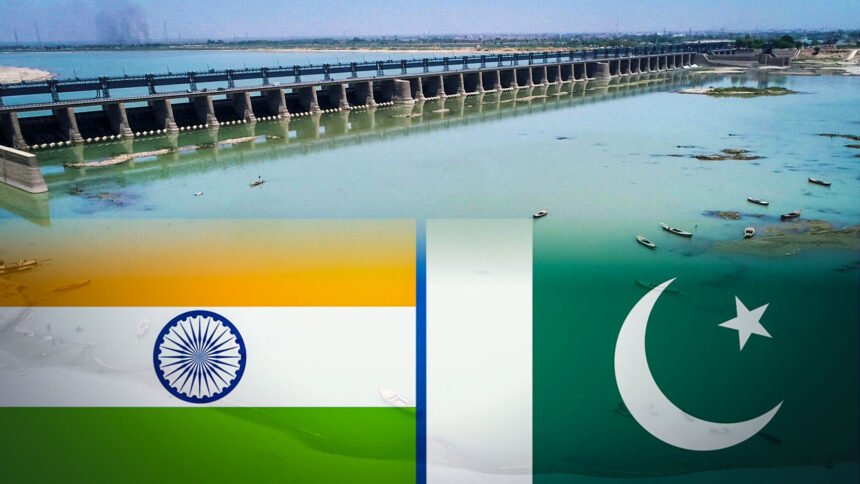

Indian leaders have adopted a notably assertive tone in response to perceived threats from Pakistan.
As of early January 2026, ever-increasing rhetorical and diplomatic tensions between India and Pakistan reflect a thickening geopolitical rift in South Asia. Tensions rooted in longstanding issues of terrorism, water-sharing, and regional separatism. Indian leaders have adopted a notably assertive tone in response to perceived threats from Pakistan.
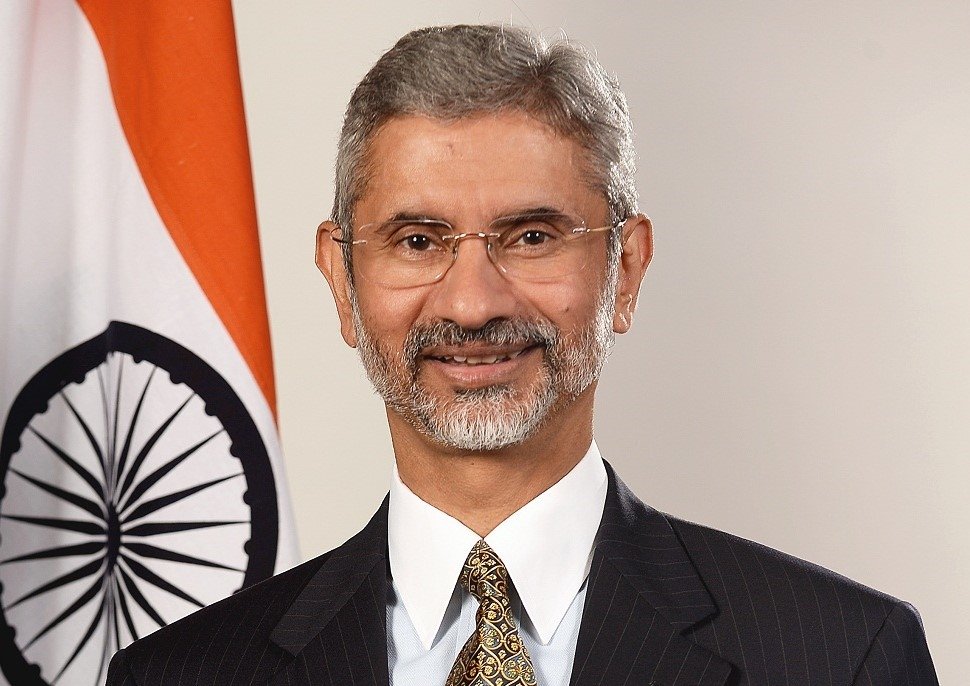
This can be understood from the Minister of External Affairs of India S. Jaishankar’s address at an Indian Institute of Technology Madras event on January 2, 2026. Where he portrayed Pakistan as a bad neighbour that has pursued deliberate, sustained, and unrepentant terrorism as state policy. He underscored India’s sovereign right to defend itself and stated that cooperation such as water-sharing under the Indus Waters Treaty (suspended in 2025 following the April 22, 2025, Pahalgam attack) cannot coexist with cross-border violence.
He further said in sarcastic tone, “You can’t say, ‘Please share water with me, but I will continue terrorism with you.” In other words, a state that carries the stigma of state terrorism across the world is mocking Pakistan while portraying itself as a progressive and enlightened nation. Such arrogance.
In response , Pakistan firmly rejects the irresponsible assertions made by the Indian External Affairs Minister. The Spokesperson of the Ministry of Foreign Affairs, Mr. Tahir Andrabi, stated, “once again, India seeks to deflect attention from its own troubling record as a neighbour that promotes terrorism and contributes to regional instability.”
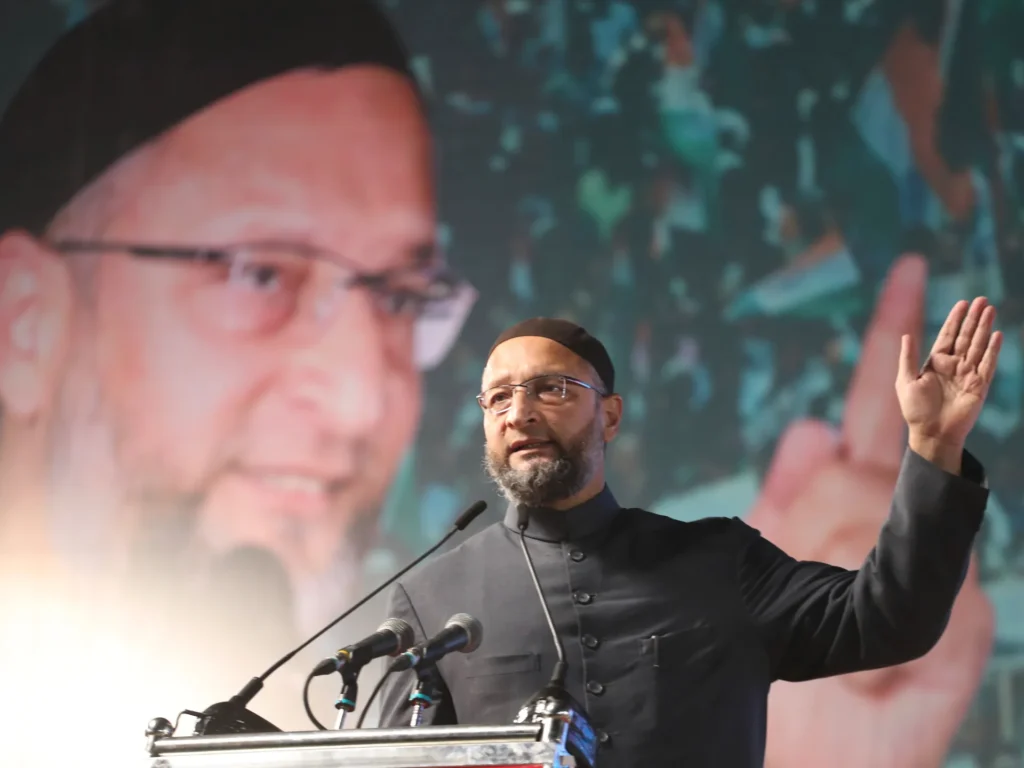
Even more so, the All India Majlis-e-Ittehadul Muslimeen (AIMIM) chief Asaduddin Owaisi Called for Modi to replicate Trump’s Venezuela style operation against Pakistan. As if targeting and destablising Pakistan is child’s play for them.
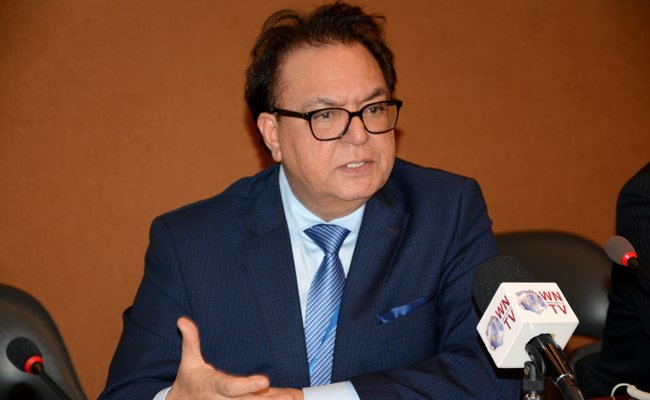
Dr. Amarjit Singh analysis at TV84 program is of great importance that portrays these comments as evidence of India’s isolation and policy failures and condemned India of using proxies to destabilise Pakistan.
In his deliberate analysis he gave a prominent example of an open letter from Baloch activist Mir Yar Baloch (self-identifying as a representative of the “Republic of Balochistan”) to Jaishankar on January 1, 2026. In which Mir yar Baloch has warned India about the imminent Chinese military deployment in Balochistan as the China-Pakistan Economic Corridor (CPEC) reaches its final phases and described the Pakistan-China alliance as dangerous. He cautioned India that this alliance would be threatening to regional security and to India’s interests as well.
And more dangerous aspect is that in letter he praised India’s strong line against terrorism, including Operation Sindoor and highlighted shared cultural ties e.g., the Hinglaj Mata Temple, and offered Baloch support to India. This follows Baloch nationalists’ declaration of independence in May 2025 amid ongoing insurgency and allegations of Pakistani repression.
Similarly, an exclusive ANI interview with Sardar Shaukat Ali Kashmiri, Chairman of the United Kashmir People’s National Party often in exile, criticized Pakistan’s governance in Azad Jammu and Kashmir (AJK). He accused the Pakistani security establishment of marginalizing elected representatives, denying democratic rights, and exploiting local resources while depriving residents of basic facilities. Kashmiri claimed that real power lied with unelected military actors, portrayed AJK as under firm Pakistani control despite its projected autonomy.
Dr. Singh interpreted these developments amplified by Indian media as Indian-backed efforts to stimulate unrest in Balochistan and AJK, using hired figures to create internal hotspots and destabilize Pakistan. This draws a straight link to Pakistan’s longstanding accusations of Indian sponsorship of separatism via RAW involvement. Indian narratives frame such voices as authentic expressions of local grievances against Pakistani exploitation, human rights abuses, and CPEC-related issues.
Overall, these events underline intensifying proxy tensions in 2026, with water disputes, counter-terrorism claims, and separatist movements at the forefront. India’s assertive posture seeks to assert self-defense and regional influence, while Pakistan views it as interference amid its own strategic partnerships. The situation risks further escalation unless addressed through dialogue, though mutual distrust and historical grievances continue to dominate the narrative. India needs to change its attitude, because its conduct remains a key obstacle to peace in the region.