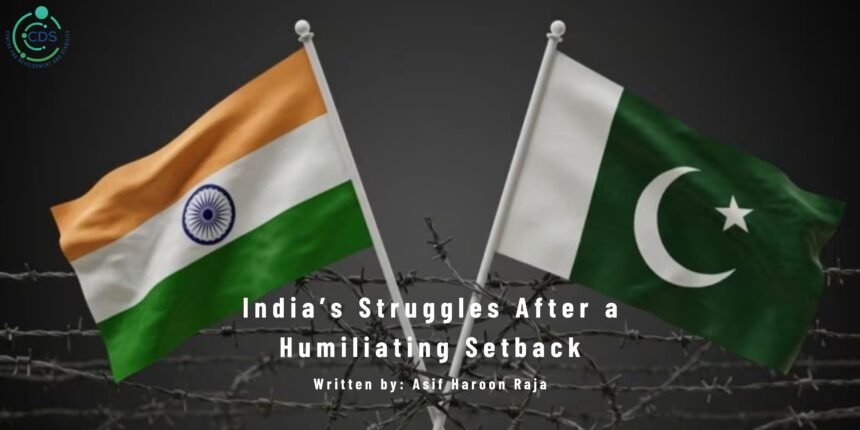

The Indian narratives are struggling to reconcile with the sudden and decisive setback inflicted by Pakistan. To cover up their embarrassment, Indian officials and media are attempting to attribute the outcome to Chinese involvement.
- Pakistan’s Independent Role
- India’s Tarnished Image
- Shifting Regional Alignments
- Pakistan–China Partnership and the SCO Summit
- Competing Connectivity Projects
- India–US Equation
- Pakistan’s Priorities
- The author Brigadier (Retd.) Asif Haroon Raja, is a war veteran, defence and political analyst, international columnist, author of five books, and ex-Chairman of the Thinkers Forum Pakistan. He is currently Director of the Measac Research Centre, Patron-in-Chief of the CDS Think Tank, and Administrator of Fact Check. He frequently appears on TV talk shows and delivers lectures on strategic affairs.
- *The views and opinions expressed herein, and any references, are those of the author and do not necessarily reflect the editorial policy of the Centre for Development and Stability (CDS).
In doing so, they conveniently ignore the reality that the Indian armed forces have been armed to the teeth with the latest weaponry and technologies supplied by Russia, the US, Europe and Israel for over two decades.
Pakistan’s Independent Role
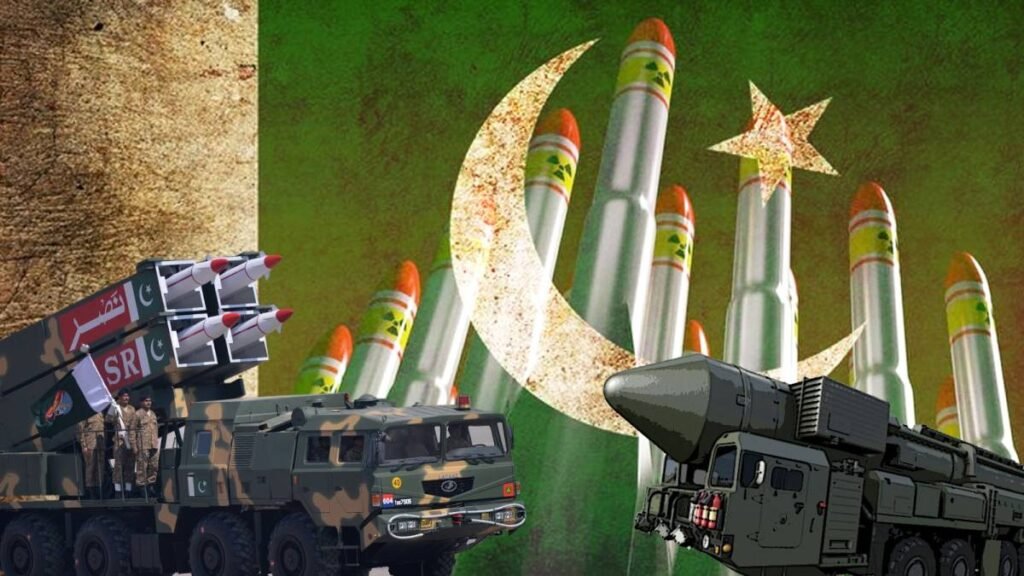
What India also refuses to acknowledge is the central role Pakistan itself plays in the regional power balance. While China has been a steady source of weapon systems and technology, the recent war was fought exclusively by Pakistan’s armed forces on their own strength.
The Pakistan Army once again proved itself as a credible, battle-tested force that has consistently prevailed under difficult circumstances.
India’s Tarnished Image
Bruised by its defeat in the four-day war, India is desperately trying to rebuild its tarnished image. Its extraordinary warm relations and strategic partnership with the United States — nurtured over 25 years — have become frosty, a major diplomatic loss for New Delhi.
This estrangement occurred at a time when India was presuming itself to be a global power, the strongest in South Asia, and a rising force across the Indo-Pacific.
India had even begun dreaming of further dismembering Pakistan and creating Akhand Bharat.
Shifting Regional Alignments
What worries India most is the improvement in Pakistan–US relations and the steady erosion of its influence in Afghanistan and Iran — countries it had used since 2002 as staging grounds for proxy wars against Pakistan.
India’s strategic assets, the TTP and BLA, are now being systematically eliminated by Pakistan’s security forces in Khyber Pakhtunkhwa and Balochistan.
Both Afghanistan and Iran have assured Pakistan that they will not allow sanctuaries for terrorism on their soil, and have begun taking steps to neutralise such threats.
China and Pakistan’s military diplomacy played a significant role in this shift, while both China and the US have shown readiness to support Pakistan in counterterrorism efforts.
Pakistan–China Partnership and the SCO Summit
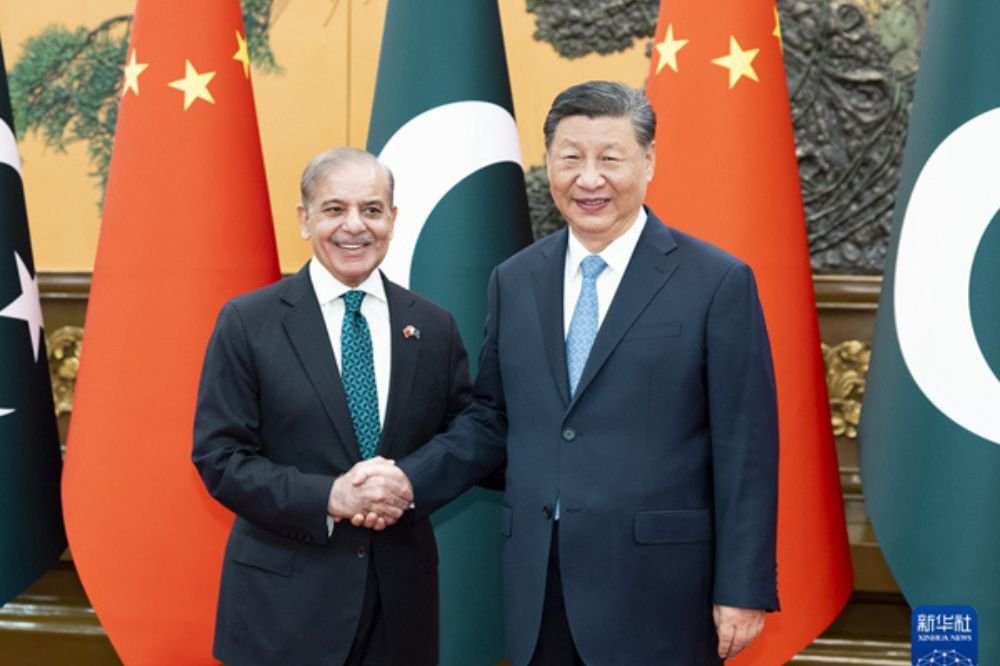
The steady growth of Pakistan–China relations, evident in the recent SCO Summit and victory parade in Beijing, has further rattled India.
To compensate for its setbacks, India has been trying to deepen cooperation with Russia, woo China, and regain influence in Afghanistan and Iran.
At the SCO Summit, Prime Minister Modi sought to charm global leaders, hugging President Xi and President Putin, cracking jokes, and engaging in public displays of camaraderie. The Indian media enthusiastically projected these interactions as Modi “stealing the limelight.”
However, these optics do not alter the strategic reality: China and India’s ties remain tactical and transactional. Trade between the two countries exceeds $100 billion, and both sides find it useful to keep economic channels open while deferring the border disputes.
Competing Connectivity Projects
India continues to oppose the Belt and Road Initiative (BRI), particularly the China–Pakistan Economic Corridor (CPEC). Instead, it promotes alternatives like the North–South Transport Corridor and projects such as Chabahar port and the Delaram–Zaranj highway in Afghanistan to link with Central Asia.
India–US Equation
Despite the recent chill, India cannot afford to lose the United States, nor can Washington completely dispense with India. New Delhi is already working to repair its ties, and sooner or later Washington is likely to relent, as the US has few viable regional alternatives.
Pakistan, firmly tied to China through CPEC and strategic cooperation, cannot serve as a replacement — though Islamabad would prefer to maintain cordial relations with Washington, enhance trade, and secure access to counterterrorism equipment and F-16 spare parts.
Pakistan’s Priorities
Both India and Pakistan are navigating testing times, each seeking to outmanoeuvre the other diplomatically while balancing relations with the East and West. India wants to salvage its prestige, undermine Pakistan, and reassert itself as the West’s preferred partner.
Pakistan, by contrast, remains focused on safeguarding its territorial integrity, combating terrorism, securing water resources, reviving its economy, and overcoming internal crises to achieve self-reliance.