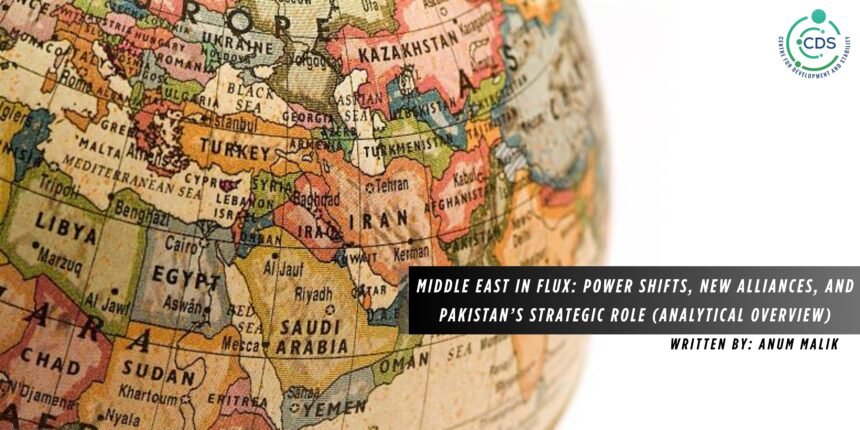

The Middle East, long known as a cauldron of political turbulence and strategic importance, is once again witnessing a historic shift in the balance of power. As the region continues to reel from prolonged conflicts, economic upheavals, foreign interventions, and fast-evolving alliances, the traditional power dynamics are being challenged.
- From U.S. Dominance to Multipolar Engagement
- Iran’s Regional Posture: From Isolation to Strategic Assertiveness
- Saudi Arabia: From Petro-Kingdom to Regional Diplomatic Leader
- Israel’s Regional Ambitions among Rising Tensions
- Turkey’s Strategic Balancing Act
- UAE and Qatar: The Mini-Powers with Mega Influence
- China and Russia: The Eastern Shift in Middle Eastern Ties
- Palestine: The Ongoing Human Tragedy
- Pakistan’s Role in the Evolving Middle East
- The Future Outlook: Toward a Fragmented but Interconnected Region
- Conclusion: A Region in Transition, Not Yet at Peace
- The author, Anum Malik, is affiliated with the State News Agency and contributes her research to the think tank, CDS.
- *The views and opinions expressed herein, and any references, are those of the author and do not necessarily reflect the editorial policy of the Centre for Development and Stability (CDS).
Regional powers like Saudi Arabia, Iran, Turkey, Israel, and the UAE are repositioning themselves in this changing landscape. Notably, Pakistan, though not geographically part of the Arab Middle East, remains an important stakeholder in shaping the future of this region due to its strategic, religious, economic, and military ties.
From U.S. Dominance to Multipolar Engagement
For decades, the United States held unparalleled influence over Middle Eastern affairs. However, a gradual strategic retreat, first under President Obama and later accelerated under Trump and Biden, created room for regional powers to assert themselves. In 2024-2025, this shift has become more pronounced.
While the U.S. remains a significant player, its influence is now counterbalanced by:
- China’s growing economic footprint, especially through the Belt and Road Initiative (BRI) and energy deals.
- Russia’s military and diplomatic involvement, notably in Syria, and its growing alignment with Iran.
- European powers’ efforts to maintain relevance, particularly through trade and climate diplomacy.
This new multipolar order has redefined alliances, encouraged local power centers to act more independently, and changed the calculus of conflict and cooperation.
Iran’s Regional Posture: From Isolation to Strategic Assertiveness
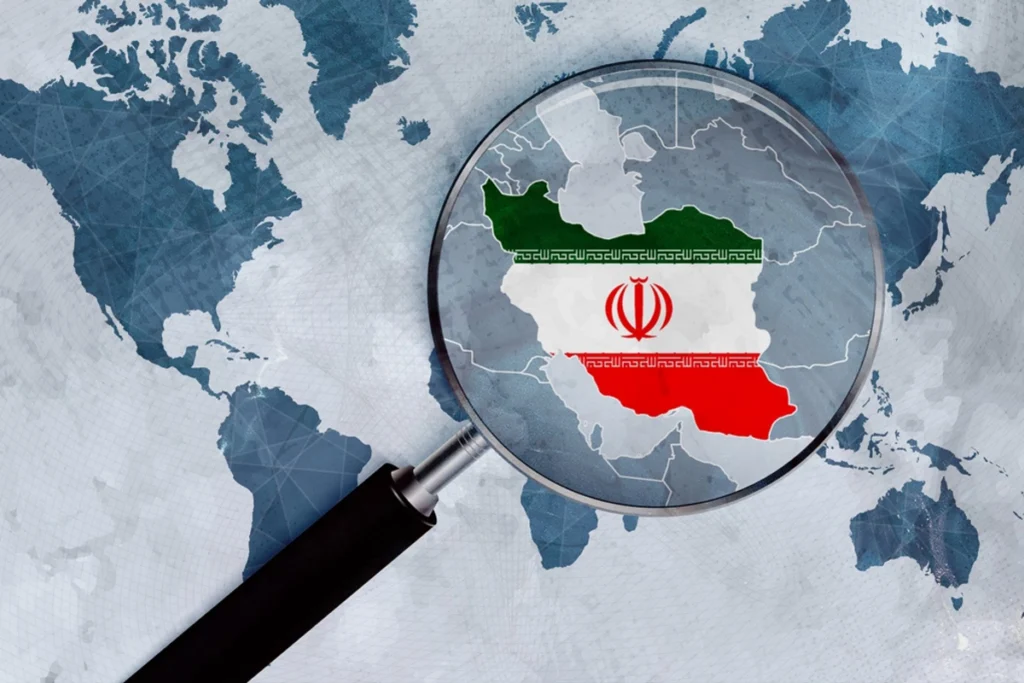
Iran remains a central actor in Middle Eastern geopolitics, with its influence extending across Iraq, Syria, Lebanon, and Yemen through a network of proxies and allies.
- In 2024, following the near-collapse of the 2015 JCPOA nuclear deal, Iran increased its uranium enrichment levels, raising alarms in Israel and the West.
- Tehran deepened strategic relations with China and Russia, signing a 25-year cooperation pact with China worth over $400 billion.
- Iran’s support for groups like Hezbollah and the Houthis continues, as does its rivalry with Saudi Arabia, despite the China-brokered 2023 détente.
By mid-2025, Iran’s assertiveness had grown, but it faced internal economic pressure, international sanctions, and public dissent.
Saudi Arabia: From Petro-Kingdom to Regional Diplomatic Leader
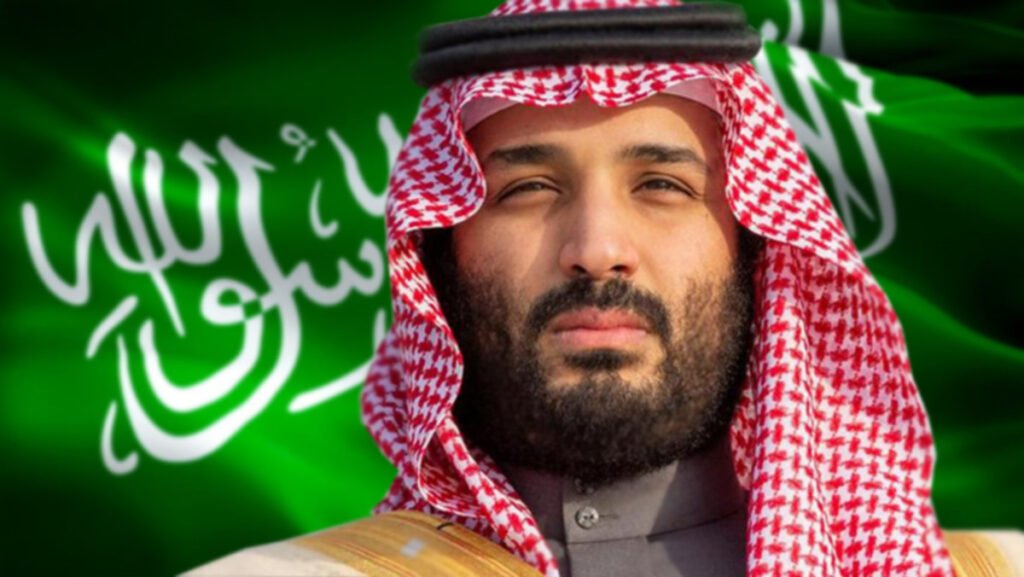
Saudi Arabia under Crown Prince Mohammed bin Salman (MBS) is undergoing a remarkable transformation:
- Vision 2030 has pushed economic diversification, reducing dependence on oil.
- The Kingdom played a significant role in regional diplomacy, including mediating in Sudan’s civil war and promoting peace in Yemen.
- The rapprochement with Iran and warming ties with Israel, although paused due to the 2023 Gaza conflict, reflect Riyadh’s pragmatic shift.
In 2025, Saudi Arabia is focused on becoming the region’s investment hub while trying to project soft power through sports, tourism, and diplomacy.
Israel’s Regional Ambitions among Rising Tensions
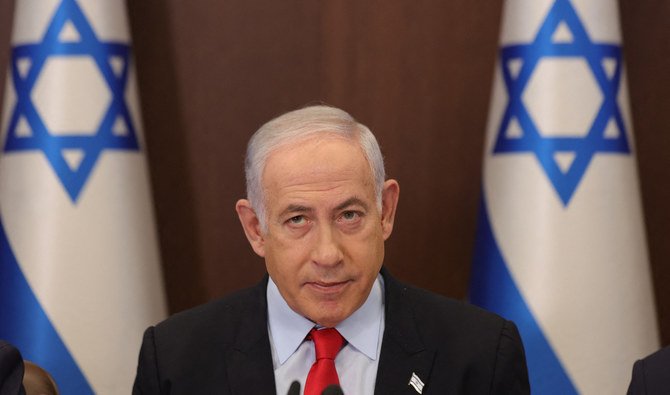
Israel continues to pursue its strategic goals while navigating internal and external challenges:
- Its normalization agreements under the Abraham Accords expanded relations with the UAE, Bahrain, Morocco, and Sudan.
- The October 2023 Gaza conflict, sparked by intensified Israeli actions in the West Bank and Gaza, reignited tensions with Iran-backed groups.
- In early 2025, Israel allegedly assassinated Hezbollah leader Hassan Nasrallah in a covert operation, raising fears of a regional flare-up.
Despite its technological edge and U.S. support, Israel’s security dilemma is far from over as it remains surrounded by adversaries and under constant threat of asymmetrical warfare.
Turkey’s Strategic Balancing Act
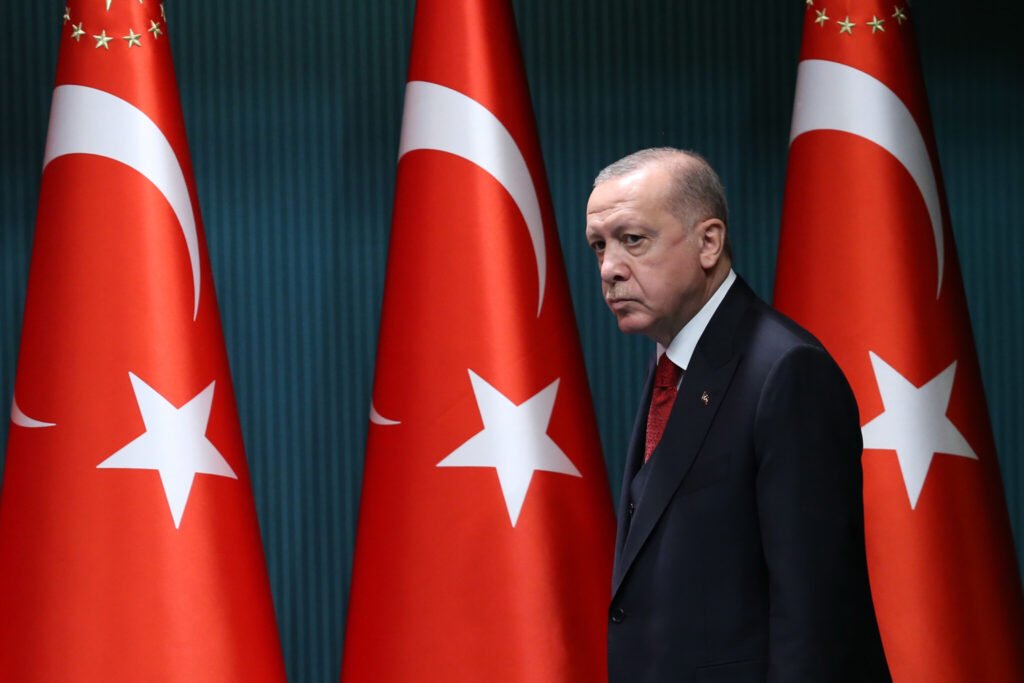
Under President Tayyip Erdogan and now a post-Erdogan political setup, Turkey maintains its balancing role:
- Turkey has deepened ties with Qatar, supported Palestinian causes, and projected influence in Libya, Azerbaijan, and Syria.
- Its relations with Saudi Arabia and Egypt have improved, despite historical rivalry.
- As of 2025, Turkey is focused on regional economic integration and defence collaboration, while navigating its internal economic difficulties.
Ankara positions itself as a bridge between the West and the Islamic world, and continues to play a balancing act in the Middle Eastern power game.
UAE and Qatar: The Mini-Powers with Mega Influence
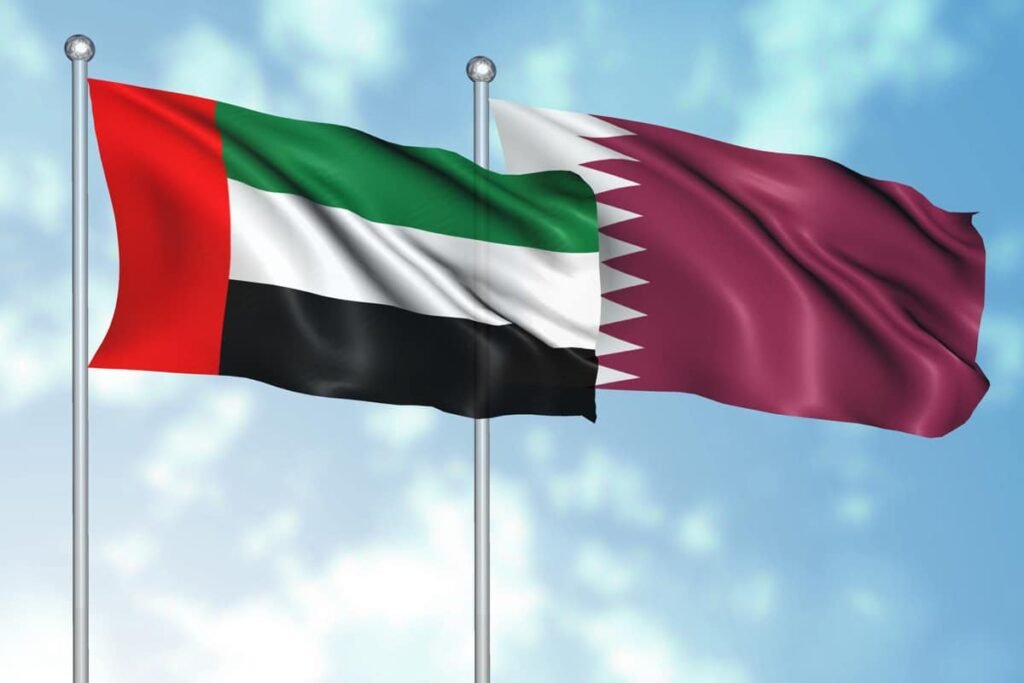
- UAE: Through diplomatic outreach, military modernization, and economic initiatives, the UAE has emerged as a key player in Yemen, Libya, and the Horn of Africa. Its soft power investments in education, tech, and tourism add to its regional weight.
- Qatar: Known for its independent foreign policy, Qatar continues to host Hamas political leadership, mediate in regional disputes, and exert media influence via Al Jazeera.
These Gulf States are increasingly influential in regional decision-making, far beyond their size.
China and Russia: The Eastern Shift in Middle Eastern Ties
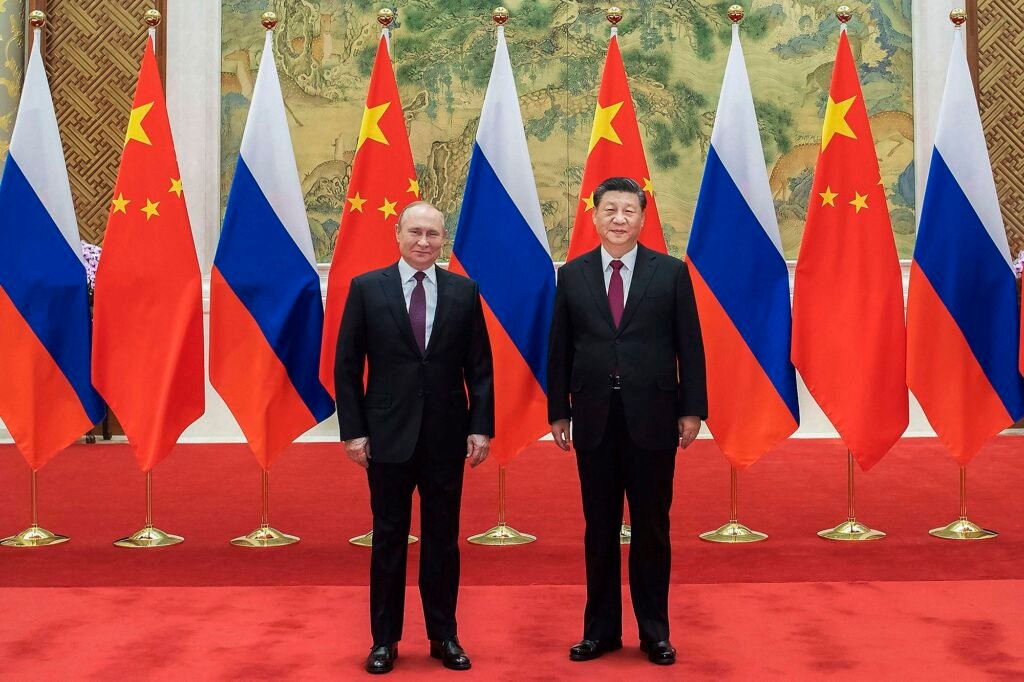
Both China and Russia have become vital players in the region.
- China: By mid-2025, China will have signed multiple long-term oil and infrastructure deals with Saudi Arabia, Iran, and the UAE. Its neutral diplomacy and financial muscle make it an acceptable broker in the region.
- Russia: Despite being bogged down in Ukraine, Russia remains entrenched in Syria and increasingly supportive of Iran.
This eastern pivot signals a departure from decades of Western hegemony.
Palestine: The Ongoing Human Tragedy
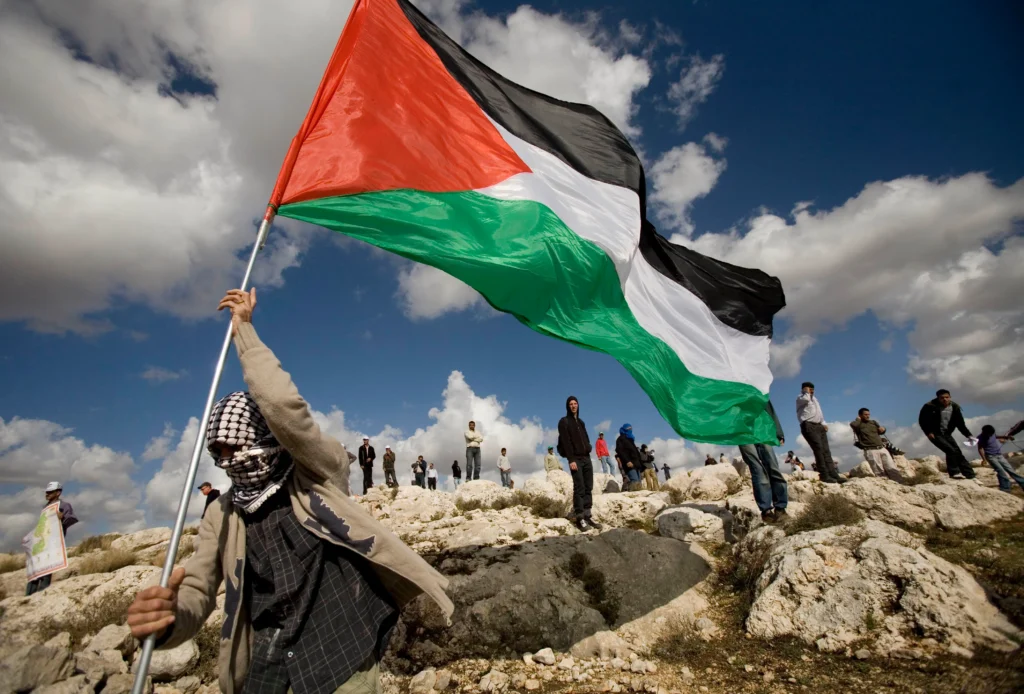
The Israel-Palestine conflict continues to shape regional dynamics.
- The 2023 Gaza war left thousands dead and displaced, drawing international condemnation.
- As of 2025, efforts to broker peace have stalled, with Israel maintaining a hardline policy.
- The humanitarian situation in Gaza remains dire, with increasing calls from the Global South, including Pakistan, for international accountability.
The unresolved Palestinian issue remains a symbol of resistance and a rallying point for regional unity.
Pakistan’s Role in the Evolving Middle East
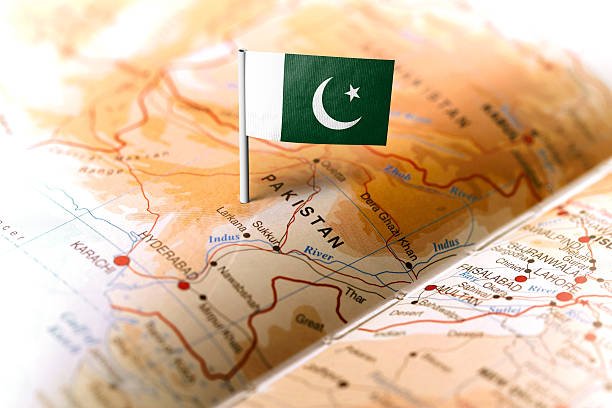
Though not an Arab country, Pakistan is deeply involved in Middle Eastern affairs:
- Diplomatic Engagement: Pakistan maintains close ties with Saudi Arabia, UAE, Turkey, and Iran. Islamabad has hosted multiple OIC discussions on Palestine and Islamophobia.
- Defence Collaboration: Pakistani military personnel serve in advisory roles in Gulf nations. Defence cooperation agreements with Saudi Arabia and the UAE remain strong.
- Energy & Labour: Over 2.5 million Pakistani workers in the Gulf send remittances exceeding $7 billion annually (as of 2024). Energy dependence also ties Pakistan to Middle Eastern oil.
- Neutral Mediator: Pakistan has offered to mediate between Iran and Saudi Arabia, and often plays a behind-the-scenes role in de-escalating sectarian tensions.
In 2025, Pakistan aims to strengthen its economic ties, especially through Gwadar Port, which connects with the Middle East under China’s BRI framework.
The Future Outlook: Toward a Fragmented but Interconnected Region
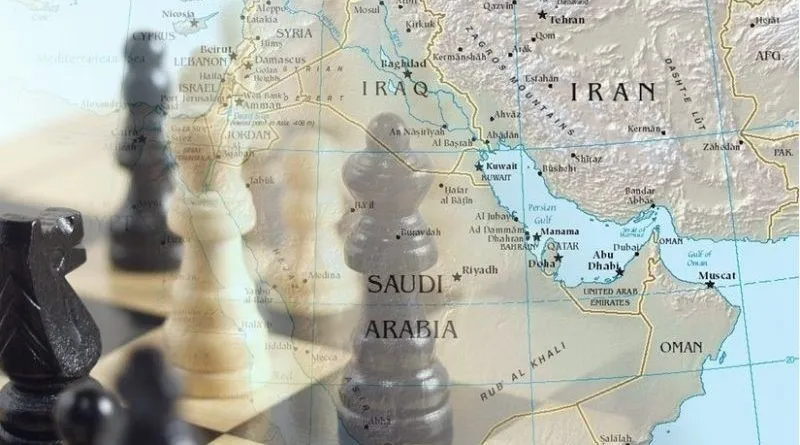
Today, the Middle East is fragmented but interconnected. While sectarian, ethnic, and geopolitical divides persist, there is also a growing push for:
- Regional economic integration (GCC, BRI corridors)
- Climate and water cooperation
- Counter-terrorism and cybersecurity collaboration
- De-escalation of proxy wars
However, threats remain. The Iran-Israel conflict could erupt any moment, Palestine remains unresolved, and extremist groups still find space in war-torn zones.
Conclusion: A Region in Transition, Not Yet at Peace
The Middle East is undergoing one of its most significant transitions in decades. While power no longer lies solely in the hands of a single state or outside power, the region is still a long way from achieving sustainable peace and collective security. Regional states are asserting their autonomy, reshaping old alliances, and looking eastward.
For Pakistan, this transformation presents both opportunities and responsibilities. As a bridge between South Asia and the Middle East, and with historic and religious ties to the Muslim world, Islamabad must continue its balanced, proactive diplomacy, one that champions peace, protects Muslim causes, and enhances its strategic interests without being drawn into regional rivalries.
The balance of power is shifting, but whether this shift brings peace or prolonged instability depends on the choices regional leaders make today.