
Executive Summary
India’s military defeat in May 2025 has transformed South Asia’s strategic landscape. Pakistan has emerged diplomatically and militarily strengthened, while India is recalibrating through modernization, indirect pressure, and renewed alliances. This policy brief outlines the emerging threats, strategic shifts, and policy implications for Pakistan and its partners.
- Executive Summary
- Strategic Background
- Pakistan’s Strategic Gains
- Emerging Threats
- India in a Quandary
- India’s Post‑Conflict Posture
- Pakistan warnings
- Mix of Kinetic/Non-kinetic Clash
- Policy Implications and Recommendations
- Conclusion
- The writer is a retired Brig, war veteran, defence security and political analyst, columnist, author of five books, ex-chairman TFP, Patron-in-chief CDS Think Tank, Director Meesakh Research Centre, Chief Election Commissioner Tehreek-e-Jawanan Pakistan, takes part in TV talk shows daily.
- *The views and opinions expressed herein, and any references, are those of the author and do not necessarily reflect the editorial policy of the Centre for Development and Stability (CDS).
Strategic Background
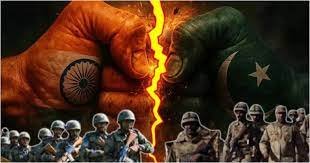
The short conflict of May 2025 undermined the perception of India’s regional military dominance. India’s inability to achieve its objectives despite vast economic and military superiority exposed structural weaknesses in planning, technology integration, and civil‑military synergy.
Pakistan, conversely, demonstrated operational coherence and deterrence credibility. The outcome reshaped regional power perceptions, compelling outside actors — including China, the Gulf states, and the United States — to reassess Pakistan’s geopolitical value.
Pakistan’s Strategic Gains
In the months since May, Pakistan’s leadership has received international attention and lavish praise. That attention, coupled with new diplomatic alignments and deeper military-technical cooperation, has worried Indian policymakers.
China–Pakistan strategic ties have broadened, prompting Phase-2 momentum on CPEC projects. Defence-technology transfers and new acquisitions have upgraded Pakistan’s deterrent posture.
The Pakistan–Saudi defence partnership has opened economic avenues, unlocked new investments, enhanced security stature in the Middle East, and bolstered Islamabad’s geopolitical clout.
Re-engagement with the United States opened prospects for advanced technology, access and trade normalization, and political space.
This convergence of diplomatic, economic and defence gains — generated by cohesive civil-military coordination in Pakistan, and diplomatic outreach since May 2025 — has changed the regional equilibrium.
Pakistan’s outreach to the Middle East, Central Asia, ASEAN States, Africa, and parts of Europe has expanded its strategic depth and bolstered its image as a net stabilizing regional actor.
Emerging Threats
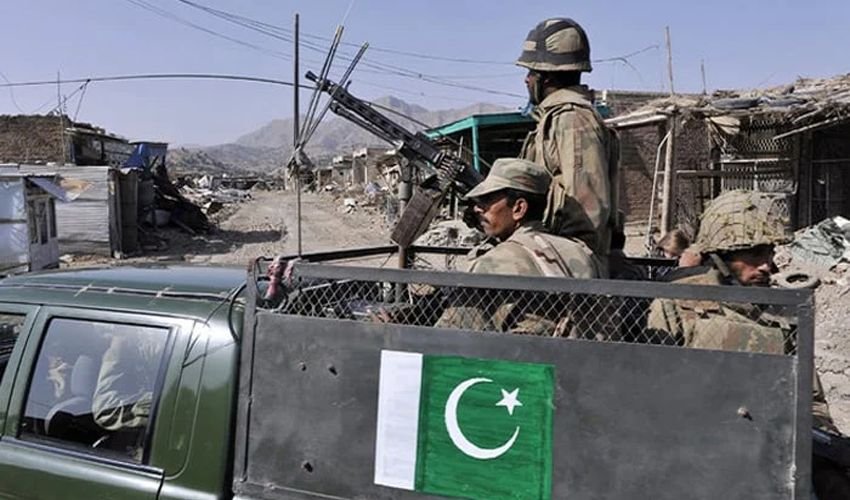
Despite these gains, Pakistan faces renewed hybrid threats:
- Cross‑border terrorism from Afghan territory, potentially supported by external actors.
- Information warfare and disinformation campaigns aimed at undermining national cohesion.
- Economic disruption via sanctions lobbying and trade barriers.
- False‑flag operations to justify escalation or diplomatic coercion.
India in a Quandary
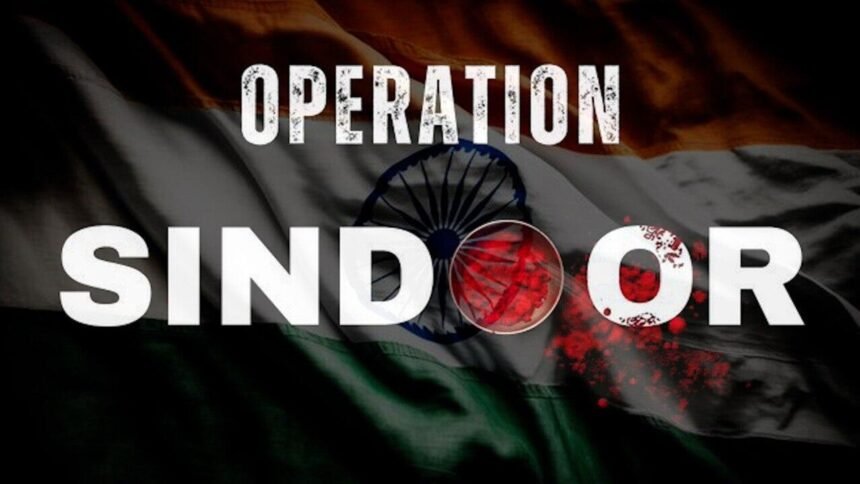
India is still reeling from its defeat in May 2025 and is attempting to mask that setback with assertive rhetoric and aggressive narratives. Indian political and media circles have been disseminating contradictory accounts — denying own losses, inflating enemy losses by peddling fake news, and suggesting that Operation Sindhoor has only been paused and will resume with renewed vigor.
Behind the bluster, however, India faces awkward strategic and political questions. How could a state with a USD 4 trillion economy, a large defence budget, and extensive foreign partnerships be so unsettled by a militarily smaller neighbour? The shock of the four-day encounter on 10 May overturned many assumptions and elevated Pakistan’s regional standing.
For more than two decades India’s covert campaign against Pakistan — including proxy support inside Pakistan — aimed to bleed Pakistan economically and politically. The recent conflict, and Pakistan’s performance in it, has forced a recalibration of regional perceptions.
India’s Post‑Conflict Posture
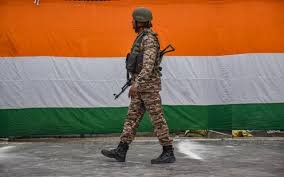
India’s leadership, seeking to offset reputational damage, is pursuing a three‑pronged strategy:
A. Narrative Management: Through diplomatic messaging and media campaigns, New Delhi aims to frame the conflict as inconclusive while reaffirming its global partnerships.
B. India is accelerating proxy war by reopening eight consulates and expanding intelligence presence along Pakistan’s western border. India is strengthening its foothold and deepening ties with Afghanistan — and with groups opposed to Pakistan —revitalizing supply routes through Chabahar to provide military hardware to the Afghan military and the anti-Pakistan proxies.
C. Military Modernization: Accelerated force restructuring includes new drone platoons, strike brigades, and naval expansions. Exercises along the western border and in the Arabian Sea underscore a renewed emphasis on readiness.
D. New force structures, acquisitions and exercises indicate a drive to reform and modernize. Recent announcements on raising specialized battalions, drone platoons, and fast-moving formations reflect doctrinal adjustments. Naval and tri-service drills in the Arabian Sea, along with upgrades to strike and surveillance capabilities, signals India’s hostile intentions.
Pakistan warnings
Pakistan has publicly warned that any renewed cross-border aggression will be met with a strong response. The military has demonstrated readiness across air, land and sea, and remains clear that responses would be calibrated and decisive. Pakistan’s strategic posture emphasizes deterrence across conventional and strategic domains.
Mix of Kinetic/Non-kinetic Clash
While the risk of escalation cannot be ignored, the current environment suggests both sides remain mindful of the catastrophic costs of full-scale war. Political signalling, proxy activity, and limited kinetic probes are more probable than an all-out conventional campaign.
Policy Implications and Recommendations
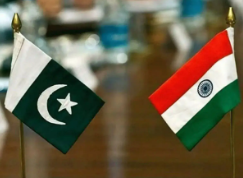
For Pakistan:
- Maintain strategic deterrence and readiness along both eastern and western borders.
- Institutionalise inter‑agency coordination for counter‑hybrid warfare.
- Expand economic resilience through diversified trade and energy partnerships.
- Continue strategic communication to reinforce Pakistan’s role as a responsible nuclear power and stabilizing force.
For Regional Partners:
- Support dialogue mechanisms between nuclear‑armed neighbours to prevent inadvertent escalation.
- Encourage Afghan neutrality and regional connectivity projects under multilateral guarantees.
- Promote calibrated US‑China engagement in South Asia to reduce zero‑sum competition.
Conclusion
The South Asian security environment remains fluid, but the strategic pendulum is shifting. Pakistan’s recent gains in deterrence and diplomacy have altered regional dynamics calculations. India is responding with a mix of military modernization and indirect pressure.
The coming days, weeks and months will test the robustness of deterrence, the effectiveness of diplomacy, and the capacity of regional actors to manage escalation.
Sustaining strategic gains requires vigilance, internal cohesion, and proactive diplomacy to consolidate Pakistan’s emerging role as a key regional stabilizer.