
The September 9 Israeli airstrike on Doha has sent shockwaves through the Middle East, shaking the very foundations of the Gulf security system. It was the first time Israel directly targeted Qatari territory, marking a dramatic escalation in its military operations beyond Gaza, Lebanon, and Syria. The attack has sparked outrage across the Arab and Muslim worlds, while also accelerating a geostrategic realignment.
For decades, Arab states have relied on the United States for their defense, viewing Washington as the ultimate guarantor of Gulf security. Today, that trust is eroding. Many Gulf capitals are now questioning whether America can still provide protection, and some are quietly exploring alternative security frameworks with countries like China, Russia, and Muslim-majority nations including Pakistan and Turkey.
In an effort to calm tensions, U.S. President Donald Trump personally reached out to Qatar’s leadership, assuring them that “such a thing will not happen again.” While Washington denied involvement, claiming it was only informed shortly before the operation, the damage was done. The perception that the U.S. was unable to prevent or even control its closest ally, Israel, has left a dangerous vacuum.
A senior Gulf diplomat summed up the mood, saying this moment may prove to be a turning point: “For the first time, Arab leaders are actively considering defense arrangements that do not depend solely on Washington.”
The Strike and Its Immediate Impact
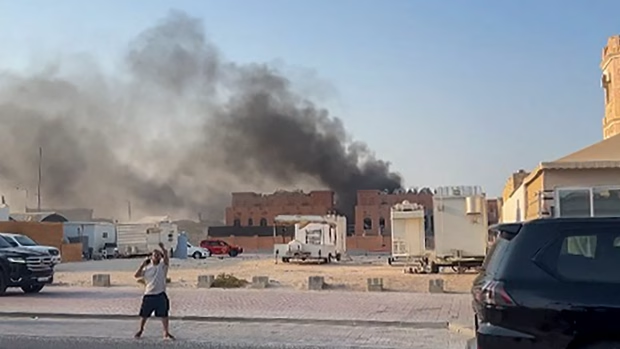
On the evening of September 9, Israeli jets carried out strikes on what Tel Aviv claimed were Hamas command centers in Doha. Prime Minister Benjamin Netanyahu defended the move by comparing it to the U.S. raid that killed Osama bin Laden. This comparison drew widespread condemnation as inflammatory and reckless, even from countries that usually maintain close ties with Israel.
For Qatar, the attack was not only a violation of sovereignty but also an attempt to undermine its diplomatic role in Gaza ceasefire negotiations. In response, Doha launched strong diplomatic protests and began exploring changes to its regional alliances, including toughening its position within the Gulf Cooperation Council.
Pakistan’s Swift Response
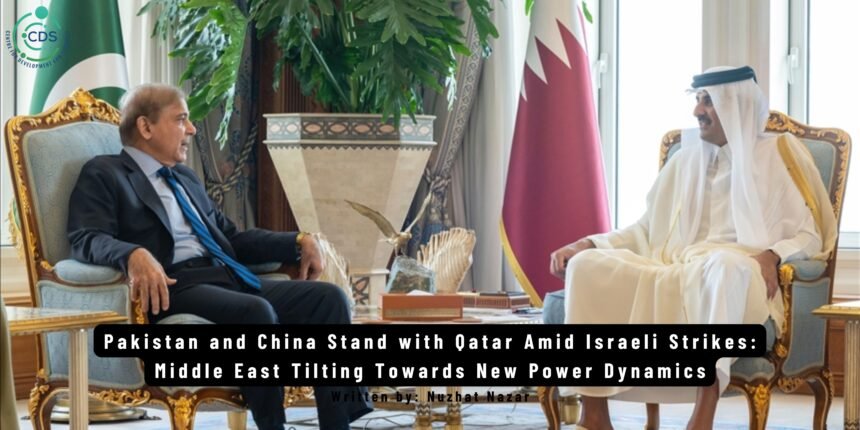
Prime Minister Muhammad Shehbaz Sharif was among the first world leaders to act. On September 11, he traveled to Doha for urgent talks with Emir Sheikh Tamim bin Hamad Al-Thani. During the visit, he condemned the attack as a “blatant violation of international law and Qatar’s sovereignty,” offered condolences to the victims, and called for unity among Muslim nations to deter future aggression.
“Pakistan stands shoulder to shoulder with Qatar. This attack is not only against a brotherly nation but against the very principles of sovereignty and peace,” he declared.
Islamabad also pushed for an emergency session of the United Nations Security Council and fully backed Qatar’s call for an Extraordinary Arab-Islamic Summit in Doha.
At the UNSC meeting, Pakistan’s Ambassador Asim Iftikhar highlighted a dangerous pattern of Israeli strikes across the region and warned that targeting a mediator like Qatar was an attempt to derail Gaza peace talks. While the Council passed a resolution condemning the attack, it avoided directly naming Israel due to U.S. resistance to open confrontation with Tel Aviv.
The Doha Summit: A Defining Moment
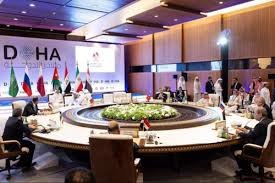
The Extraordinary Arab-Islamic Summit scheduled for September 15 is shaping up to be the most significant diplomatic gathering in years. Co-sponsored by Pakistan, it aims to forge a unified response to both the Doha attack and the broader Israeli campaign in Gaza and the West Bank.
Foreign ministers will meet a day earlier to finalize strategies, with Pakistan represented by Deputy Prime Minister and Foreign Minister Senator Ishaq Dar.
The summit’s agenda includes collective condemnation of Israeli actions, a coordinated plan for diplomatic action at the United Nations, humanitarian relief mechanisms for Gaza, and discussions on creating a shared security framework among Muslim-majority states.
A senior Pakistani official noted, “The Muslim world is united in its demand for justice for Qatar and Palestine. This summit is about showing that unity is not just symbolic but actionable.”
China Steps In
As Washington struggles to balance conflicting interests, China has been quick to act. Beijing issued a strong condemnation of the strike, warning that it could destabilize the region and disrupt vital energy routes. This is part of China’s growing role in the Middle East, following its success earlier this year in mediating between Saudi Arabia and Iran.
A senior Pakistani diplomat observed, “China’s position has been decisive. Where Western powers hesitate, Beijing steps forward. This is why countries like Pakistan and Qatar increasingly see China as a trusted mediator.”
China’s approach has three main strengths. Its massive economic footprint through the Belt and Road Initiative gives it a vested interest in regional stability. Its diplomatic neutrality allows it to maintain relations with countries on opposing sides of conflicts. And its focus on long-term solutions rather than quick fixes appeals to leaders looking for lasting peace rather than temporary ceasefires.
The U.S. Struggles to Reassure Allies
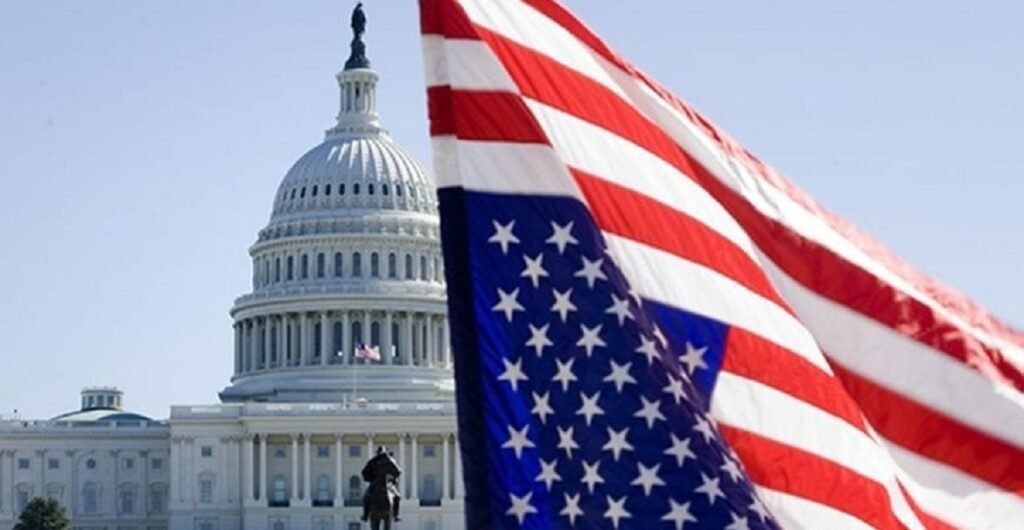
The United States has attempted to walk a fine line, condemning the strike privately while avoiding direct criticism of Israel. President Trump’s assurances to Qatar were aimed at calming tensions, but many regional observers see them as insufficient.
Inside Israel, divisions have surfaced. Reports suggest Mossad opposed the strike, warning it could jeopardize sensitive back-channel negotiations. Netanyahu, however, overruled these concerns, prioritizing a show of strength over diplomacy.
This dynamic has left Arab states feeling vulnerable and questioning whether Washington can still guarantee their security. The more this perception grows, the greater the space for China to expand its influence.
Shifting Regional Dynamics
The Doha attack has accelerated three key trends. Gulf states are diversifying their security partnerships, exploring cooperation with China and Russia while also strengthening regional defense ties with countries like Pakistan and Turkey. Economic projects like the Belt and Road Initiative are increasingly seen as dual-use infrastructure serving both trade and security needs. And there is renewed interest in revitalizing collective diplomatic platforms such as the OIC and Arab League.
A senior regional source put it plainly: “This strike has changed calculations. Arab states will now think beyond Washington when planning for their future security.”
Pakistan and China: A Growing Partnership
For Pakistan, the crisis highlights its deepening alignment with China. Both nations share an interest in protecting smaller states from unilateral aggression, maintaining stability in the Gulf for energy and trade, and promoting a rules-based order that resists selective enforcement by powerful countries.
At the UNSC, China echoed Pakistan’s calls for accountability, signaling a strong partnership in shaping regional diplomacy. This joint stance positions both nations as potential co-facilitators of future peace processes.
Looking Ahead
The upcoming summit in Doha could mark the beginning of a new phase in Middle Eastern geopolitics. Israel’s aggressive policies risk isolating it even among former allies. China’s mediator role is expanding, offering an alternative to U.S.-centric diplomacy. Pakistan’s active engagement places it at the center of efforts to unite the Muslim world.
The September 9 strike was more than a military incident. For Qatar, it was a direct challenge to sovereignty. For Pakistan, it was a call to action. And for China, it was an opportunity to reshape the balance of power in one of the world’s most volatile regions.
As Prime Minister Shehbaz Sharif prepares to return to Doha, the stakes could not be higher. Whether Muslim nations can translate outrage into a coherent strategy will determine whether this moment becomes a turning point or just another chapter in a long cycle of instability.