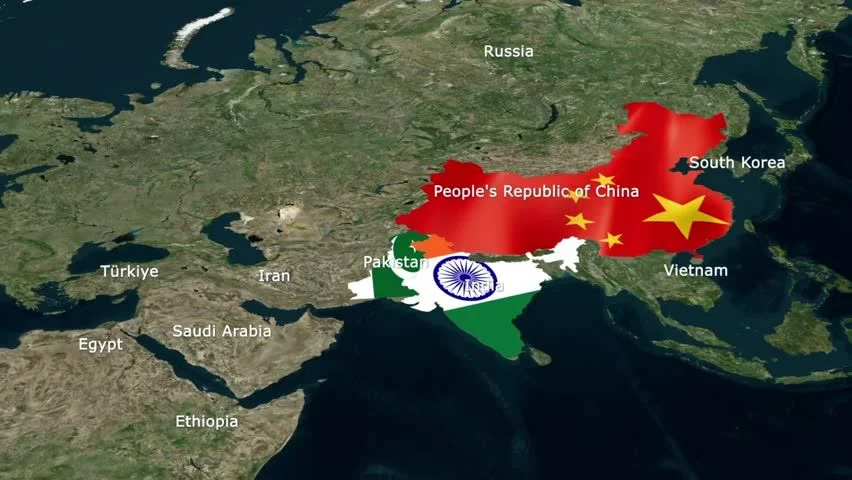

Pakistan has once again publicly aligned itself with China on issues related to Beijing’s sovereignty and territorial integrity, reaffirming its long-standing position amid renewed controversy over the region China refers to as “Zangnan,” known to India as Arunachal Pradesh.
During his weekly media briefing, Foreign Office spokesperson Tahir Andrabi responded to questions about Indian media commentary on China’s stance regarding Zangnan by stating that Pakistan “reiterates full support to China on matters pertaining to its sovereignty and territorial integrity.” While the statement was brief, its timing and context gave it diplomatic weight.
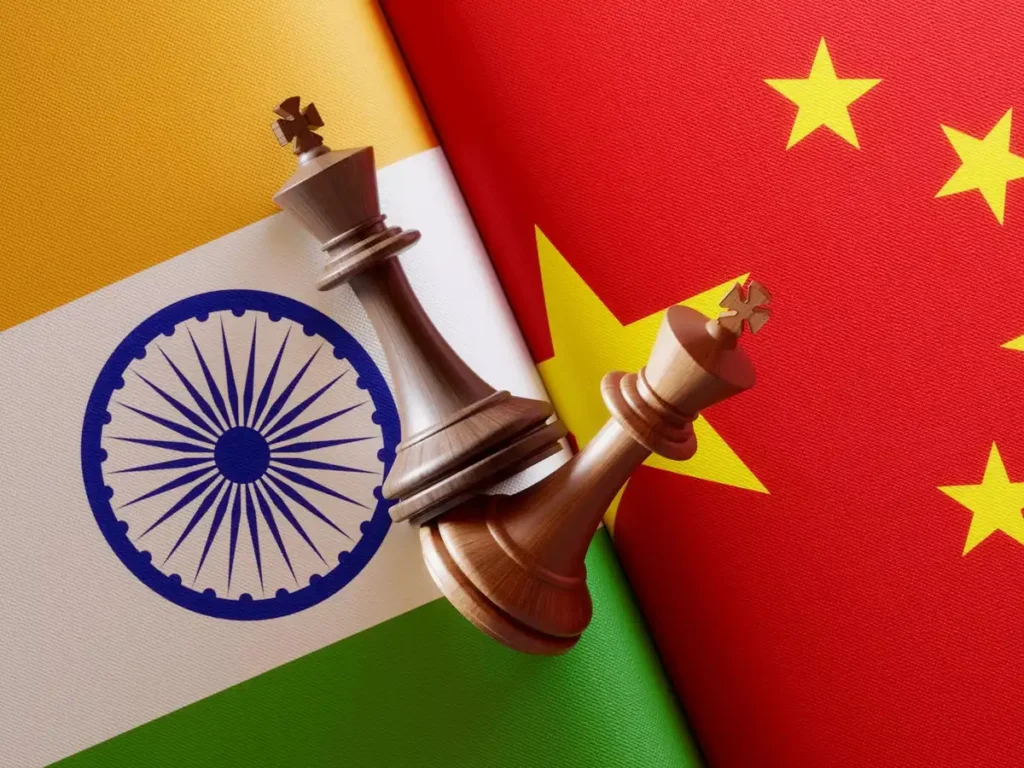
The comments come at a sensitive moment in India–China relations. Tensions have escalated following China’s objections to Indian political activities in Arunachal Pradesh and Beijing’s continued use of Chinese nomenclature for places in the region. India, in turn, maintains that Arunachal Pradesh is an integral part of its territory and rejects any external claims as baseless.
Arunachal Pradesh, a strategically located northeastern Indian state bordering China, Bhutan and Myanmar, has been a core dispute between New Delhi and Beijing since the early years of the People’s Republic of China. China considers the area part of South Tibet and disputes the McMahon Line, the colonial-era boundary drawn between British India and Tibet, which India accepts as its legitimate border.
The disagreement is not new, but it has taken sharper form in recent years. Following the 2020 military clash in eastern Ladakh that resulted in casualties on both sides, trust between China and India has significantly eroded. Since then, Beijing has repeatedly released lists of Chinese names for locations in Arunachal Pradesh, a move India sees as an attempt to assert cartographic and political claims without changing facts on the ground.
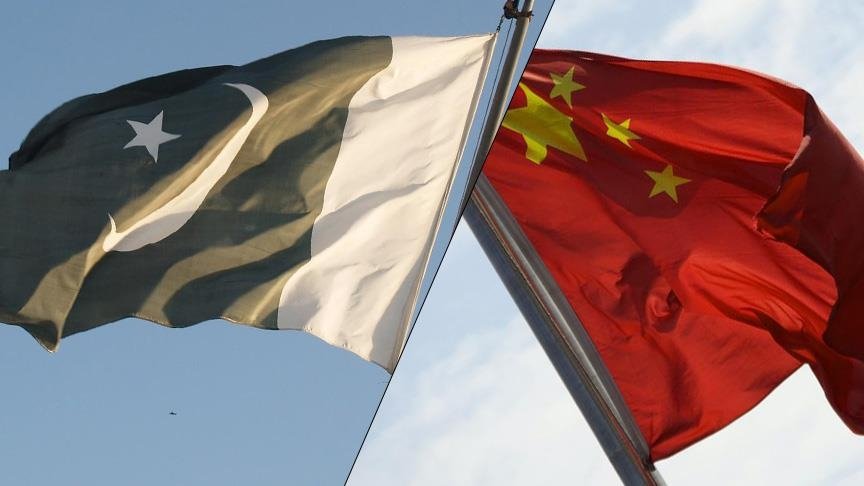
Pakistan’s reiteration of support for China must be viewed in this broader regional context. Islamabad has consistently backed Beijing on matters it defines as core interests, including Taiwan, Hong Kong, Xinjiang, and now, increasingly, territorial disputes involving India. In return, China has supported Pakistan’s position on Jammu and Kashmir at international forums and reaffirmed its commitment to Pakistan’s security and sovereignty.
From Islamabad’s perspective, the stance reflects a principled continuity rather than a shift in policy. Pakistan positions itself as opposing what it sees as unilateral actions and rejects Indian narratives on territorial disputes, whether related to Kashmir or the India–China border. The alignment with China also reflects the depth of the bilateral strategic partnership, which spans defence cooperation, economic ties under the China-Pakistan Economic Corridor, and shared regional concerns.
For India, however, Pakistan’s remarks add another layer of complexity to an already strained regional environment. New Delhi perceives such statements as political signalling aimed at reinforcing a China-Pakistan convergence against India. While Pakistan is not a direct party to the India–China boundary dispute, its vocal support for Beijing reinforces the perception of a two-front diplomatic challenge.
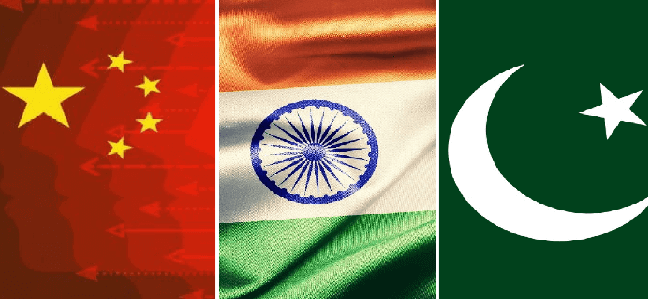
Despite the rhetoric, none of the three countries appears interested in escalating tensions beyond words at this stage. China and India continue negotiations through military and diplomatic channels to manage border tensions, even as disputes over maps, terminology, and sovereignty persist. Pakistan, meanwhile, continues to underscore its strategic alignment with China while criticising India on issues it considers central to regional stability and justice.
In essence, Pakistan’s statement may appear routine, but it sends a clear signal. It reflects the consolidation of a regional alignment in which sovereignty claims, territorial narratives, and strategic partnerships are increasingly interconnected. In South Asia, where borders remain unsettled and memories of conflict are fresh, even a single sentence carries strategic meaning.
As India, China, and Pakistan navigate this complex triangle, such statements serve as reminders that regional geopolitics is shaped not only by troop movements and negotiations, but also by words, timing, and the alliances they reaffirm.