
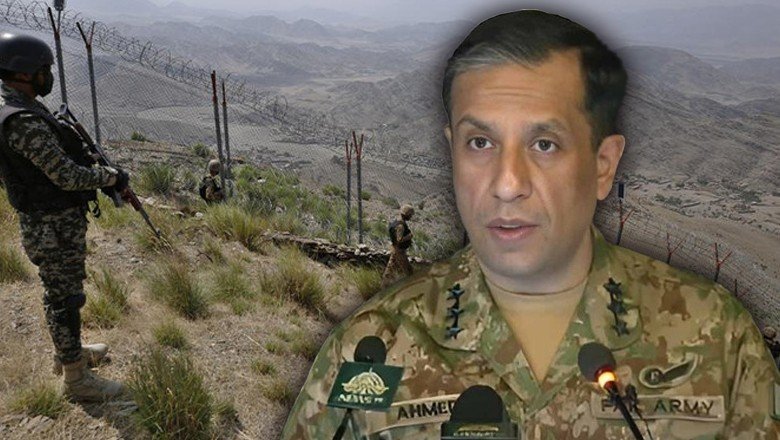

Pakistan has made it clear that it will not accept any conditions set by Afghanistan, reaffirming that the only matter of importance is the complete elimination of terrorism. This message came directly from Director-General Inter-Services Public Relations (ISPR), Lieutenant General Ahmed Sharif Chaudhry, during a detailed closed-door briefing to senior journalists on Monday. His statement comes amid a fragile truce between Pakistan and Afghanistan following rounds of peace talks held in Doha and Istanbul.
- Pakistan’s Firm Stand Against Terrorism
- The Istanbul Talks and Their Outcome
- Drugs, Militants, and Cross-Border Crime
- Evidence of Afghan Involvement
- Rising Border Tensions
- The Role of Regional Mediators
- Future Prospects: A Fragile Path Ahead
- The author, Anum Malik, is affiliated with the State News Agency and voluntarily contributes her research to the think tank, CDS.
- *The views and opinions expressed herein, and any references, are those of the author and do not necessarily reflect the editorial policy of the Centre for Development and Stability (CDS).
Pakistan’s Firm Stand Against Terrorism
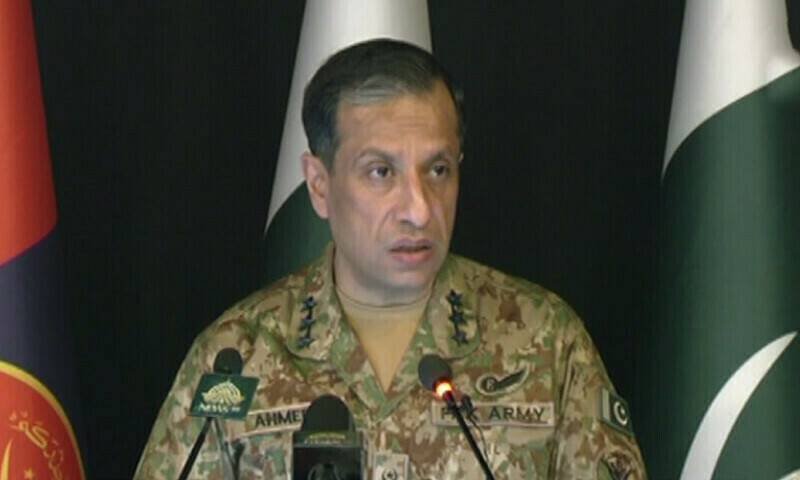
Lt Gen Ahmed Sharif Chaudhry stated unambiguously that “the conditions set by Afghanistan hold no significance,” emphasizing that Pakistan’s sole concern is to root out terrorism in all its forms. He further clarified that the guarantors of Pakistan’s security are its own armed forces, not any foreign entity or neighboring government.
He stressed that Pakistan has never celebrated the rise of the Taliban in Afghanistan, contrary to some narratives. Instead, the country’s focus has remained on securing its borders and protecting its citizens. Ongoing counter-terrorism operations, he noted, have successfully neutralized over 1,600 terrorists belonging to groups such as Tehreek-i-Taliban Pakistan (TTP) and the Balochistan Liberation Army (BLA).
The Istanbul Talks and Their Outcome
The latest round of discussions between Pakistan and Afghanistan took place in Istanbul on October 25, following an initial ceasefire agreement reached in Doha on October 19. These talks aimed to establish a concrete mechanism for monitoring Afghan Taliban actions to prevent cross-border attacks.
“In Istanbul, the Afghan Taliban were clearly told that they must control terrorism,” said Lt Gen Chaudhry. “How they do it is their responsibility. We carried out counter-terror operations, and the terrorists fled into Afghanistan. They must be handed over to us so we can deal with them under Pakistani law.”
His words underscored Islamabad’s growing frustration with Kabul’s inaction against anti-Pakistan militant outfits allegedly using Afghan territory as a safe haven. “There will be no talks with terrorists,” the DG ISPR affirmed, highlighting that Pakistan had already given the Afghan Taliban a strong message, which led to certain desired results.
Drugs, Militants, and Cross-Border Crime

Lt Gen Chaudhry also drew attention to the complex link between narcotics and terrorism in the region. He revealed that terrorist groups in Afghanistan earn between Rs1.8 million to Rs2.5 million per acre through opium cultivation, fueling their militant activities. “The entire population joins them, even warlords,” he explained, “and they all work together under the drug-terror nexus.”
The ISPR chief further stated that Afghan drug smugglers are deeply involved in the country’s internal politics, worsening instability. He warned that drug smuggling into Pakistan and beyond has become a major security concern, adding another layer of challenge to an already volatile regional situation.
Evidence of Afghan Involvement
Senior journalist Hamid Mir, who attended the ISPR briefing, revealed that journalists were shown evidence of Afghan Taliban soldiers’ involvement in terrorist acts within Pakistan. According to him, the same evidence was shared with the Afghan Taliban in Doha. These soldiers carried Afghan and Afghan Army identification cards.
This disclosure reinforces Pakistan’s long-standing stance that elements within Afghanistan are either unable or unwilling to curb cross-border terrorism.
Rising Border Tensions
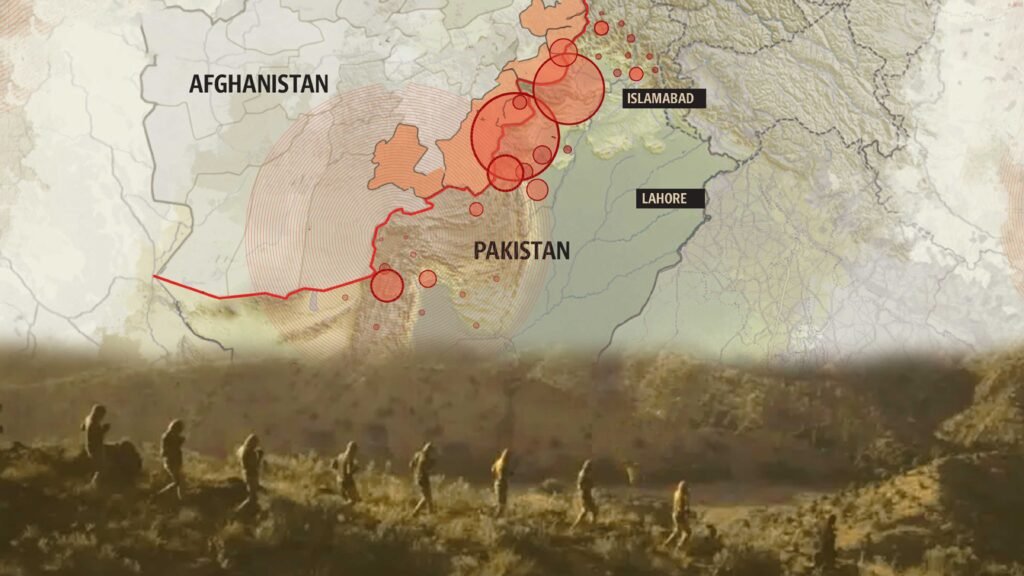
Tensions between Pakistan and Afghanistan have worsened over the past few weeks, marked by repeated border clashes, accusations, and counterclaims. The situation deteriorated after an attack launched from Afghan territory on October 11, which followed Afghan allegations of Pakistani airstrikes, a charge Islamabad neither confirmed nor denied.
Pakistan has persistently demanded that the Taliban regime prevent its soil from being used by terrorist groups. However, the Taliban have denied harboring such elements. Despite these assurances, the frequency of attacks on Pakistani soil, especially targeting security forces, has continued to rise.
In response, Pakistan launched precision strikes on camps of the Gul Bahadur group inside Afghanistan, signaling its readiness to act decisively when provoked. Eventually, both sides agreed to step back from escalating hostilities and met in Doha, achieving a temporary ceasefire that was later followed up with talks in Istanbul to seek a more lasting framework.
The Role of Regional Mediators
Both Turkey and Qatar have deep and historic ties with Pakistan and have played crucial roles in facilitating these dialogues. Qatar, in particular, was instrumental in earlier peace negotiations between the Taliban and NATO forces. However, despite the diplomatic efforts of these friendly nations, the core challenge remains Afghanistan’s inability, or lack of political will, to dismantle terrorist sanctuaries operating on its soil.
Future Prospects: A Fragile Path Ahead
The recent developments mark a critical phase in Pakistan-Afghanistan relations. While the ceasefire and ongoing talks are signs of engagement, the underlying mistrust between the two neighbors runs deep. Pakistan’s message is now crystal clear, peace will not be possible without the elimination of terrorism, regardless of political excuses or conditions from Kabul.
Moving forward, the sustainability of peace will depend on the Afghan Taliban’s actions, not promises. If they fail to curb militant groups, Pakistan may further tighten its border control and intensify its counter-terrorism operations. Cooperation from international partners such as Turkey and Qatar could help maintain diplomatic dialogue, but without Afghanistan’s commitment, the risk of renewed violence remains high.
For Pakistan, the road ahead demands resilience, intelligence-driven security measures, and continued diplomatic engagement. The message from Islamabad is firm and unwavering: peace will not come through words, but through decisive action against terror.