
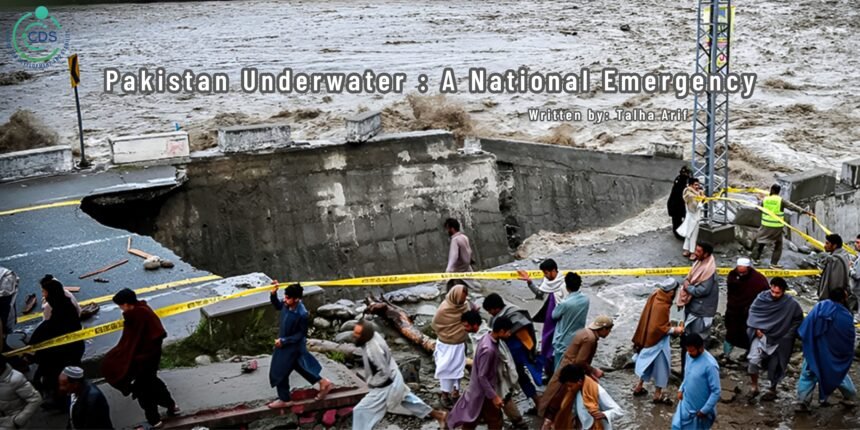

Pakistan is currently facing one of the most severe flooding emergencies in its history. Record-breaking monsoon rains have caused rivers to overflow, submerging villages, destroying crops, and threatening the lives of millions. The disaster has overwhelmed the country’s health system, damaged infrastructure, and placed enormous strain on an already fragile economy.
This crisis underscores the urgent need for immediate relief and long-term strategies to prevent such large-scale devastation in the future.
The Causes Behind the Crisis
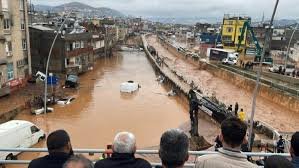
Experts point out that this year’s floods are not the result of monsoon rains alone but a combination of natural and human-driven factors.
- Excessive Rainfall: The 2025 monsoon season has been unusually intense, with rainfall exceeding the seasonal average by more than 100% in several regions. Overwhelmed drainage systems and reservoirs have led to widespread flooding.
- Glacier Melting: Rising global temperatures have accelerated the melting of glaciers in Gilgit-Baltistan and Khyber Pakhtunkhwa, adding excessive runoff to rivers such as the Indus and Jhelum.
- Deforestation and Erosion: Pakistan’s rapid deforestation has reduced the land’s ability to absorb rainfall, increasing surface runoff and flood peaks.
- Urban Mismanagement: Unplanned settlements along floodplains, coupled with weak drainage infrastructure, have left cities highly vulnerable.
- Climate Change: Beyond these immediate factors, climate change continues to amplify extreme weather patterns, making floods more frequent and unpredictable.
The Devastating Impact
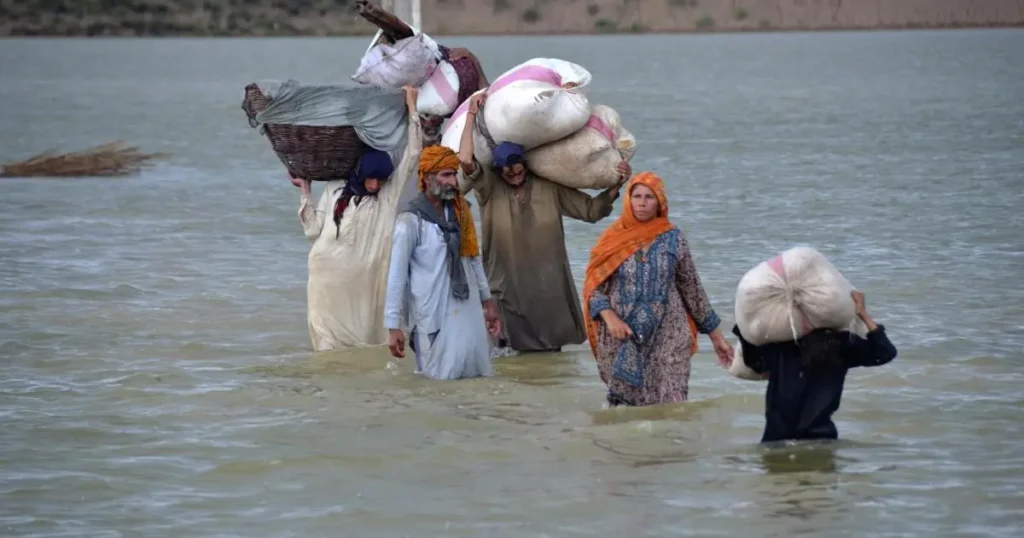
The floods have left deep scars across Pakistan, with consequences that extend far beyond physical damage.
- Humanitarian Crisis: Over 10 million people have been affected, and at least 1.5 million displaced into temporary shelters. Thousands have lost their lives, while many remain stranded in remote areas.
- Agricultural Loss: Farmlands in Sindh, Punjab, and Balochistan have been destroyed, wiping out key crops like rice, cotton, and wheat. This threatens food security and devastates rural livelihoods.
- Infrastructure Damage: Roads, bridges, railways, and power lines have been washed away, cutting off entire communities from aid and slowing recovery.
- Public Health Emergency: Contaminated water and stagnant pools have triggered outbreaks of cholera, dysentery, malaria, and dengue. Hospitals are overwhelmed.
- Economic Shock: Industries such as textiles and manufacturing face massive losses, while reconstruction costs are expected to run into billions.
- Psychological Trauma: Families who have lost loved ones, homes, and livelihoods are struggling with grief, fear, and uncertainty about the future.
Relief and Government Response
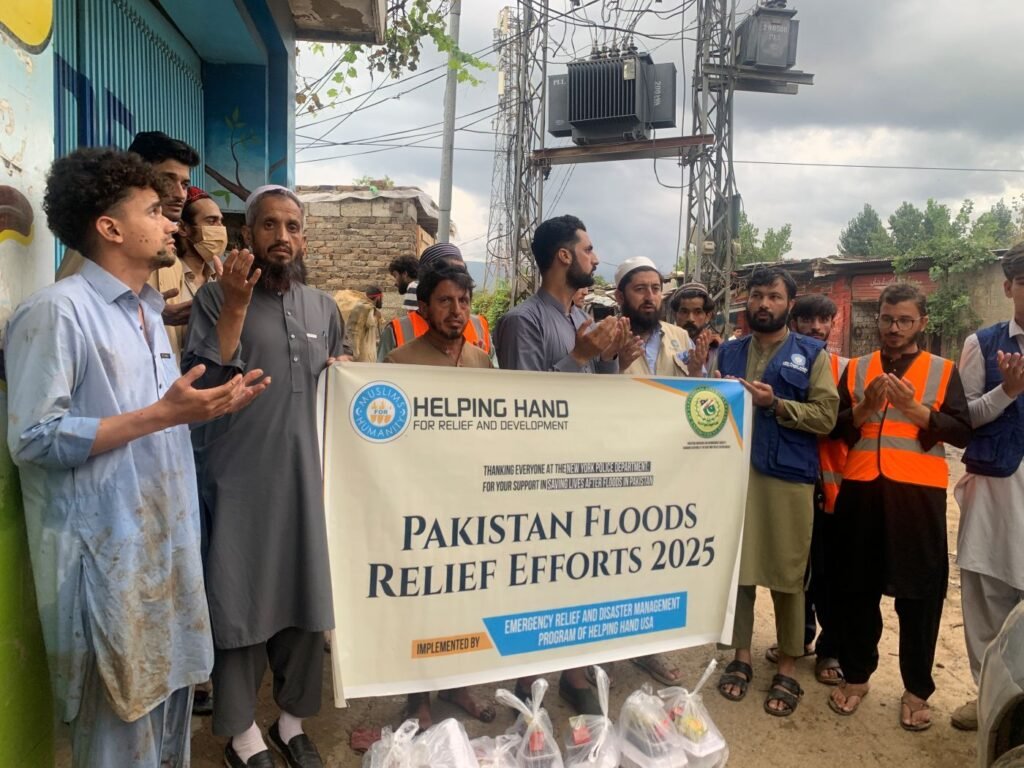
The government, supported by the military and humanitarian agencies, has launched rescue and relief efforts. Helicopters and boats are evacuating stranded people, while food, clean water, and medicines are being distributed. Temporary camps have been set up, but overcrowding and poor facilities remain a challenge.
On the rehabilitation front, funds have been announced for rebuilding homes, restoring agriculture, and reconstructing infrastructure. However, given the scale of destruction, recovery will require years of effort and significant international assistance.
The Way Forward
The floods serve as a reminder that Pakistan must shift from reaction to preparation. Building resilience is the only sustainable solution.
- Strengthen Flood Management: Invest in dams, levees, drainage systems, and early warning mechanisms.
- Climate Adaptation: Integrate climate policies into development planning and move towards renewable energy.
- Smarter Urban Planning: Avoid construction on floodplains and strengthen city drainage systems.
- Global Cooperation: Long-term recovery depends on international support in terms of funding, expertise, and climate action partnerships.
Conclusion
Pakistan’s flooding emergency is not only a humanitarian disaster but also a wake-up call. While relief operations are vital, the real challenge lies in addressing structural weaknesses that make the nation so vulnerable. With stronger policies, resilient infrastructure, and a commitment to climate adaptation, Pakistan can rebuild not just what was lost, but a safer future for generations to come.