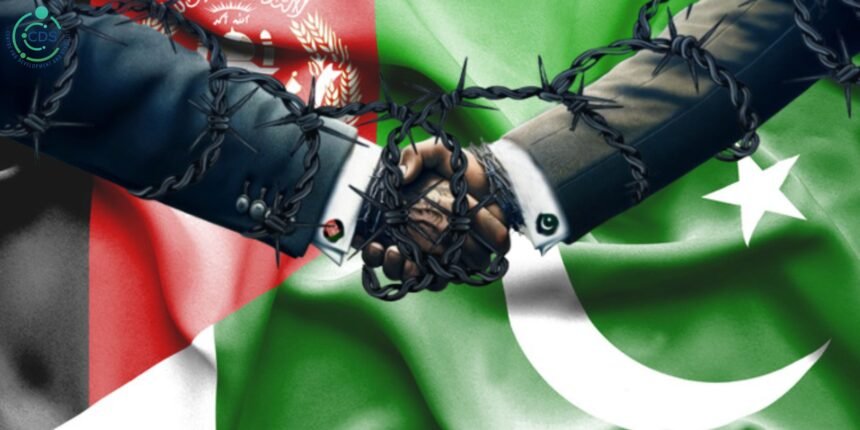

In recent weeks, the diplomatic door between Pakistan and Afghanistan swung open in Istanbul, only to slam shut without a lasting breakthrough. The peace process, meant to convert the temporary truce signed in Doha on 19 October into a sustainable mechanism, has faltered.
- Pakistan’s Track Record and Positive Role
- Why the Deadlock Occurred and Why Pakistan’s Concerns are Legitimate
- What Pakistan Should Do Next
- Why This Matters For Pakistan and the Region
- Conclusion
- The author, Anum Malik, is affiliated with the State News Agency and voluntarily contributes her research to the think tank, CDS.
- *The views and opinions expressed herein, and any references, are those of the author and do not necessarily reflect the editorial policy of the Centre for Development and Stability (CDS).
From Pakistan’s perspective, this failure is not merely a diplomatic disappointment; it is a serious threat to Pakistan’s national security, regional stability, and moral standing as a peace-seeking nation.
Pakistan’s Track Record and Positive Role
Pakistan has consistently signaled that it wants peace with its western neighbor. Despite the enormously difficult terrain, the legacy of conflict, porous borders and decades of insurgency, Pakistan has accepted mediation, hosted rounds of talks, and pursued negotiation rather than simply hitting the panic button. For example, Pakistan engaged in the Doha arrangement and then agreed to travel to Istanbul at the request of friendly states such as Qatar and Turkey.
Pakistan has also repeatedly expressed its willingness to accept credible assurances and verification mechanisms so that Afghan soil is not used for attacks inside Pakistan. Moreover, Pakistan’s sacrifices must be recognized. The information minister publicly acknowledged that Pakistan had held countless rounds of talks, but unfortunately, they have always remained indifferent to Pakistan’s losses. That means Pakistan has endured loss of personnel, loss of material, risk and instability, all while advocating for peace. The ceasefire of 19 October is itself a demonstration that Pakistan wanted to stabilize things and make the border safe again.
From the Pakistan side, it can proudly claim it has chosen the path of diplomacy, of mediation, of negotiation, with the belief that a stable Afghanistan is also on Pakistan’s best interest, trade, connectivity, security, refugees, and economic uplift. Pakistan’s vision is of a peaceful region rather than perpetual war.
Why the Deadlock Occurred and Why Pakistan’s Concerns are Legitimate
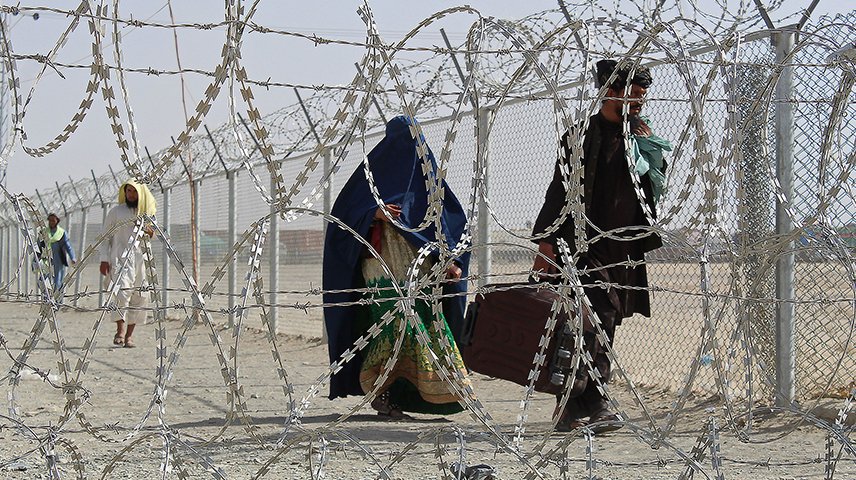
At the heart of the breakdown lies a simple but uncompromising requirement by Pakistan, Afghan territory must not serve as a safe haven for militants who carry out attacks into Pakistan. Both Pakistani security officials and public commentary point to the Tehrik‑e‑Taliban Pakistan (TTP) and other jihadist groups operating from Afghanistan as the core of their complaints. The Afghan side, in contrast, argues it lacks control over every group or that Pakistan is violating Afghan sovereignty.
Yet for Pakistan, the argument isn’t about blame so much as about action, verification, and prevention. According to Pakistani participants, the Afghan delegation in Istanbul repeatedly agreed but gave no assurance and kept deviating from the core issue.
In short, Pakistan sees itself as asking for the same rule of law and state responsibility it practices, and being met with ambiguity and delays. When your soldiers are being killed along the frontier, your people displaced, your trade routes shut, and your national security threatened, you cannot indefinitely negotiate without some concrete deliverables. The failure to agree on how to monitor, verify, and eliminate cross-border militancy is thus not a mere technicality; it is existential.
What Pakistan Should Do Next
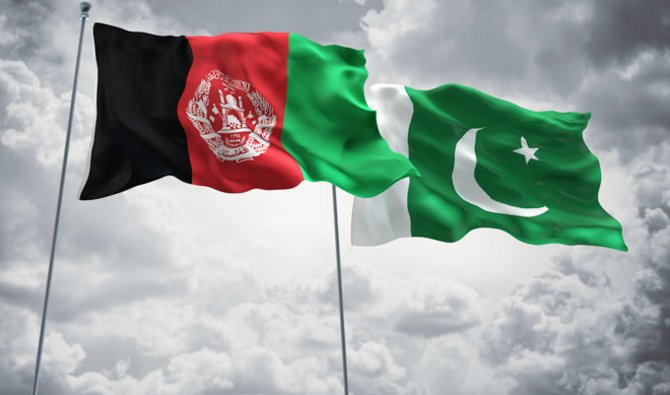
Given this context, here is what Pakistan should do in the coming days:
- Reaffirm the ceasefire, but prepare for dual tracks
Pakistan should publicly commit to maintaining the Doha ceasing of hostilities while also signaling that it reserves the right to act if threats persist. This dual approach shows Pakistan as responsible but resolute. The border must stay calm while diplomacy continues, giving breathing space to both sides and to mediators.
- Demand actionable benchmarks
Pakistan should insist that concrete benchmarks underpin any renewed negotiations, such as a timetable within which Afghan authorities will neutralize or hand over TTP leadership, a joint border-monitoring mechanism, and independent verification by a third party. Without measurable commitments, future talks risk the same failure.
- Mobilize regional and international support
Pakistan should engage friendly states (Qatar, Turkey, and China, possibly the U.S.) to press Kabul’s government to deliver. The mediation must shift from abstract promises to enforceable diplomacy. Involving more regional stakeholders increases pressure and legitimacy.
- Keep the narrative of peace alive while signaling readiness
Pakistan must maintain its moral high ground, emphasize that it desires peace, connectivity, trade, prosperity, not perpetual war. At the same time, it must underline that its patience is exhausted, and that continued inaction by Afghanistan will force Islamabad’s hand. The message: “We prefer diplomacy, but will not remain passive.” As the Information Minister put it: “The security of its people is of paramount importance; we will continue to take all possible measures necessary.”
- Look inward and strengthen frontier resilience
Pakistan should intensify its border-defence infrastructure, intelligence sharing, and local community support in the border districts. If negotiations stall, Pakistan must be ready to protect its citizens and territory without over-reliance on Afghan cooperation. A strong domestic base strengthens its hand in diplomacy.rritory without over-reliance on Afghan cooperation. A strong domestic base strengthens its hand in diplomacy.
Why This Matters For Pakistan and the Region
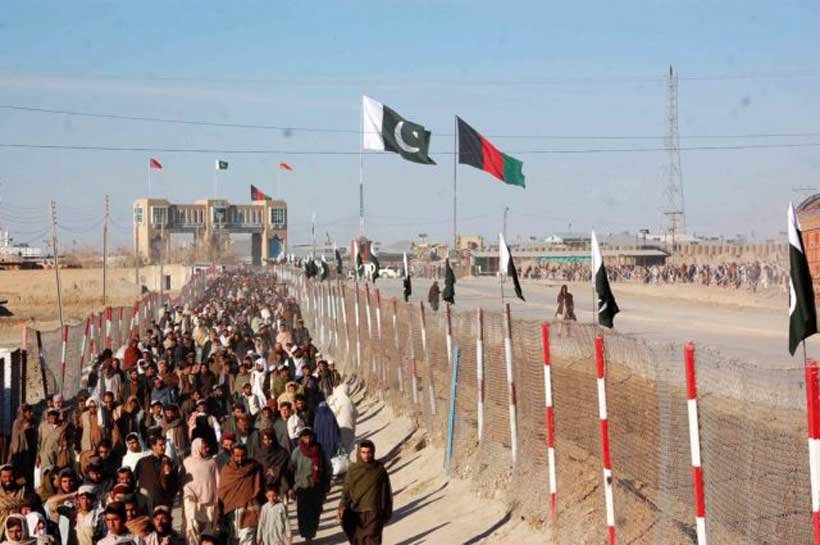
A stable Afghanistan is not only a neighborly gift, but it is a strategic necessity for Pakistan. If Afghanistan becomes a launching pad for militant attacks, Pakistan’s internal security will suffer, regional trade links will be disrupted, refugees will flow, and trust in state institutions will erode. Conversely, if Pakistan can help bring Afghanistan into a cooperative mode, where cross-border militancy is controlled, trade and transit are restored, and both capitals can focus on development, the benefits are profound: improved economic corridors, enhanced connectivity (CPEC, regional trade), fewer security expenditures, and more resources for domestic needs.
Pakistan’s positive role here is to act as the facilitator of stability, not only for itself, but for South and Central Asia. It has shown willingness to negotiate; it seeks a peaceful settlement rather than punitive revenge; and it champions regional cooperation.
Conclusion
The collapse of the Istanbul talks may look like a setback, but it cannot be the end of the story. Pakistan has made its position very clear: no sustainable peace without verifiable guarantees that Afghan soil will not be turned into a springboard for attacks.
If Afghanistan cannot or will not deliver, then Pakistan must both maintain the diplomatic door and keep open the means to defend its citizens.
For Pakistan; the moral is simple, you cannot build peace on shaky foundations. Diplomacy must lead to action; words must transform into measurable results.
Pakistan has taken the lead in seeking peace, but leadership demands follow-through. The next week and month will test whether Pakistan’s patience holds and whether its neighbor chooses cooperation over confrontation.