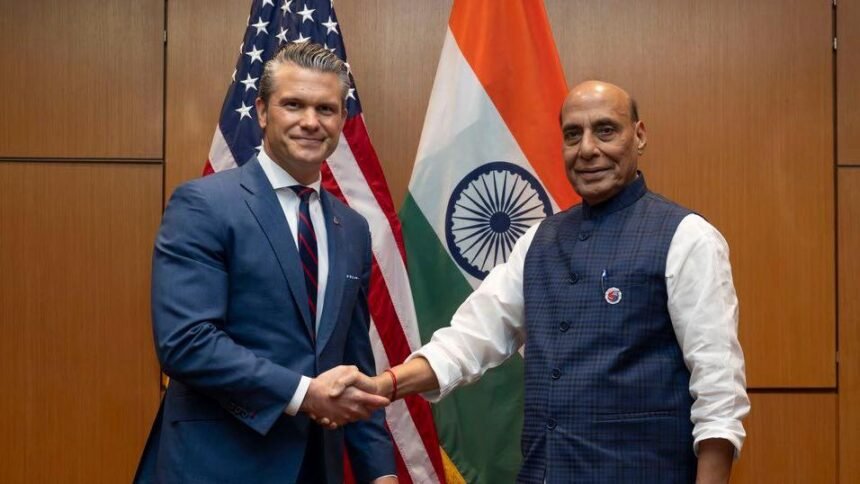

When US Defense Secretary Pete Hegseth and Indian Defense Minister Rajnath Singh met in Kuala Lumpur this week, their handshake and smiles were followed by a familiar announcement, a ten-year framework for defense cooperation between Washington and New Delhi.
On social media, Hegseth hailed it as a “milestone for regional stability” and “proof that US–India defense relations have never been stronger.” Yet, for seasoned observers, it felt more like a déjà vu moment than a historic breakthrough. The United States and India have signed similar defense pacts every decade since 1995, each time dressing them up with new phrases like “strategic partnership” and “technological collaboration,” but rarely achieving anything groundbreaking in substance.
This latest agreement titled Framework for the US–India Major Defense Partnership, is in reality, a continuation of old commitments, repackaged to fit Washington’s current Indo-Pacific ambitions and New Delhi’s regional aspirations.
A Pattern of Renewals
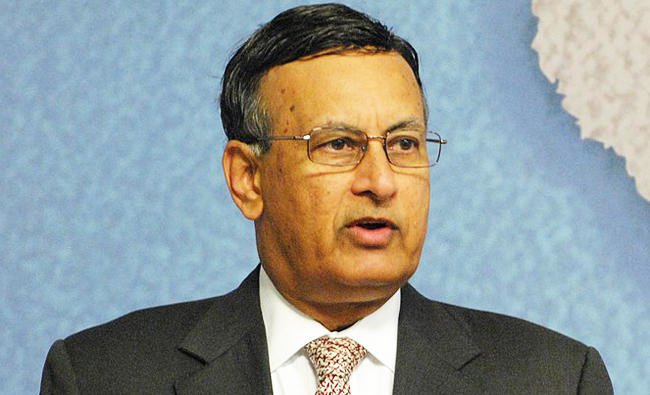
Former Pakistani Ambassador to the United States Hussain Haqqani summed it up bluntly on social media: “It seems the US signs the same old defense agreement with India every ten years.”
Indeed, history confirms the pattern. The first framework was signed in 1995, during President Bill Clinton’s tenure, marking the start of post–Cold War military engagement between the two countries. A second agreement — the New Framework for the US–India Defense Relationship — followed in 2005, under President George W. Bush and Indian Prime Minister Manmohan Singh, emphasizing defense trade, co-production, and joint research.
In 2015, President Obama and Defense Secretary Ashton Carter renewed the pact for another decade, promising co-development of military technologies and joint projects like advanced protective gear and hybrid power systems. That deal, too, was largely symbolic — a continuation of the previous framework, with little concrete progress on the ground.
Now, in 2025, the cycle repeats itself. The same themes re-emerge: interoperability, information exchange, and joint production. The rhetoric may sound new, but the script hasn’t changed.
India’s Militarization and the Regional Equation
The new pact comes at a time when India is intensifying its military build-up. The recently operational Nyoma airbase in Ladakh, located just 50 kilometers from the Chinese border, is a telling symbol of this posture. Situated at a staggering 13,700 feet above sea level, the base is capable of handling Rafale and Sukhoi-30 jets even in freezing conditions of −40°C.
New Delhi’s defense spending now surpasses Pakistan’s entire national budget. Yet, despite this massive outlay, India’s quest for security remains elusive — its militarization is driven more by politics than by defense logic.
Pakistan’s Foreign Office, in a statement following the new pact, expressed serious concern over India’s growing defense collaboration with Washington, noting that it threatens to disturb the already fragile regional balance. The spokesperson reiterated that Pakistan’s armed forces “are fully prepared to respond swiftly and forcefully to any adventurism.”
Such apprehension is not unfounded. India has a long record of using military partnerships to embolden its aggressive behavior toward its neighbors. From border skirmishes to covert operations, New Delhi’s regional policy has often been guided by hostility rather than harmony.
The Enduring Pak–China Axis
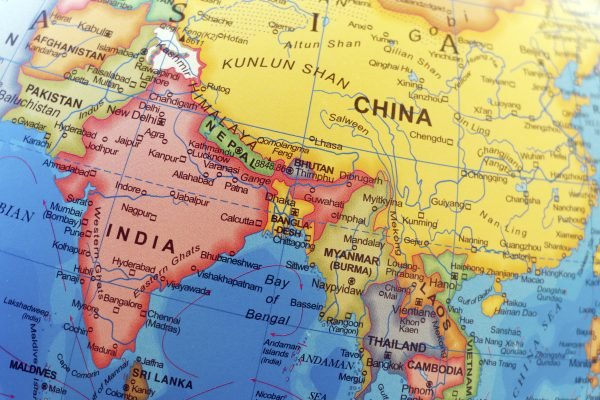
While India looks West for validation, Pakistan continues to deepen its strategic partnership with China, anchored in decades of trust, mutual respect, and shared goals.
In a recent interview with Global Times, Pakistan’s Chief of Naval Staff Admiral Naveed Ashraf revealed that under a $5-billion defense agreement, Pakistan will receive its first Chinese-made submarine next year. This milestone underscores how Islamabad and Beijing’s defense cooperation has matured beyond procurement — into joint development, training, and strategic coordination across naval, air, and cyber domains.
The Pakistan–China relationship remains an enduring pillar of regional balance, acting as a stabilizing counterweight to India’s expansionist ambitions. Unlike New Delhi’s transactional partnerships, Islamabad’s alliance with Beijing is based on mutual security, not political convenience.
America’s Calculated Gamble
For Washington, the renewed defense pact is another move in its long game of Indo-Pacific balancing — an effort to contain China’s rise by empowering India as a “democratic partner.” But in doing so, the United States risks undermining its own credibility as an impartial global player.
By arming an increasingly Hindutva-driven government under Narendra Modi, Washington inadvertently fuels militarism in a region that desperately needs dialogue. India’s ruling establishment has repeatedly manufactured crises — from the 2019 Pulwama-Balakot episode to the recent “Pahalgam drama” — to whip up nationalist sentiment and justify aggression against Pakistan.
Each time, Pakistan’s swift, disciplined, and proportionate response has exposed the myth of Indian invincibility. Under Field Marshal Syed Asim Munir’s leadership, Pakistan’s defense strategy continues to demonstrate not only deterrence but also strategic restraint — a balance that has earned global respect.
Former US President Donald Trump himself publicly acknowledged Pakistan’s success in downing multiple Indian aircraft, a rare admission that highlighted the professional superiority of Pakistan’s armed forces and the effectiveness of Chinese defense technology.
Lessons from History
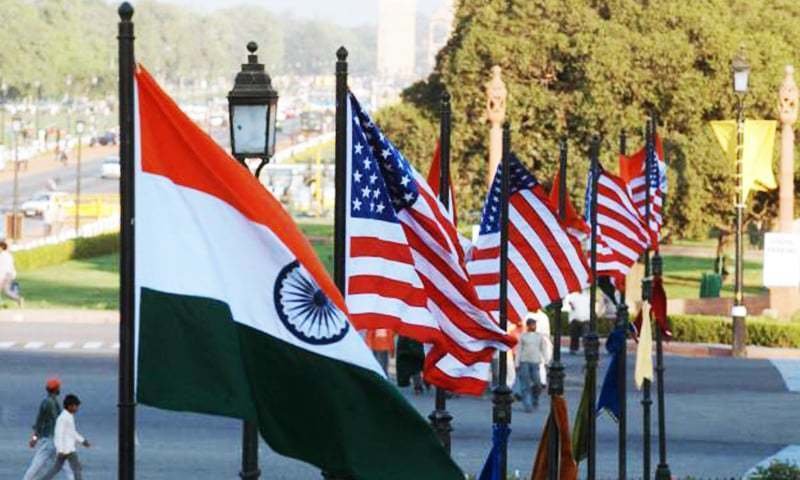
The United States has tried this formula before. Its deep military engagement with India has never translated into regional peace or deterrence stability. Instead, it has repeatedly emboldened Indian adventurism – leading to miscalculations that risk wider conflict.
The 1998 nuclear tests and subsequent sanctions, the Kargil war, and border stand-offs with China all followed phases of intensified US–India defense cooperation. Yet, each episode also reinforced a crucial lesson: military alliances without regional consensus lead to insecurity, not strength.
Today, as Washington renews its vows with New Delhi, it must ask itself whether it is empowering a responsible stakeholder or enabling a reckless actor. True regional stability cannot be achieved by one-sided militarization – it requires strategic balance, mutual respect, and credible deterrence, which Pakistan and China have long advocated.
Pakistan’s Clarity and Confidence
For Pakistan, the message is simple: stay vigilant, stay self-reliant, and stay balanced.
The country’s defense modernization — from submarines and drones to indigenous missile systems — ensures that its sovereignty remains uncompromised. Pakistan’s strategic partnerships with China, Türkiye, and other friendly nations reflect a diversified defense doctrine rooted in deterrence, not dependency.
Islamabad’s response to the latest US–India pact has been measured but firm: Pakistan will not be drawn into an arms race, yet it will not compromise its security either.
If India dares to repeat its past misadventures, no amount of American weaponry will shield it. Pakistan’s history is proof that aggression against it has always met with a decisive and unforgettable response.
Conclusion
The US–India defense agreement of 2025 is not a new chapter, it’s an old script replayed for political optics. Behind the diplomatic smiles lies a deeper tension: India’s quest for dominance and America’s search for leverage in Asia.
Pakistan, meanwhile, stands anchored in strategic clarity and composure. Backed by its professional armed forces and steadfast allies, it continues to pursue peace from a position of strength.
In a region where power games often masquerade as partnerships, Pakistan’s resilience remains its greatest weapon, and its unity, the ultimate guarantee of lasting security.