
Terror Attacks in Baluchistan
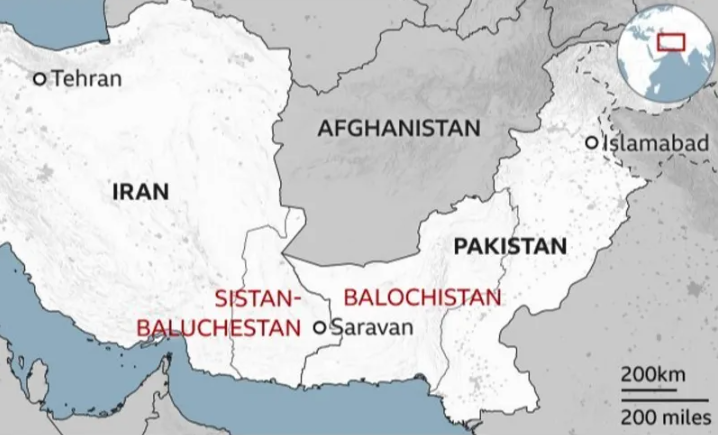
On 31 January 2026, Indian-sponsored terrorists operating under Fitna al-Hindustan launched coordinated attacks across multiple locations in Balochistan, including Quetta, Mastung, Nushki, Dalbandin, Kharan, Panjgur, Gwadar, and Pasni. These attacks followed earlier assaults in Harnai and Panjgur districts, which were successfully repulsed by Pakistan’s security forces, resulting in heavy terrorist losses.
Earlier encounters, including a decisive operation on Quetta’s Ganj Bypass and a heliborne assault in Pasni, further weakened terrorist networks. The pattern, scale, and timing of these attacks clearly indicated a centrally orchestrated campaign.
RAW-Orchestrated Terror Campaign
The coordinated strikes on at least twelve targets—including naval installations at Gwadar and Pasni, Frontier Corps headquarters, police stations, and transport infrastructure—were planned by India’s RAW and facilitated through Afghan territory.
The attackers employed suicide bombings, direct assaults on security installations, a prison break in Mastung, and railway sabotage, aiming to create widespread chaos.
Intent and Design
The intent behind these acts was to paralyse governance, disrupt development, and terrorise the civilian population. In Gwadar and Kharan districts, terrorists deliberately targeted innocent civilians, resulting in the martyrdom of eighteen non-combatants, including women and children.
A key objective was to temporarily seize a city or a strategic installation to draw international attention and manufacture political leverage.
Pakistan’s Swift Response
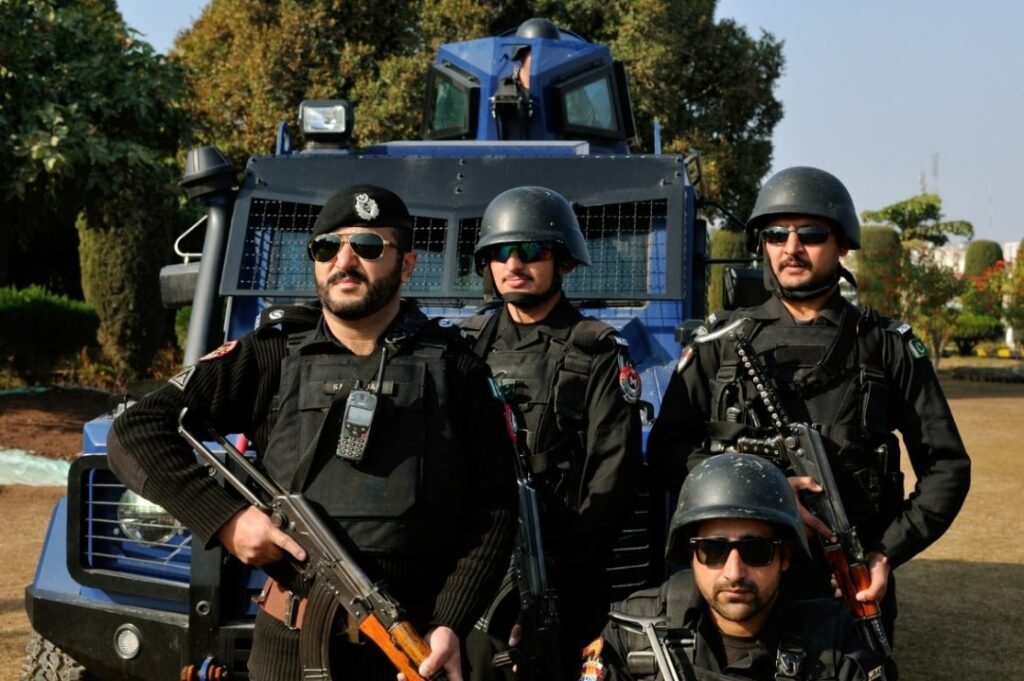
Pakistan’s Security Forces and Law Enforcement Agencies responded swiftly and decisively. Within hours, twelve coordinated attacks were foiled, and ninety-two terrorists, including suicide bombers, were eliminated.
Sustained intelligence-based operations sealed all escape routes of Bashir Zeb, the BLA’s ringleader, placing his network under severe pressure. Clearance and sanitisation operations continue across vulnerable districts.
During these operations, seventeen personnel from the Police and Frontier Corps embraced shahadat while defending the nation. Emergency measures were implemented, including hospital alerts and temporary suspension of rail services.
Sustained military pressure has shattered the BLA’s command-and-control structure. By 02 February, over 177 terrorists had been eliminated across Balochistan.
Intelligence assessments confirm that the attacks were directed by handlers operating from outside Pakistan, maintaining real-time communication with the attackers.
The Government of Balochistan has announced strict legal and administrative action against families of terrorists who fail to report or formally disassociate themselves, including travel bans, asset freezes, and termination of government benefits.
Middle East Crisis
Significantly, attacks in Baluchistan coincided with a rapidly escalating crisis involving Iran. The deployment of US forces in the Arabian Sea and Iran’s heightened military readiness raised the spectre of a wider regional war.
US-Israel Calculus
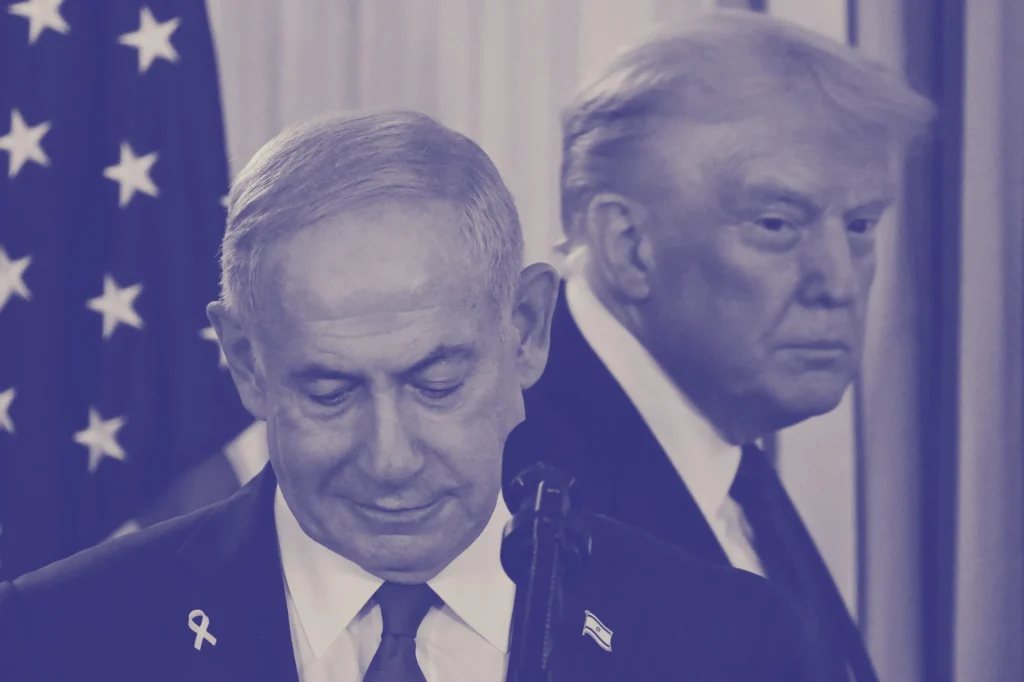
Egged on by Israel, the US appears determined to neutralise Iran’s nuclear and missile capabilities or engineer regime change. Tel Aviv views Iran as the final obstacle to its ambition of “Greater Israel.”
Israel has already weakened Iran’s outer security ring—Hezbollah in Lebanon, militias in Syria and Iraq, Hamas in Gaza, and the Houthis in Yemen. Coupled with sanctions-induced economic stress and damage from the recent 12-day conflict, Israel perceives Iran as vulnerable.
Foreign-instigated unrest aimed at toppling Iran’s Islamic regime and installing a pro-Western leadership—possibly under exiled Reza Pahlavi—failed due to a firm security crackdown. The majority of Iranians remain opposed to externally imposed regime change.
Response of Other States
Regional States, including Pakistan, Gulf countries, and Türkiye, have urged restraint, warning that military escalation would destabilise the entire Middle East.
Russia and China have also cautioned against any attack on Iran, citing their strategic and economic stakes.
Israel, however, views Iran as the principal obstacle to its regional ambitions and continues to push for decisive action against Tehran.
Iran’s Readiness
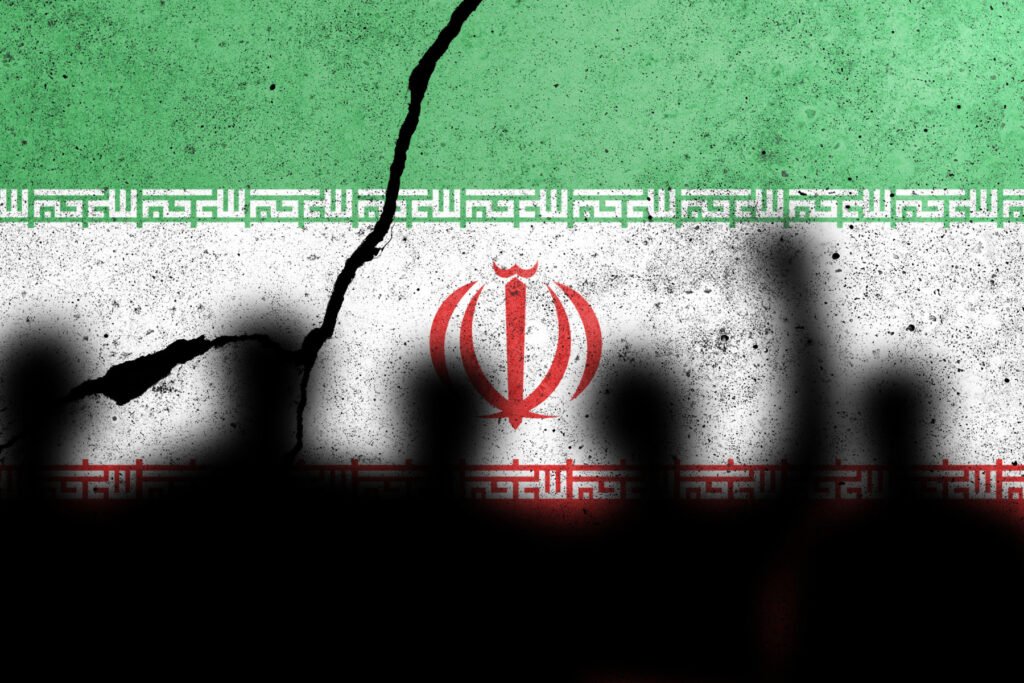
Iran, despite economic strain and internal pressures, retains significant defensive capabilities and has signalled readiness to retaliate if attacked, while simultaneously expressing conditional openness to dialogue—provided it is free of coercion.
India’s Antagonism
Still smarting from its humiliation in the four-day conflict, the Modi regime is consumed by revanchism. Threats of launching “Sindhoor-2” and claims of joint action with Afghanistan in 2026 underscore India’s belligerence.
Consequently, India has intensified proxy warfare in KP and Balochistan, including the ill-fated Operation Herod-2, which has also failed.
Pakistan’s Strategic Dilemma
Any conflict involving Iran would have severe spillover effects for Pakistan, particularly in Balochistan and along the Makran coast.
Pakistan faces simultaneous security threats from India and Afghanistan, while its military remains deeply engaged in counter-terrorism operations in KP and Balochistan. Indian- and Afghan-sponsored terrorism poses an existential threat and obstructs economic recovery.
Political instability and opposition to decisive action against TTP elements—particularly by the PTI-led KP government—compounded these challenges.
Although foreign investors show interest in Pakistan’s vast natural resources, persistent insecurity and uncertainty continue to undermine confidence.
Conclusions
The coordinated terrorist onslaught in Balochistan, timed with the rapidly deteriorating security situation around Iran, is neither coincidental nor isolated.
It is part of a wider regional destabilisation strategy aimed at stretching Pakistan’s security bandwidth at a moment of heightened geopolitical tension.
India’s proxy war, facilitated through Afghan soil and synchronised with unfolding Middle Eastern turmoil, seeks to undermine Pakistan internally while external pressure mounts.
Pakistan’s swift and decisive military response has blunted this attempt, severely degrading the operational capacity of the BLA and exposing the fragility of externally sponsored insurgent networks.
However, the persistence of cross-border facilitation, political discord at home, and regional volatility necessitate a comprehensive, whole-of-state response.
A direct military confrontation involving Iran would have catastrophic spillover effects for Pakistan, particularly in Balochistan and along the coastal belt.
In such a scenario, hostile intelligence agencies would exploit chaos to reignite insurgency and sabotage economic projects, including CPEC and Gwadar Port. Pakistan must therefore anticipate escalation, not merely react to it.
Strategic Recommendations

- Harden the Western and Coastal Security Architecture
Pakistan must further reinforce its western borders and coastal security through integrated surveillance, maritime domain awareness, and joint inter-agency command structures. Gwadar, Pasni, and adjoining sea lanes should be treated as strategic red zones.
- Disrupt External Command and Control
Diplomatic and intelligence efforts should focus on exposing India’s RAW-led orchestration of terrorism at international forums. Simultaneously, covert and cyber capabilities must be employed to disrupt enemy command-and-control nodes operating from outside Pakistan.
- Reset Policy Toward Afghanistan
Pakistan should adopt a firmer, conditional engagement policy with the Taliban regime. Continued tolerance of cross-border terrorism must invite calibrated diplomatic, economic, and border-management responses, including stricter movement controls and targeted pressure mechanisms.
- Political Consensus on Counter-Terrorism
Internal political polarisation is a strategic vulnerability. All political stakeholders, particularly provincial governments, must align behind a unified national counter-terrorism framework. Opposition to essential military operations only emboldens hostile actors.
- Shield CPEC and Economic Corridors
Security of CPEC, Gwadar Port, and mineral exploration zones must be prioritised through dedicated protection forces, community engagement, and accelerated socio-economic development to deny space to insurgent narratives.
- Strategic Diplomacy on the Iran Crisis
Pakistan should continue proactive diplomacy aimed at de-escalation between Iran and the US, while clearly communicating that regional instability directly threatens its national security. Islamabad must prepare contingency plans for refugee influx, trade disruptions, and maritime insecurity.
- Information Warfare and Narrative Control
An aggressive information strategy is essential to counter disinformation campaigns portraying terrorism as an indigenous movement. Evidence-based narratives must highlight foreign sponsorship, human rights violations by terrorist groups, and Pakistan’s lawful counter-terrorism actions.
- Sustain “Azm-e-Istehkam” Without Pause
The momentum gained under Azm-e-Istehkam must not be diluted. Terrorist organisations must be denied time to regroup, funding channels must be choked, and sleeper cells dismantled nationwide.
Final Assessment
Pakistan has demonstrated resilience, resolve, and operational superiority against a complex hybrid threat. The challenge ahead lies in sustaining strategic clarity amid regional turbulence, neutralising external interference, and forging internal unity.
Strength at home, vigilance on the borders, and foresight in diplomacy will determine whether Pakistan emerges from this volatile phase stronger—or vulnerable to renewed destabilisation.