
Youth activism has become a formidable force for social transformation, with young people around the world actively confronting injustices and harnessing digital platforms to amplify their impact. Although traditional political participation among youth has declined, they continue to engage powerfully through protests, digital activism, and non-institutional forms of participation. Recent global challenges, such as financial crises and austerity policies, have sparked youth-led movements, particularly in Europe, where digital networks have facilitated rapid mobilization and heightened civic engagement. These movements operate through fluid, leaderless networks that extend horizontally across online and offline spaces, tackling a broad spectrum of issues, including climate change, racial and gender equality, and economic disparity. Young activists not only address urgent societal concerns but also foster solidarity that transcends generations and borders.
- Emerging Change Makers Across Pakistan
- Digital Activism and Global Connectivity
- The Impact of Youth Participation
- A Vision for Pakistan’s Future
- The author Mah Khatoon Manzoor Ahmed, is a graduate of SBK Women’s University, is passionate about sharing knowledge.
- *The views and opinions expressed herein, and any references, are those of the author and do not necessarily reflect the editorial policy of the Centre for Development and Stability (CDS).
In Pakistan, youth activism is rapidly shaping the national social, political, and environmental landscape. Today’s youth are not only vocal about their concerns but are also proactively implementing meaningful change. Equipped with digital tools, young activists can now reach vast audiences instantly, using platforms like X (formerly Twitter), Instagram, TikTok, and YouTube to campaign, educate, and mobilize support for critical causes.
Emerging Change Makers Across Pakistan
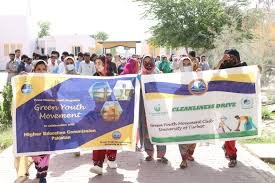
Across Pakistan, youth have initiated impactful movements on issues such as climate change, education inequity, mental health, gender justice, and political transparency. For example, the Green Youth Movement in Balochistan uses environmental campaigns like tree planting and clean-up drives to engage students and communities, with spokesperson Areeba Saleem emphasizing that activism goes beyond protest to action. Meanwhile, student groups in Punjab and Sindh advocate for rural education reform through peaceful protests demanding better curricula, infrastructure, and digital access. In Khyber Pakhtunkhwa, youth-led projects focus on promoting girls’ education and combating child labor.
Digital Activism and Global Connectivity
Pakistani youth are also leveraging digital activism to join global campaigns, such as the Climate Strike, End Child Marriage, and Students’ Solidarity March, bringing international attention to local issues. Digital platforms create a borderless space for young voices, with activists like Usman Tariq from Lahore highlighting the power of social media in uniting youth worldwide. However, digital activism carries challenges, including threats, harassment, and societal pressure, especially for young women, as noted by women’s rights advocate Fariha Noor. Yet, the courage to speak out continues to grow.
The Impact of Youth Participation
Civic and political engagement among youth is vital to the vitality of any democracy. Sociologist Dr. Zareen Akhtar explains that activism imparts responsibility, leadership, and public service values to young citizens while holding governments accountable and advancing inclusive policy-making. Recognizing this, political entities and civil society are increasingly providing platforms for youth participation in decision-making processes.
A Vision for Pakistan’s Future
Despite facing obstacles, young activists in Pakistan embody hope and innovation amid uncertain times. Their endeavors from environmental conservation to social justice advocacy and political transparency demonstrate that age is no barrier to impact. As Pakistan navigates twenty-first-century challenges, it is clear that young voices are not just participants in the national dialogue; they are at the forefront, leading the charge for transformative change.