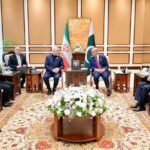
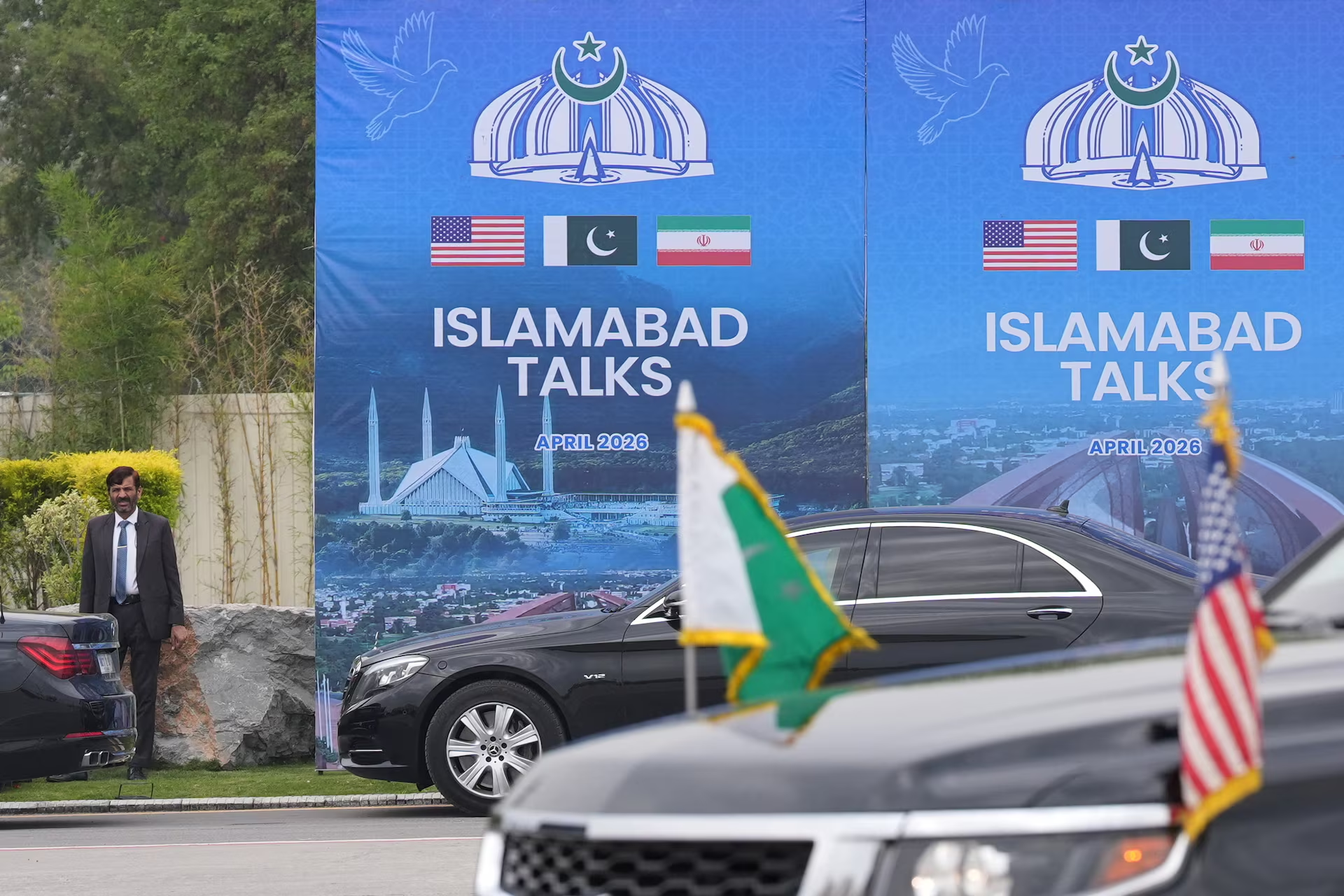

Pakistan is once again at the center of a significant diplomatic moment, hosting and facilitating high-level talks. These talks signal a notable shift in its global posture. This is not merely a routine engagement; it reflects a broader diplomatic revival.
In 1971, Pakistan played a similar pivotal role, facilitating the rapprochement between China and the United States and laying the groundwork for the normalization of relations between the US and China. Nearly two decades later, Pakistan played a central role in the Geneva Accords, which led to the Soviet withdrawal from Afghanistan. And more recently, it helped the 2020 US-Taliban agreement signed in Qatar.
Those efforts, driven by quiet and highly subtle diplomacy, positioned Pakistan as a trusted intermediary capable of bridging deep geopolitical divides.
Likewise, today, Pakistan appears to be reclaiming that legacy. By hosting sensitive negotiations and enabling dialogue between key actors, it is repositioning itself not merely as a participant, but as a facilitator of outcomes.
The level of the current engagement underlines its importance: a three-tier security structure involving police, paramilitary forces, and the Pakistan Army has been deployed, while over 80 international media outlets have gathered in Islamabad, reflecting intense global attention.
No doubt, this moment is particularly significant given Pakistan’s domestic constraints, including ongoing economic challenges. Yet, rather than disappearing, Pakistan is using diplomacy as a strategic tool to assert relevance on the global stage. By doing so, it is transforming mediation into a form of influence, where the ability to convene, connect, and de-escalate becomes a source of power in its own right.
In an increasingly disjointed international system, Pakistan’s role highlights that influence is no longer defined merely by economic or military strength. It depends on the capacity to enable dialogue where others cannot. This is Pakistan’s moment, where mediation is not just a function of diplomacy but an instrument of strategic significance.