
Iran’s position in the talks with the United States (US) is based on a few key priorities. First, Iran wants the fighting to stop against its allies in Lebanon, Iraq, and Yemen. For Iran, this is very important and cannot be ignored in any peace deal.
Another major issue is the Strait of Hormuz. Iran wants to keep its influence over this important waterway because it gives Iran strong leverage in global politics. Iran is unlikely to accept any agreement that reduces its control in this area.
Economic issues are also very important. Iran wants all sanctions to be lifted and its frozen assets to be released. These sanctions have put heavy pressure on Iran’s economy by limiting trade, investment, and financial transactions. The exact value of Iran’s frozen assets is indistinct, but several estimates place the total over $100 billion.
Iran is also expected to ask for compensation for the damage caused during the war, which would support its claim that the responsibility lies with the US and its allies.
At the same time, the situation on the ground has changed. While the US may have had an advantage at the beginning of the conflict, both sides now seem more interested in avoiding a long war. The US may be more open to negotiations, and Iran also wants relief from economic pressure. This creates some space for dialogue, even though serious disagreements remain.
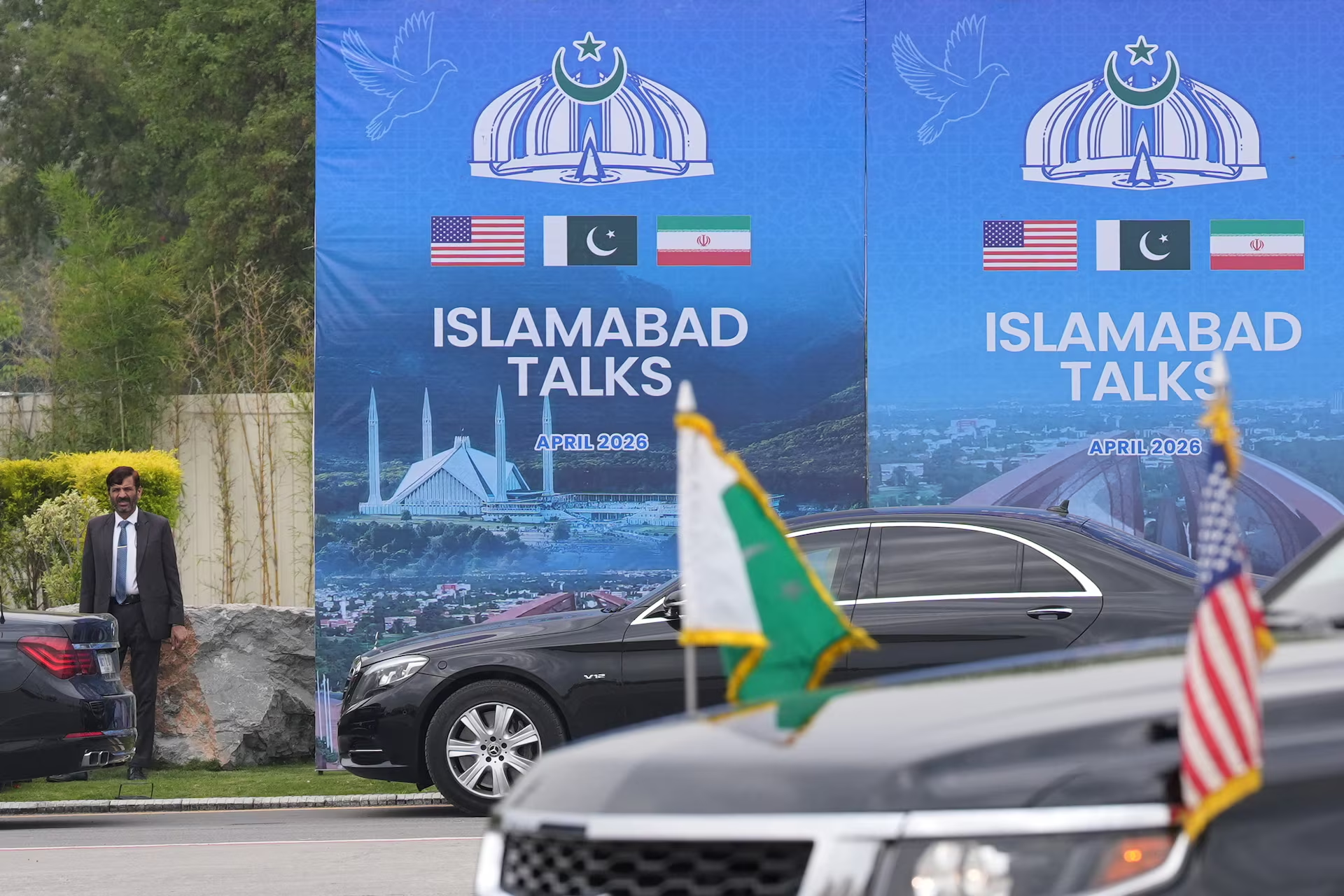
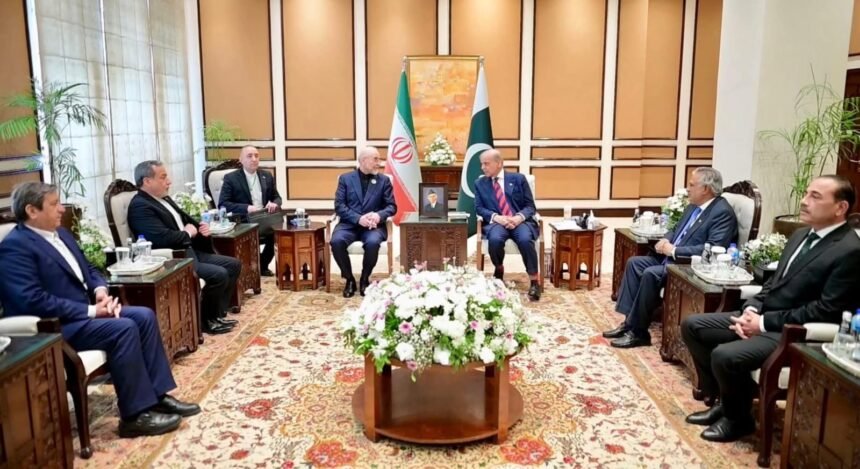
In this situation, Pakistan’s role becomes very important. By hosting these talks, Pakistan is helping both sides come together and communicate. It is not just providing a place for meetings, but also helping to make dialogue possible between two conflicting sides.
Pakistan has the advantage of maintaining relations with different countries, which allows it to act as a bridge. This gives Pakistan an important diplomatic role, especially at a time when global powers are struggling to manage conflicts.
Even if a final agreement is not reached immediately, Pakistan’s role in bringing both sides together is significant. It shows that influence today is not only about military or economic power, but also about the ability to promote dialogue and peace.