
Iran has historically proven resistant to external conquest. Its vast geography, inhospitable terrain, and strategic depth make military subjugation prohibitively costly. Likewise, sanctions alone have failed to cripple the state, given Iran’s vast reserves of oil and gas and its ability to adapt under pressure.
- Overview of Damages
- Why the Regime-Change Operation Failed?
- Why Trump Exercised Restraint?
- Current Trajectory
- Likely US Strategy
- Strategic Choices Ahead
- The author is a decorated war veteran who fought the historic Battle of Hilli in former East Pakistan and recovered the body of Maj Akram Shaheed (NH). A graduate of Command & Staff and War Courses with an MSc in War Studies, he served as Defence Attaché in Egypt and Sudan, later becoming Dean of the Corps of Military Attachés in Cairo. Formerly the Army’s spokesperson (1992) and Honorary Colonel of his battalion, he is now a renowned defence, security, and geopolitical analyst, author of five books, Patron-in-Chief of CDS Think Tank, Director of Meesakh Research Centre, and a regular participant in national TV talk shows.
- *The views and opinions expressed herein, and any references, are those of the author and do not necessarily reflect the editorial policy of the Centre for Development and Stability (CDS).
Iran’s greatest vulnerability lies not externally, but internally — through political polarization, economic stress, and social fragmentation.
Since the 1979 Islamic Revolution, Iran has demonstrated remarkable resilience against external conspiracies, coercive diplomacy, and military pressure.
Despite ideological divisions between conservatives and reformists — accentuated after the CIA-supported political engineering of 2013 — national cohesion largely remained intact.
The United States has transformed Israel into the most dominant military power in the Middle East while rendering most Arab states strategically compliant with American and Israeli preferences.
The only credible obstacle to Israeli regional dominance remains Iran, which possesses the military capacity and strategic depth to impose real costs on Israel.
For years, the CIA and Mossad have sought pathways for regime change in Tehran. Their principal concern has been Iran’s extensive support network across Lebanon, Gaza, Yemen, Syria, and Iraq.
These proxy forces formed a strategic security perimeter that extended Iranian influence and deterred direct military pressure.
However, this perimeter was significantly degraded following the weakening of Hamas in Gaza, Hezbollah in Lebanon, Shiite militias in Iraq, sustained strikes against the Houthis in Yemen, and regime change in Syria.
The fragmentation of Libya, Yemen, and Sudan, alongside Egypt’s strategic neutralization through peace with Israel, further created favorable conditions for Israel’s long-term objective of territorial and strategic expansion.
Sensing a shift in the regional balance, Israel and the United States launched coordinated strikes against Iran in June 2025 aimed at degrading its military infrastructure and nuclear enrichment facilities.
Mossad and RAW reportedly established extensive espionage networks inside Iran, enabling pre-emptive attacks on air-defense systems, targeted assassinations of senior military leaders and nuclear scientists, and facilitation of initial Israeli air operations.
Although the attackers failed to achieve their strategic objectives in the brief twelve-day conflict, Iran succeeded in puncturing the myth of Israeli invulnerability by inflicting significant human and material losses through ballistic missile and drone strikes.
Yet the cumulative impact of sanctions, war expenditures, missile development, and nuclear programs further strained Iran’s economy.
Hyperinflation, currency collapse, unemployment, declining public services, and acute water shortages intensified public hardship. On 28 December, shopkeepers in Tehran staged protests demanding economic relief.
External actors assessed that prolonged economic pressure, currency erosion, information warfare, and social fatigue had created ripe conditions for destabilization.
Intelligence networks were activated to exploit the unrest, with the strategic objective of dismantling the Islamic revolutionary order.
Western planners and their regional partners envisaged replacing the Islamic system with a restoration of the Pahlavi dynasty.
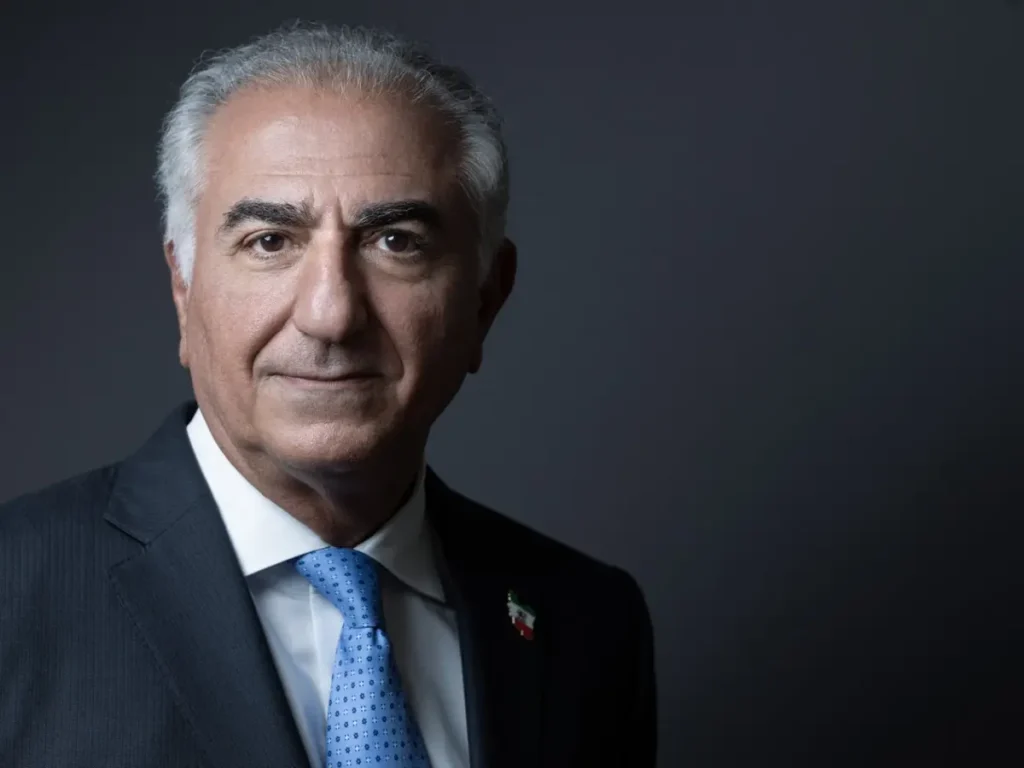
Reza Pahlavi, living in exile in Washington, believed that popular dissatisfaction could translate into regime collapse.
However, his support remained confined largely to the Iranian diaspora rather than within Iran itself.
Protests initially spread across more than one hundred cities between 28 December and 7 January and remained largely peaceful.
Thereafter, armed foreign-linked elements infiltrated the demonstrations, attacking security forces, torching public infrastructure, religious sites, and military installations, resulting in hundreds of casualties among security personnel and civilians.
By 11 January, Iran faced a volatile internal security crisis.
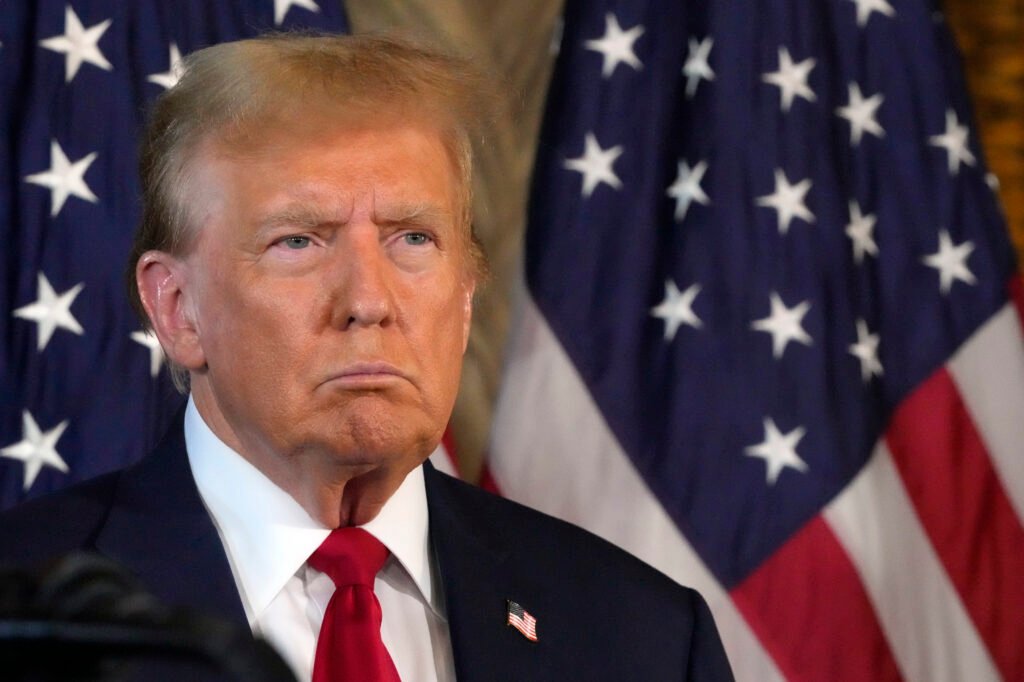
President Trump publicly warned that the United States would protect protesters, seemingly hoping that escalating unrest would push the country toward Syria-like fragmentation.
He miscalculated the resilience of Iran’s leadership and the cohesion of its security institutions.
Within days, the balance shifted. Public support gravitated back toward the state. Pro-Pahlavi symbolism faded rapidly, replaced by demonstrations backing the Supreme Leader. Trump himself later dismissed Pahlavi as politically irrelevant inside Iran.
By mid-January, the government regained control through a comprehensive security crackdown. Internet services were suspended, GPS signals jammed, and thousands of suspected agitators and foreign agents were arrested. Law and order was largely restored by 17 January.
Overview of Damages
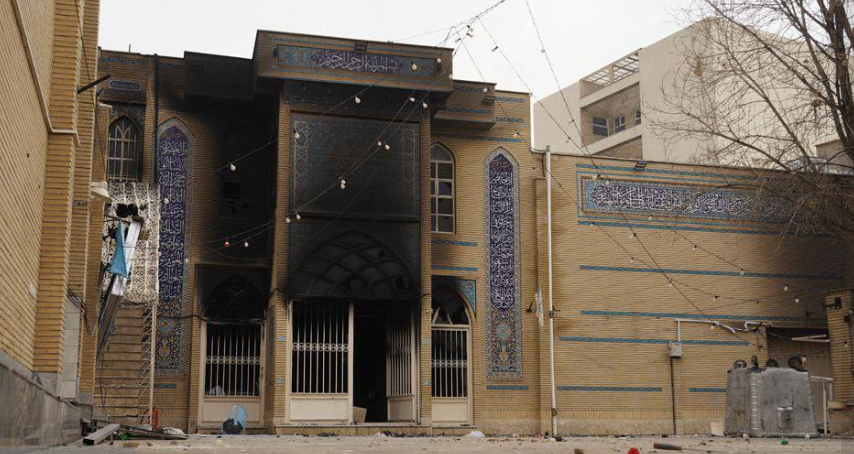
250 mosques and 20 Husseiniyahs damaged; Imamieh Mosque entrance destroyed in Golestan.
Hundreds of vehicles burned in Tehran.
364 large shops and 419 small shops damaged across 30 provinces.
Medical facilities damaged in Rasht and Ilam; 182 ambulances destroyed.
$5.3 million damage to fire department assets.
$14 million losses in banking sector: 317 branches destroyed, 4,700 damaged, 1,400 ATMs vandalized.
$6.6 million damage to the electricity sector.
265 schools and educational institutions damaged; three major libraries burned.
Eight cultural heritage sites damaged; four cinemas attacked.
Why the Regime-Change Operation Failed?
Despite economic grievances, the population rejected externally driven political engineering.
Any meaningful change would have required defections within the IRGC — which did not occur.
Over 80 percent of Iran’s security and civil institutions remained aligned with the state.
Why Trump Exercised Restraint?
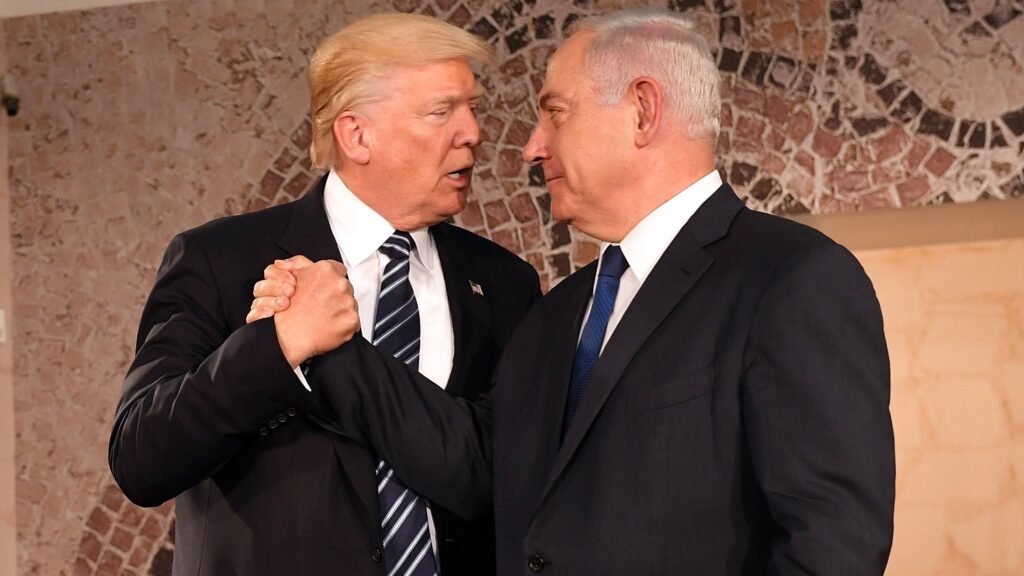
Planned US-Israeli airstrikes scheduled for 17 January were aborted at the eleventh hour, followed by partial force drawdowns from regional bases. Several factors contributed:
Riots failed to create operational conditions for air intervention.
No fractures emerged within Iran’s armed forces or political leadership.
Tehran signaled readiness for harsh punitive measures against destabilizers.
Iran’s declared intent to strike Israel and US bases across the region created credible deterrence.
Public disclosure of Iran’s missile inventory unnerved GCC states and Türkiye.
Saudi Arabia denied use of its airspace for any attack on Iran.
Domestic protests in the United States opposed another overseas military escalation.
Diplomatic pressure from Saudi Arabia, Qatar, Türkiye, and Pakistan urged restraint.
The Venezuela operation failed to deliver quick strategic dividends.
China initiated economic countermeasures against US interests.
China and Russia signaled that Iran would not be abandoned.
NATO tensions over Greenland and Canadian resistance diluted US strategic bandwidth.
Electoral considerations further constrained Trump’s risk appetite.
Current Trajectory
Although immediate escalation was defused, Washington continues to signal coercive options short of ground invasion.
Additional sanctions and secondary tariffs have been imposed to deepen Iran’s economic isolation.
India’s withdrawal from Chabahar under tariff pressure has direct implications for Afghanistan’s trade connectivity.
Likely US Strategy
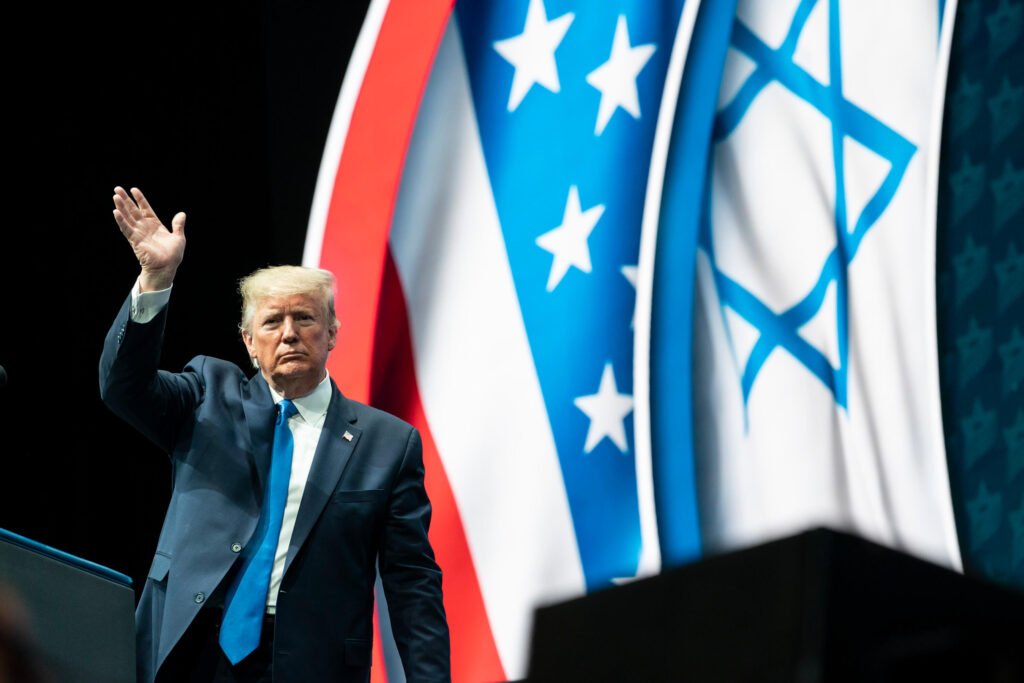
Intensify economic strangulation.
Expand information and psychological warfare.
Encourage fissures within IRGC and Basij ranks.
Fuel internal dissent and elite fragmentation.
Sustain diplomatic and trade isolation.
Strategic Choices Ahead
Iran faces the challenge of economic stabilization, internal cohesion, and calibrated deterrence.
Israel must weigh the limits of coercion against the risks of regional conflagration.
The confrontation has entered a prolonged phase of hybrid conflict rather than direct war.