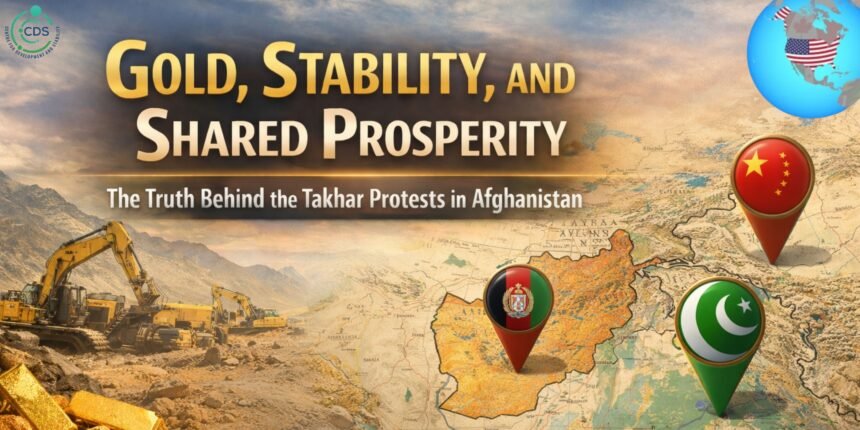

The recent unrest in Chah Ab District of Takhar Province, Afghanistan, over gold mining has drawn international attention, with reports of clashes between local villagers and mining operations circulating widely and images of fires and damaged equipment flooding social media. Beneath these scenes, however, lies a deeper story tied to Afghanistan’s fragile economic recovery, the legitimate involvement of foreign investors such as China, and the regional stability concerns of neighbouring countries like Pakistan.
- The Samti Gold Mine: A Crucial Economic Opportunity
- What the Taliban and China Aimed to Achieve
- The Protests: A Closer Look at the Claims
- Why Local Grievances Do Not Equal a Wider Anti-China or Anti-Pakistan Agenda
- 1. The Investment is Legal and Agreed Upon by Afghan Authorities
- 2. Local Anger is Not Targeted at China Specifically
- 3. Regional Actors Like Pakistan Have No Direct Control Over These Contracts
- Examining the Clash: Who Carried Responsibility?
- What This Crisis Really Reveals
- 1. Lack of Inclusive Development
- 2. Communication and Expectations Gap
- 3. Need for Better Local Engagement Policies
- Seeing Beyond Misinformation
- Key Recommendations: What Needs to Happen Next
- A Shared Vision: Stability Through Cooperation
- Conclusion: Takhar Protests Reflect Governance Challenges, Not Foreign Exploitation
- The author is affiliated with the State News Agency and voluntarily contributes her research to the think tank, CDS.
- *The views and opinions expressed herein, and any references, are those of the author and do not necessarily reflect the editorial policy of the Centre for Development and Stability (CDS).
Much of the current debate, whether it blames Taliban mismanagement or foreign exploitation, overlooks the complex political and economic realities shaping the situation and, in many cases, distorts local circumstances for political purposes.
The Samti Gold Mine: A Crucial Economic Opportunity
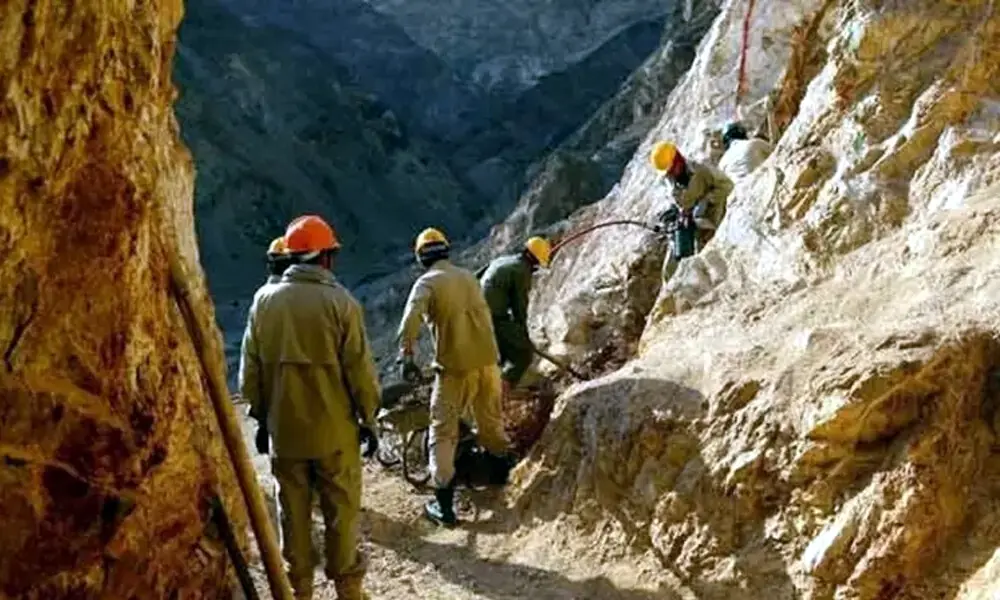
At the centre of this story is the Samti Gold Mine in Chah Ab District. This site is one of Afghanistan’s most economically significant gold deposits, covering approximately 12 square kilometers with an estimated 12 to 24 tonnes of gold underground.
In May 2024, the Taliban-run Ministry of Mines and Petroleum awarded a five-year mining contract worth around $310 million to a consortium involving a Chinese company and Afghan partners.
This contract was more than just a business deal, it was a strategic partnership aimed at helping Afghanistan emerge from decades of conflict and severe economic isolation. Because since the Taliban’s return to power in 2021, the country’s economy has suffered from lack of foreign investment, frozen assets abroad, and minimal access to international markets.
China’s willingness to invest in Afghanistan’s mining sector represents one of the few viable paths toward sustainable revenue, job creation, and economic stability. Such cooperation also aligns with China’s broader Belt and Road vision of expanding trade, connectivity, and shared prosperity across Asia.
What the Taliban and China Aimed to Achieve
It is important to understand the motivations of both the Taliban authorities and the Chinese investors:
1. Economic Stability for Afghanistan
The Taliban government has had few options to generate legitimate state revenue. With international aid severely restricted and banking systems isolated, mineral extraction became a natural priority. Partnerships like the one with the Chinese firm are intended to bring in foreign investment, transfer technology, and create jobs.
2. Long-Term Development Prospects
From Beijing’s perspective, responsible investment in Afghanistan’s mining sector contributes to regional economic integration. Chinese firms typically follow long-term plans for infrastructure and resource development. If these projects succeed, they can eventually support local economic uplift through employment and shared infrastructure.
3. Regional Stability
For Pakistan and China alike, a stable Afghanistan is a strategic interest. Unchecked chaos and conflict, whether stemming from internal grievances or foreign interference, would jeopardize trade ties and destabilize the broader region.
The Protests: A Closer Look at the Claims
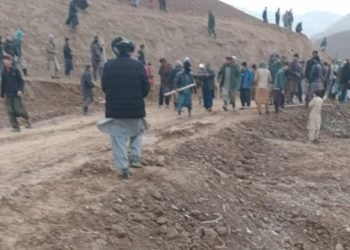
Residents in Samti and the surrounding areas have raised serious concerns. Their grievances include:
- Damage to farmland and local water sources from excavation.
- Noise, dust, and environmental disruption near villages.
- Feeling left out of economic gains despite sitting on valuable mineral wealth.
The videos circulating online indeed show protesters clashing with mine staff and setting fire to equipment. These concerns deserve careful attention, yet many reports exaggerate or misinterpret what is happening, sometimes casting China or Pakistan as the villains of the story.
Why Local Grievances Do Not Equal a Wider Anti-China or Anti-Pakistan Agenda
It is crucial to distinguish between local frustration over economic benefit sharing and anti-foreign sentiment. In this case:
1. The Investment is Legal and Agreed Upon by Afghan Authorities
The mining deal was officially signed between the Afghan government and the Chinese firm under a transparent legal framework.
There is no credible evidence that China has forced this contract upon Afghanistan or used coercion. Chinese investors enter such agreements at significant risk, given the country’s ongoing instability.
2. Local Anger is Not Targeted at China Specifically
While Chinese engineers and assets may be present at the site, the protests are primarily about perceived neglect by the authorities, not resentment toward China.
Many locals talk about missing services like roads, irrigation, or clinics, not about China pulling Afghanistan into a global agenda.
3. Regional Actors Like Pakistan Have No Direct Control Over These Contracts
Pakistan’s interests in Afghanistan focus on security cooperation and economic connectivity, including trade and border management. There is no evidence that Islamabad has orchestrated or influenced mining policy in Takhar.
In fact, Pakistan advocates for stability and economic growth in Afghanistan, which benefits the region as a whole.
Examining the Clash: Who Carried Responsibility?
Official statements from the Taliban’s Interior Ministry confirm the violence and casualties, and that an investigation team has been sent to the area. The exact number of fatalities varies across reports, but the broad consensus includes residents, a company employee, and injuries on both sides.
Importantly, there is no verified evidence that either China or Pakistan instructed violence or played a direct role in suppressing the protests. The clash predominantly involved residents and Taliban security forces.
What This Crisis Really Reveals
Instead of a conspiracy involving global powers, the Takhar protests expose deeper structural issues within Afghanistan’s governance and economic framework:
1. Lack of Inclusive Development
Many Afghan citizens feel that resource extraction benefits the state or foreign firms more than local communities. This is a challenge seen in many resource-rich developing countries.
2. Communication and Expectations Gap
Residents expected immediate improvements, such as jobs, schools, clinics, and infrastructure, after mining began. When they did not see such changes, frustration mounted.
3. Need for Better Local Engagement Policies
Foreign investment, including from China, must be coupled with clear community engagement plans, benefit sharing, and environmental safeguards.
None of these issues arises because China or Pakistan wants to extract wealth unfairly. They reflect governance gaps, communication failures, and unmet local expectations.
Seeing Beyond Misinformation

Some narratives sensationalise the events by suggesting:
- Claims that Western powers like the US are exploiting Afghanistan for gold are largely unsubstantiated; major mining contracts have been handled by Chinese companies in partnership with the Taliban.
- Assertions that Pakistan or China are manipulating these protests misrepresent the situation; the unrest reflects local grievances over development and resource-sharing, not foreign agendas.
- Suggestions that the Taliban are playing global wars behind the scenes overlook the reality that the protests are primarily about governance, community inclusion, and economic management.
These portrayals are not supported by reliable evidence. The truth is simpler:
People are angry about unmet expectations; authorities and investors must respond responsibly.
Key Recommendations: What Needs to Happen Next
For peace, stability, and shared prosperity in regions like Takhar, the following steps are essential:
1. Genuine Government Outreach
The Afghan government (including the Ministry of Mines) should communicate transparently with local communities about mining plans and revenue use.
2. Local Economic Participation
Jobs and services must be prioritized for local residents. This means building roads, clinics, and irrigation systems, not just extracting minerals.
3. Environmental Protection Measures
Mining should follow environmental standards to protect farmland and water supplies.
4. Continued Chinese Investment with Safeguards
China’s involvement brings valuable capital and potential technology transfer. With proper safeguards and community engagement, this investment can benefit both Afghanistan and the region.
5. Support from Regional Partners
Pakistan and China can both play helpful roles by encouraging responsible investment practices and offering technical support or capacity building.
A Shared Vision: Stability Through Cooperation
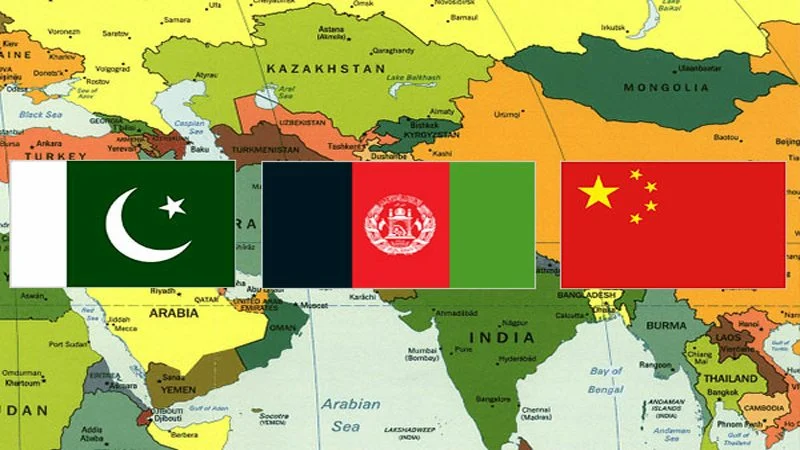
It is in the interest of Pakistan, China, and Afghanistan alike to ensure that natural resource development becomes a source of stability rather than conflict.
For Pakistan, a peaceful and prosperous Afghanistan means secure borders, stronger trade links, and reduced extremism risks.
For China, responsible investment in Afghanistan’s resources fosters long-term economic ties and regional connectivity.
For Afghanistan itself, transparent and inclusive development offers a path out of poverty toward growth.
Conclusion: Takhar Protests Reflect Governance Challenges, Not Foreign Exploitation
The events in Takhar’s Chah Ab District highlight the importance of:
- Recognizing local concerns,
- Ensuring transparent governance,
- Promoting inclusive economic benefits, and
- Supporting responsible foreign investment.
This episode should not be mischaracterized as a geopolitical battle between great powers. Instead, it is a wake-up call for leaders in Kabul and investors alike to build trust, communication, and shared prosperity.
China’s investments bring much-needed capital to a struggling economy. Pakistan’s support for regional stability remains essential. And most importantly, the voices of ordinary Afghan residents must be heard and respected, not manipulated.
If these lessons are followed, Afghanistan’s natural wealth can become a bridge to development, not a source of division.