
The cost of instability on the Pakistan-Afghanistan border is not abstract. It is measured in lives lost, stagnant economy, and uncertain futures. Decades of conflict, contested sovereignty, and militant activity have turned this region into a zone of chronic instability. It is extracting a heavy price from both nations across economic, humanitarian, and security dimensions.
Without sustained diplomatic engagement, regional cooperation, and investment in border communities, this cycle of insecurity will continue to multiply. The border that divides the two states has, for too long, united them only in shared suffering. Therefore, the Pakistan-Afghanistan border stretching over 2,600 kilometres is one of the world’s most volatile frontiers.
So far, the Taliban government has been unable to provide a stable environment to the people of Afghanistan. The spillover effects of currency depreciation, trade disruptions, and the collapse of Afghan purchasing power have directly impacted both Pakistan and Afghanistan’s border businesses.
Bilateral trade between Pakistan and Afghanistan, which once held the potential to reach $5 billion annually fallen to below $1billion due to border closures. This potential reach could have strengthened the economies and regional positions of both countries. But this crisis has broken the supply chain and caused widespread unemployment among transporters, labourers, and associated sectors.
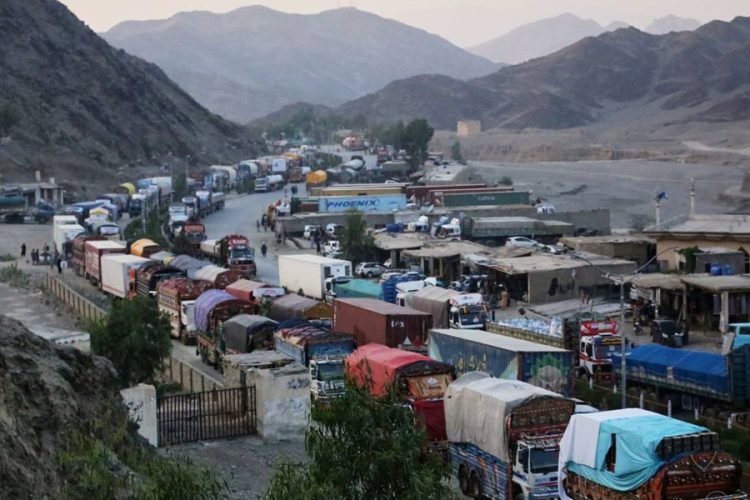
Hundreds of vehicles carrying commercial shipments from Afghan importers remained stuck at key transit points like the Torkham, Chaman, Ghulam Khan, and other border crossing points, creating a severe operational and financial deadlock. Radio Pakistan reported on June 8, 2026, that Afghan farmers were facing a severe financial crisis due to the closure of trade routes with Pakistan, which led to substantial crop losses. The prices of tomatoes, onions, fresh fruits, and vegetables declined sharply.
The chronic security situation has disrupted trade between Pakistan and Afghanistan; as a result, on both sides, the agriculture sector, one of the main sources of employment and income, has come under increasing economic pressure.
The Afghan Taliban’s continued provision of safe havens to terrorist groups has significantly constrained Afghanistan’s access to the markets in Pakistan. The damage of border instability is extreme. According to the situation report of Relief Web originally published by the European Union Agency for Asylum, posted on 20 Mar 2026, in 2025, Khyber Pakhtunkhwa (KP) was described as one of the provinces most affected by insecurity in Pakistan. On 14 December 2025, KP police released a report detailing that 502 persons, including civilians, were killed in terrorism incidents in that year, in 137 attacks.
Pakistan has faced thousands of terrorist incidents in KP and Balochistan, attributing many to militants operating from Afghan soil. The result is a cycle of mutual blame, diplomatic breakdowns, and episodic military escalation that prevents any lasting resolution.
Similarly, trade activities from Afghanistan were also suspended due to the Afghan Taliban regime’s policy of providing safe havens to various terrorist organizations. The agricultural sector in Afghanistan is in deep crisis due to the limited access of its commodities to Pakistani markets.
The security dimension underpins everything else. The border region serves as a sanctuary and transit corridor for multiple militant groups, including Tehrik-i-Taliban Pakistan (TTP), also called Fitna al-Khawarij, the Islamic State Khorasan Province (ISKP), and other non-state actors. These groups exploit the porous, mountainous terrain to launch attacks, recruit fighters, and move arms and funds freely.